Simple Tips to Easily Check the Quality of Copper Plating

Copper plating plays a vital role in enhancing both the functionality and aesthetics of various metal components. In the field of electroplating, ensuring consistent plating quality is critical for product reliability, corrosion protection, and electrical performance. This article outlines practical methods for independently evaluating the quality of copper plating, especially in industrial and manufacturing settings.
Visually Check Copper Plating Consistency
Inspect the electroplated copper layer for uniformity. High-quality plating should appear smooth, bright, and even, without any signs of patchiness, dull areas, or discoloration. Surface defects may indicate improper bath conditions or contamination during the electroplating process.
Measure Copper Coating Thickness Accurately
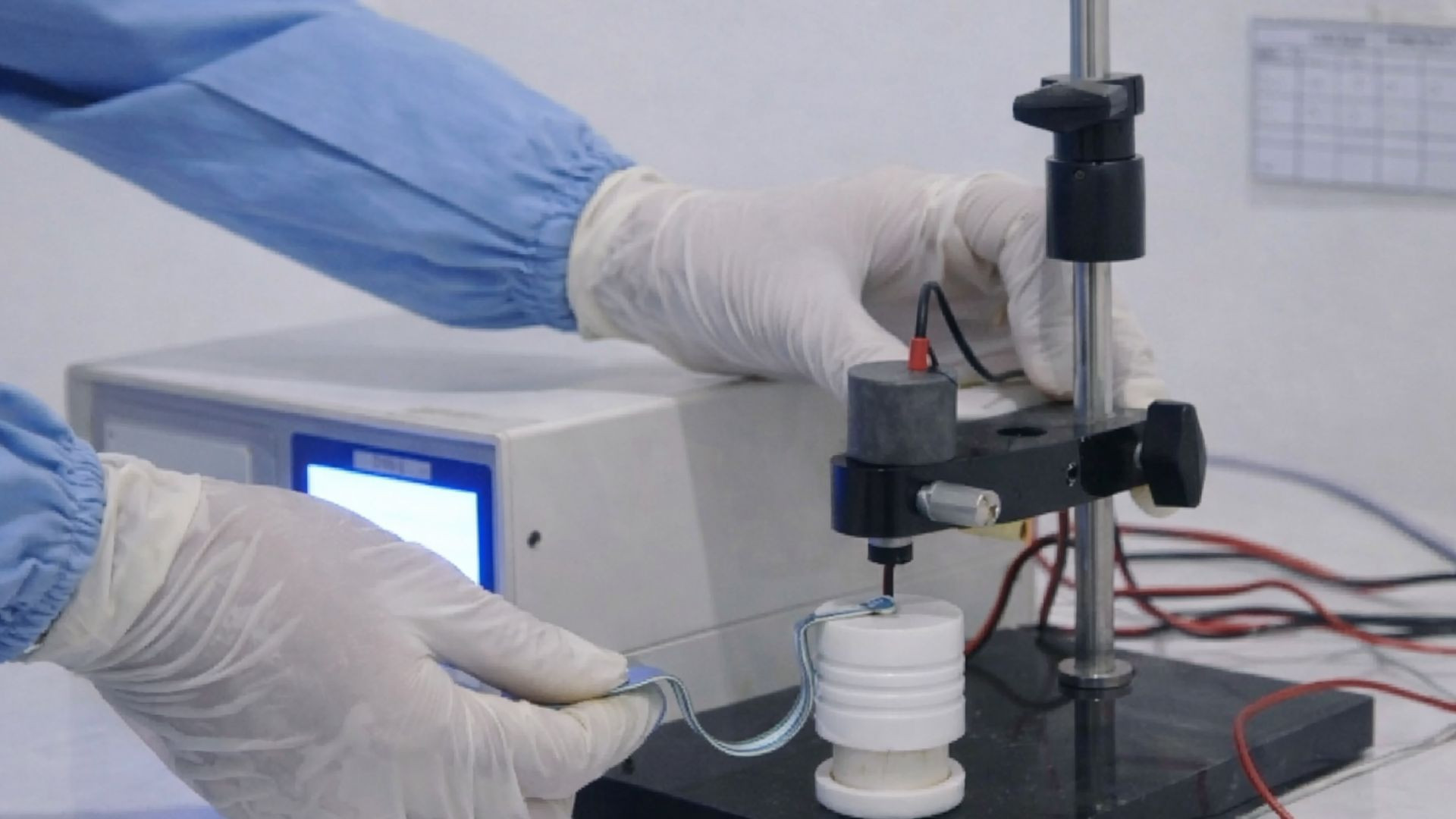
Use a thickness gauge to verify that the copper coating meets industry requirements. Thickness directly affects corrosion protection, conductivity, and mechanical strength. Regular measurement helps maintain process control across batches in industrial copper electroplating.
Perform Adhesion Testing
Adhesion quality reflects plating reliability. Lightly scratch the copper layer using a blunt tool. If flaking or peeling occurs, it suggests poor surface preparation or low plating current. Good adhesion is critical for durable copper-plated components.
Evaluate Surface Hardness
Copper plating should exhibit appropriate hardness depending on the end application. Press with a sharp object to check resistance. A too-soft surface may indicate improper bath composition or insufficient current density during electroplating.
Test for Corrosion Resistance
A key reason for copper electroplating is corrosion protection. Expose the surface to a mild salt solution or moisture. Signs of oxidation or tarnishing indicate inadequate cleaning or weak layer thickness. High-performance plating resists rust formation.
Measure Electrical Conductivity
Copper is highly conductive, making it ideal for electronics and grounding components. Use a multimeter to test for low electrical resistance. Deviations from expected conductivity may signal porosity or poor deposition in the electroplated copper layer.
Inspect Overall Finishing Quality
Final finishing determines appearance and usability. Ensure that the copper plating finish is smooth, polished, and free from scratches or pitting. Aesthetic quality is especially important in decorative or visible metal parts.
Compare to Electroplating Industry Standards
Refer to technical standards like ASTM B734 or ISO 4521 when evaluating plating quality. These standards define coating thickness, adhesion, and testing protocols for copper electroplating applications. Compliance ensures durability and safety.
By implementing these simple yet effective inspection methods, businesses and technicians can independently validate the performance of copper electroplating. Reliable plating leads to better product durability, corrosion resistance, and customer satisfaction in both industrial and commercial sectors.
References:
- NMFRCA. Cyanide Copper Plating. Retrieved from https://www.nmfrc.org/pdf/p1199l.pdf
- PubMed. Cyanide-free environment-friendly alternative to copper plating. https://pubmed.ncbi.nlm.nih.gov/33725308/
- Technic. Glance Cu 160 - Cyanide-Free Electrolytic Copper Plating Process. https://www.technic.com/sites/default/files/resources/Glance%20Cu%20160%20EN.pdf
- Hwang, J. (2019). Electroplating: Principles and Practice. Springer.
- Kauffman, J. (2018). Copper Plating: A Comprehensive Guide. Wiley.
- ASTM International. (2020). Standard Guide for Copper Plating (B733). https://www.astm.org/Standards/B733.htm
- Zhang, Y. (2020). Advances in Copper Plating Technology. Journal of Materials Science, 55(12), 5001–5015. https://doi.org/10.1007/s10853-020-04321-5
- Lee, S. (2021). Electroplating Techniques for High-Performance Applications. Materials Today, 34, 45–52. https://doi.org/10.1016/j.mattod.2021.01.005
Other Articles