Blackening in the Interior Industry Is Rising, Here’s Why

Interior design trends continue to evolve, not only in terms of shape and materials but also in surface finishing. In recent years, the use of blackening on metal components in the interior industry has become increasingly prevalent. From door handles, hinges, brackets, to decorative elements made of steel, this finish is increasingly chosen because it combines function and aesthetics.
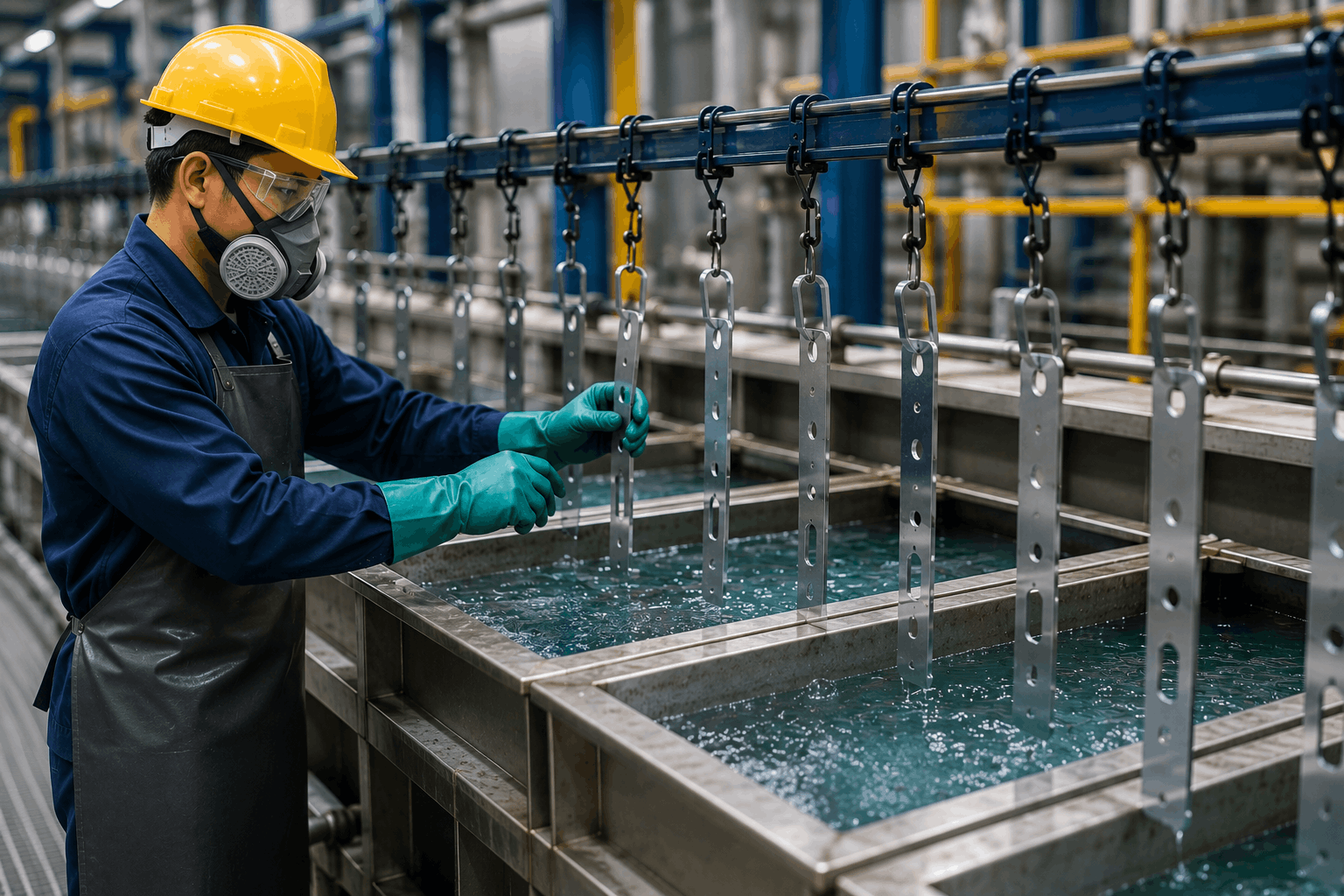
Blackening is a conversion coating process on steel surfaces that provides additional protection against oxidation. In interior applications, this process not only serves as protection but also as a visual element that supports modern, industrial, and minimalist design concepts.
Consistent Aesthetic Appearance
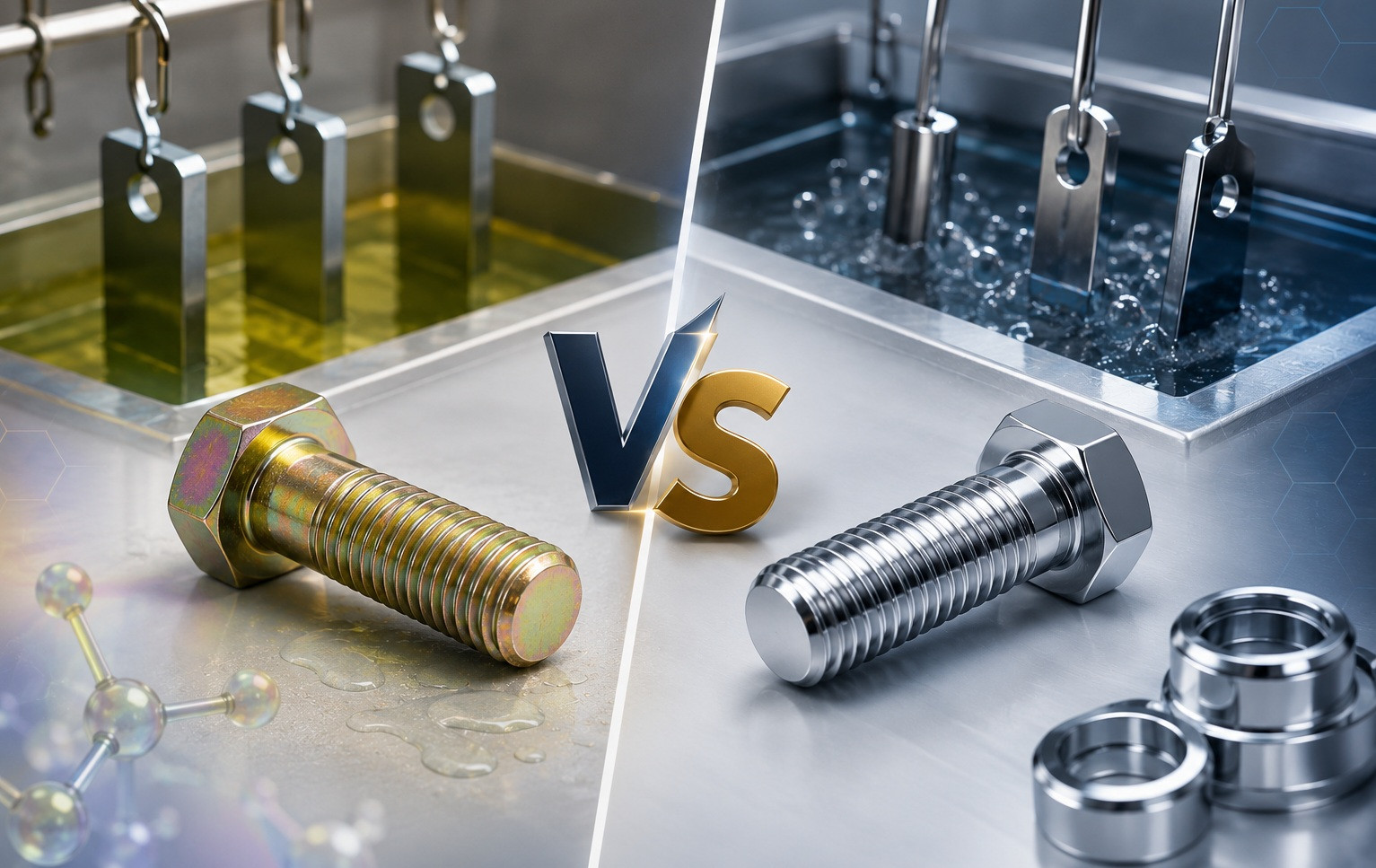
One reason blackening is becoming more popular in the interior industry is its elegant and professional appearance. Metal surfaces with blackening results give a firm and clean impression without looking excessive.
In interior projects, consistency of color and texture is important so that all components appear harmonious. Controlled blackening processes help produce uniform appearances on various types of steel components used in a single project.
Surface Protection for Long-Term Use
Beyond visual aspects, corrosion resistance remains a primary consideration. Interior components such as handles, furniture frames, or metal accessories often experience direct contact and exposure to room humidity.
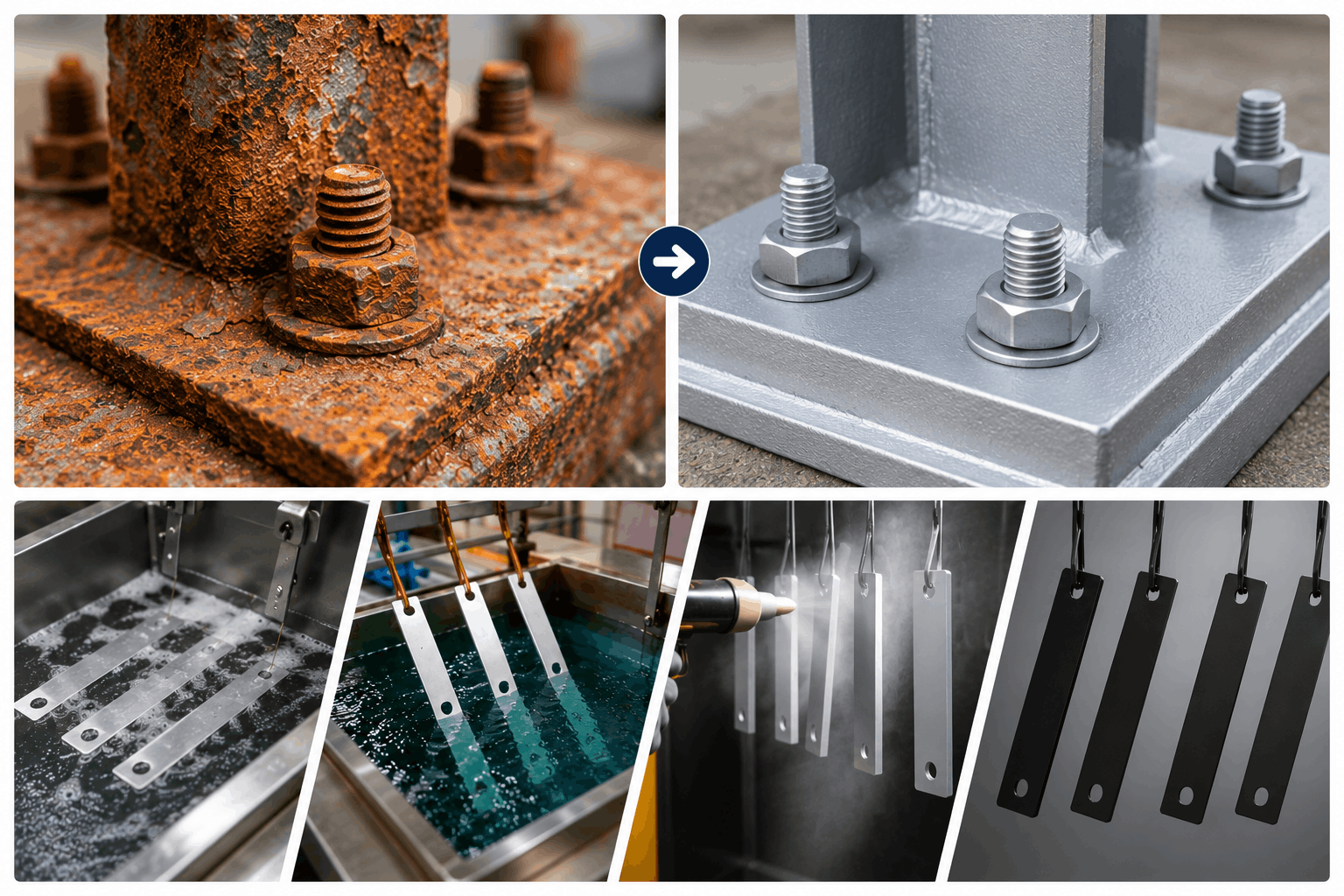
Blackening helps slow the oxidation process on steel surfaces. For needs requiring higher durability, this process can be equipped with a sealer. The addition of sealer increases protection against humidity and helps maintain a stable appearance over a longer period.
Dimensional Precision is Maintained
In the interior industry, many components are designed with precise dimensions for easy assembly and installation. One advantage of blackening is its thin coating, which does not significantly alter the original dimensions of components.
This is especially important for components like brackets or hinges that must be installed accurately. With maintained dimensional stability, the installation process becomes easier and the risk of readjustment can be minimized.
Product Consistency for Project Needs
Interior projects often require large quantities of components with uniform results. Variations in appearance between batches can affect overall visual quality. Therefore, process control is an important factor in ensuring consistent blackening results.
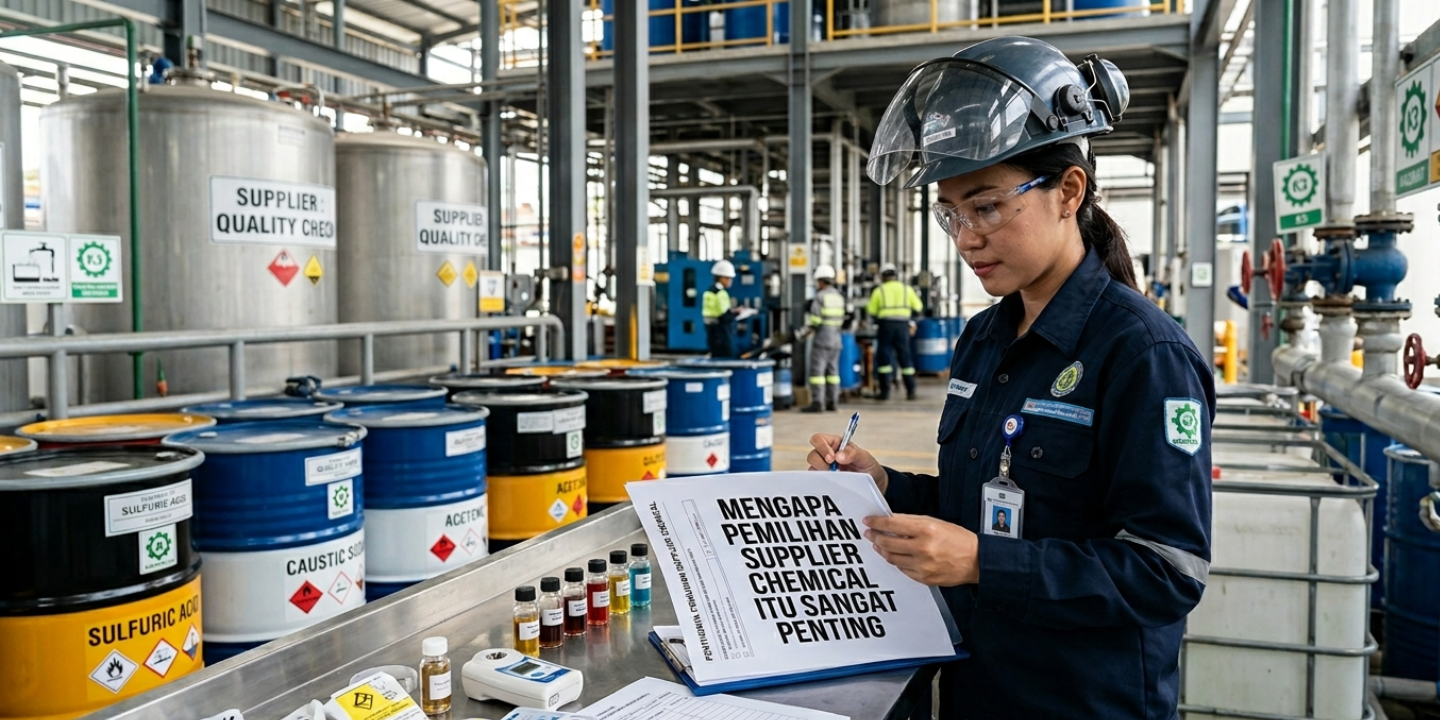
As a blackening product provider, PT Sinar Cemaramas Abadi (SCMA) presents solutions designed to meet industry needs, including the interior sector. With support from the ISO 9001:2015 quality management system, every process is carried out measurably and documented to maintain stable quality.
Facts to Consider in Interior Applications
In its application, it is important to adjust the blackening process to the environmental usage needs. For areas with higher humidity potential, the use of sealer becomes an important consideration for optimal protection.
With proper product selection and process control, blackening is not just a design trend but also a functional surface protection solution. This is what makes its use increasingly prevalent in the interior industry.
References:
- ASM International. (2020). Surface Engineering for Architectural Applications.
- Davis, J. R. (2021). Protective Coatings in Interior Metal Applications. Journal of Materials Engineering.
- ISO 9001:2015. Quality Management Systems — Requirements.
- European Federation of Corrosion. (2022). Guidelines for Corrosion Protection in Indoor Environments.
- Czichos, H., & Saito, T. (2023). Metrology and Surface Treatment in Modern Manufacturing.
Other Articles