What Is Copper Plating and Industrial Uses
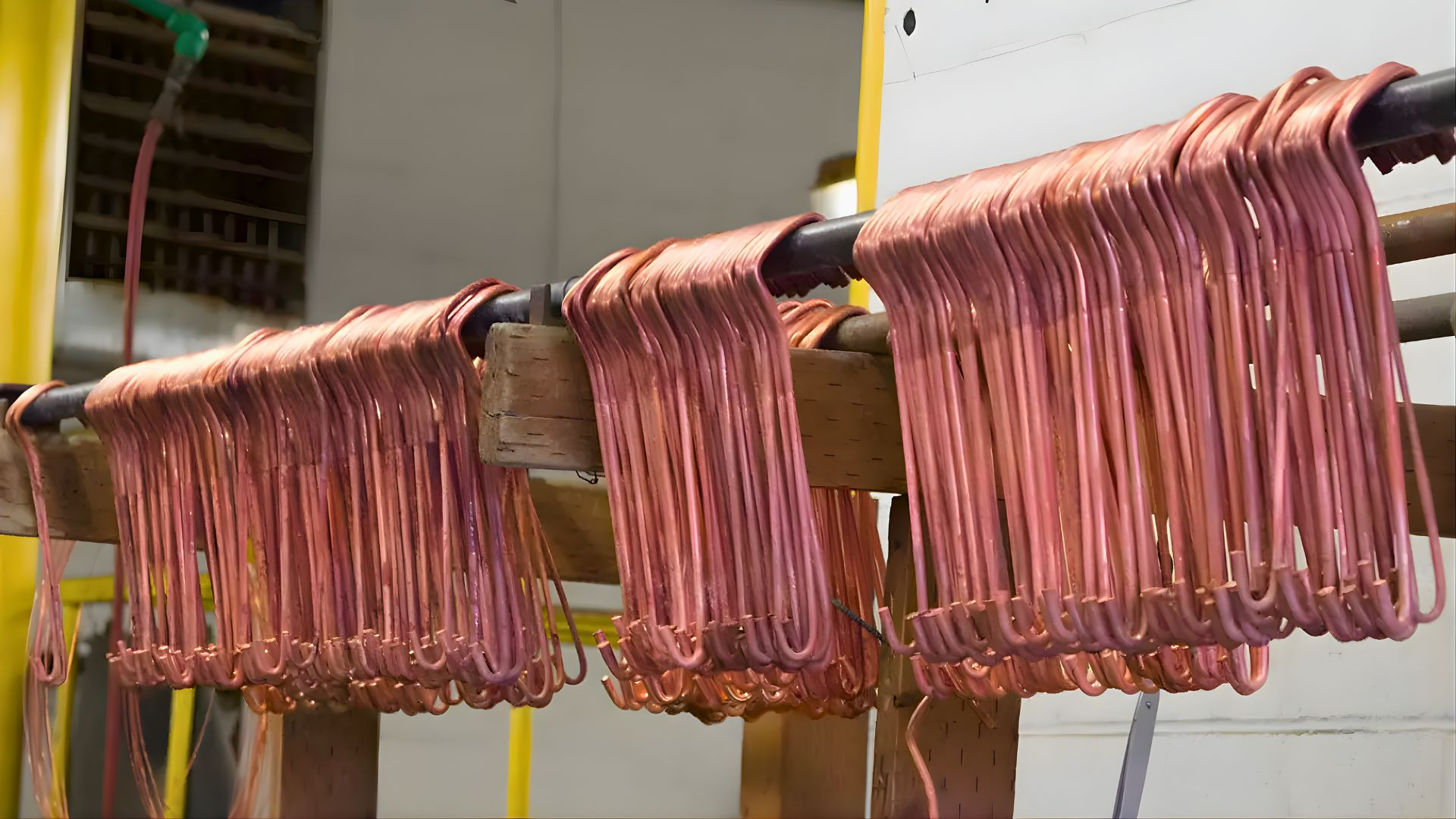
Copper plating, or the copper electroplating process, is widely used in industry because it is practical, smooth, and precise, yet there are deeper technical and functional reasons behind its continued use, which are explained in more detail below.
Practical and Stable Process
One of the main reasons copper plating is widely used is because the process is easy to implement and stable in the long term. Electric current settings and plating time can be done simply, yet still produce even and consistent copper layers. This process is suitable for repetitive production needs as it doesn't require complex technical adjustments.
Smooth and Precise Layer
Copper plating can produce smooth layers with controlled thickness, so it doesn't significantly increase the volume of the workpiece. Original dimensions remain maintained, including on components with tight tolerances. Neat surface results also make this process often chosen for components requiring precision along with professional appearance.
Reaching Details Including Threads
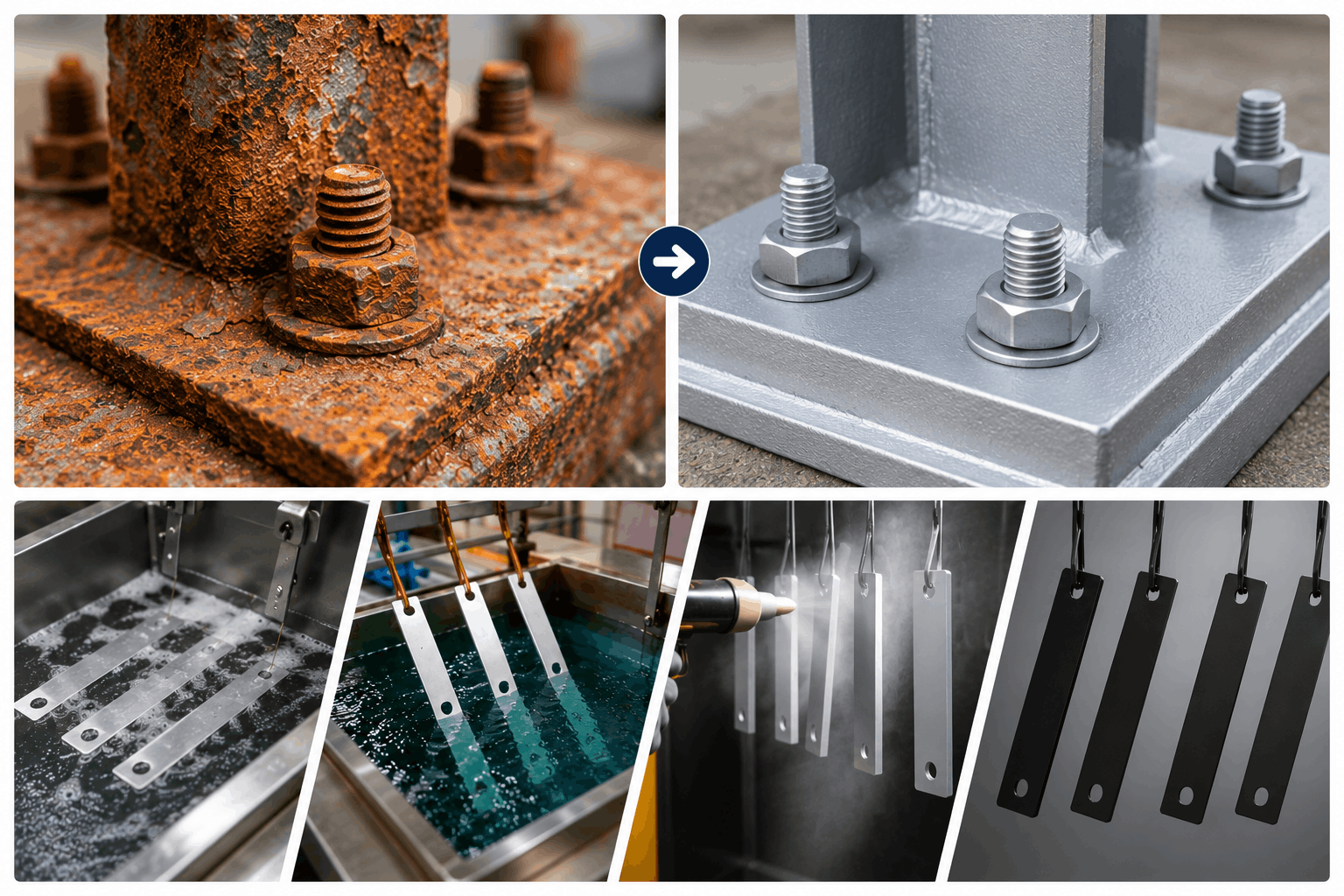
Another advantage of copper plating is its ability to coat down to details like threads, narrow corners, and complex surfaces. The copper layer naturally follows the workpiece contour, keeping threads sharp and precise after coating. Mechanical functions remain optimal, but the appearance becomes cleaner and protected.
Conductive and Corrosion Resistant
Besides visual results, copper plating also excels functionally. Copper is known as an excellent electrical conductor, thus widely used in electrical components. The copper layer also helps protect metal surfaces from corrosion by forming a stable protective layer and supporting component service life.
Automotive and Decorative
In the automotive industry, copper plating is widely applied to spare parts that require functional stability and neat appearance. Engine components, electrical parts, to automotive accessories utilize this process because the results are consistent and attractive. The warm and shiny copper color also makes copper plating popular for decorative needs.
PT Sinar Cemaramas Abadi (SCMA) provides practical and easily applicable copper plating solutions according to industrial needs. With open technical guidance and ISO 9001:2015 quality management system, SCMA ensures the plating process runs stably, producing smooth layers down to threads, conductive, corrosion resistant, and consistent for both technical and decorative needs.
References:
- Zhang, L., Wang, H. (2020). Fundamentals of Copper Plating Processes. Surface Engineering Review.
- Chen, X., Li, Y. (2021). Electrochemical Deposition Techniques for Industrial Coatings. Materials Processing Journal.
- Park, S. (2022). Conductive Base Layers in Metal Plating. Journal of Applied Electrochemistry.
- Gupta, R., et al. (2023). Process Stability in Copper Plating Applications. Industrial Coatings Science.
- Williams, S., Tan, H. (2024). Advances in Metal Plating Technology. Surface Engineering Journal.
- Rodrigues, M. (2025). Quality Control in Plating Operations. Journal of Industrial Surface Technology.
Other Articles