Copper Plating Process for Threaded Bolt Protection
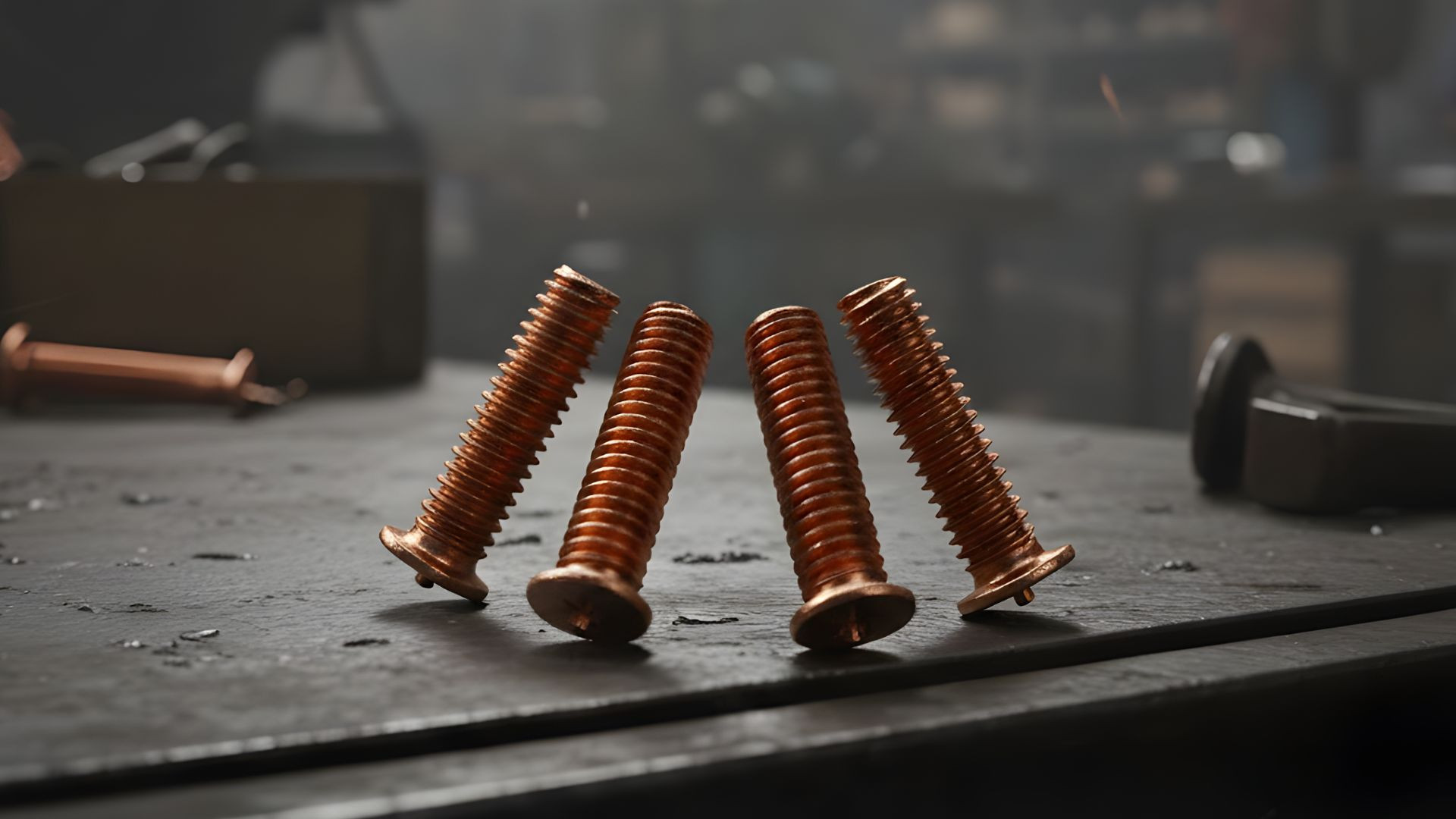
Threaded bolts are often considered simple components, yet their role is crucial in maintaining product function and stability. To protect bolts down to their thread sections, one commonly used method is copper plating. This process focuses on forming an initial layer that helps maintain bolt surface condition and ensures thread parts remain functional. Below is an explanation of the stages and role of copper plating in protecting threaded bolts.
Initial Surface Protection Layer
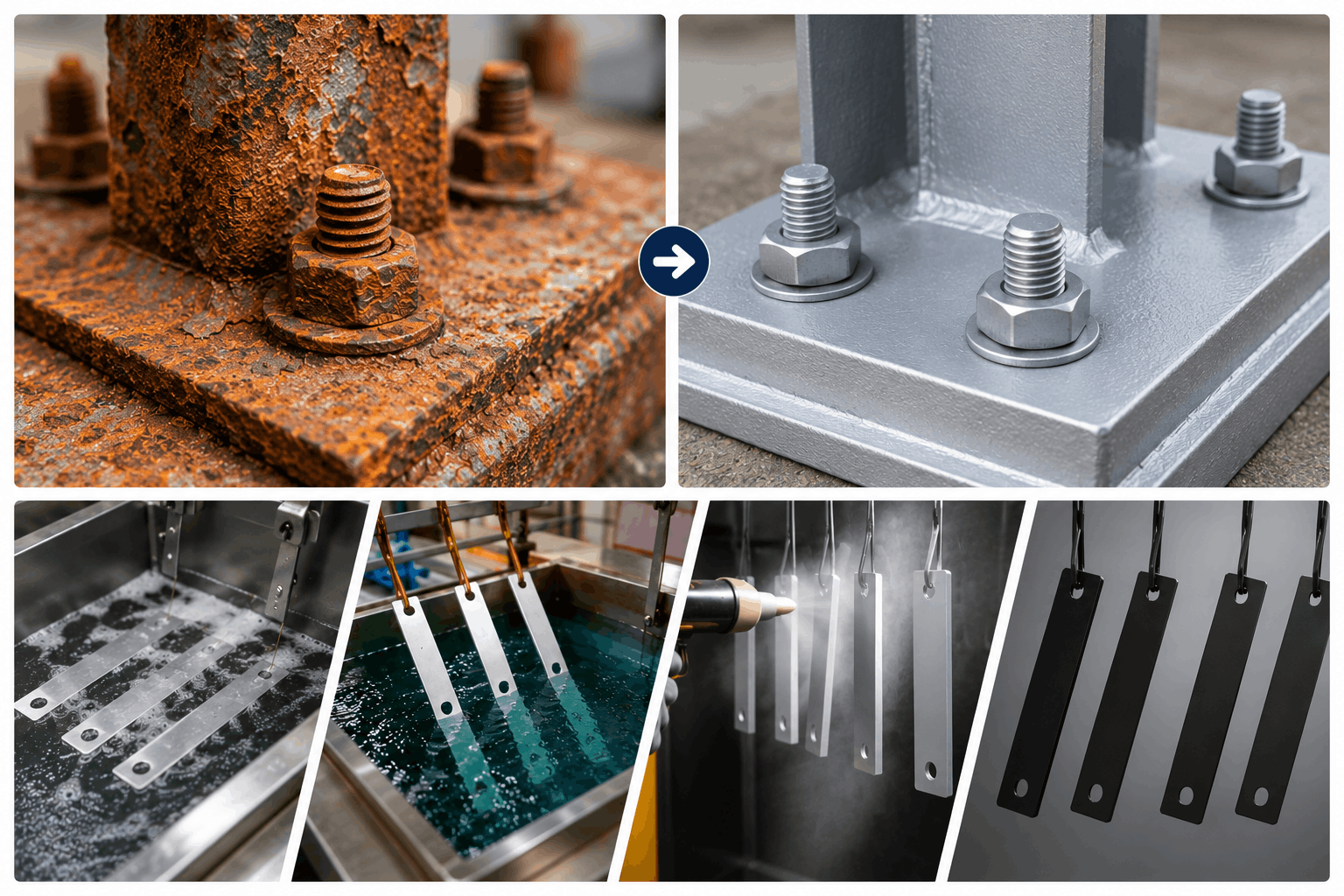
The copper plating process forms an initial layer that completely covers the bolt surface. This copper layer functions to protect the base metal from direct contact with air, moisture, and chemicals that can trigger initial surface reactions. With this initial layer, the bolt surface condition remains maintained before use or before proceeding to subsequent coating processes.
Even Coating on Thread Areas
Thread sections have more complex shapes and gaps compared to flat bolt surfaces. This condition makes the coating process on thread areas require precise settings. Through copper plating, the copper layer can reach thread gaps evenly without excessive buildup, so thread shape remains maintained and bolt mechanical functions don't experience interference.
Maintaining Bolt Dimensional Precision
Layer thickness becomes an important factor in the copper plating process on threaded bolts. Controlled processes help maintain bolt size and dimensional tolerance according to technical specifications. With maintained dimensions, bolts can be used and installed without obstacles in industrial component assembly processes, and remain compatible with their thread counterparts.
Enhancing Adhesion of Subsequent Layers
In many industrial applications, copper plating is used as a base layer before subsequent coatings like nickel or chrome. The copper layer functions as a connector between the base metal and subsequent coating. The more electrochemically active copper surface helps subsequent layers adhere better and more evenly, reducing peeling risks.
Supporting Long-Term Use
With an initial layer formed evenly and consistent coating quality, threaded bolts can be used more stably over longer periods. The copper plating process helps maintain bolt conditions during use in various industrial operational environments, so the fastening function continues to perform according to its role.
PT Sinar Cemaramas Abadi (SCMA) provides copper plating services with technical support ready for discussion. If you encounter obstacles or want to understand the threaded bolt plating process more deeply, our team is ready to help. With the ISO 9001:2015 quality management system, we are committed to helping customers understand the processes implemented and trust in the quality of results provided.
References:
- Miller, D., Thompson, R. (2020). Plating for Fasteners and Threaded Components. Materials Performance Journal.
- Zhang, L. (2021). Base Layer Functions in Industrial Plating. Advanced Coating Science.
- Gupta, R., Patel, S. (2022). Dimensional Control in Metal Plating Processes. Journal of Manufacturing Processes.
- Park, J. (2023). Surface Preparation and Plating of Threaded Parts. Surface Engineering Review.
- Williams, S., Tan, H. (2024). Reliability of Plated Mechanical Components. Surface Engineering Journal.
- Rodrigues, M. (2025). Quality Consistency in Plated Fasteners. Journal of Industrial Surface Technology.
Other Articles