Thickness Meter Becomes the Determinant of Plating Quality Standards
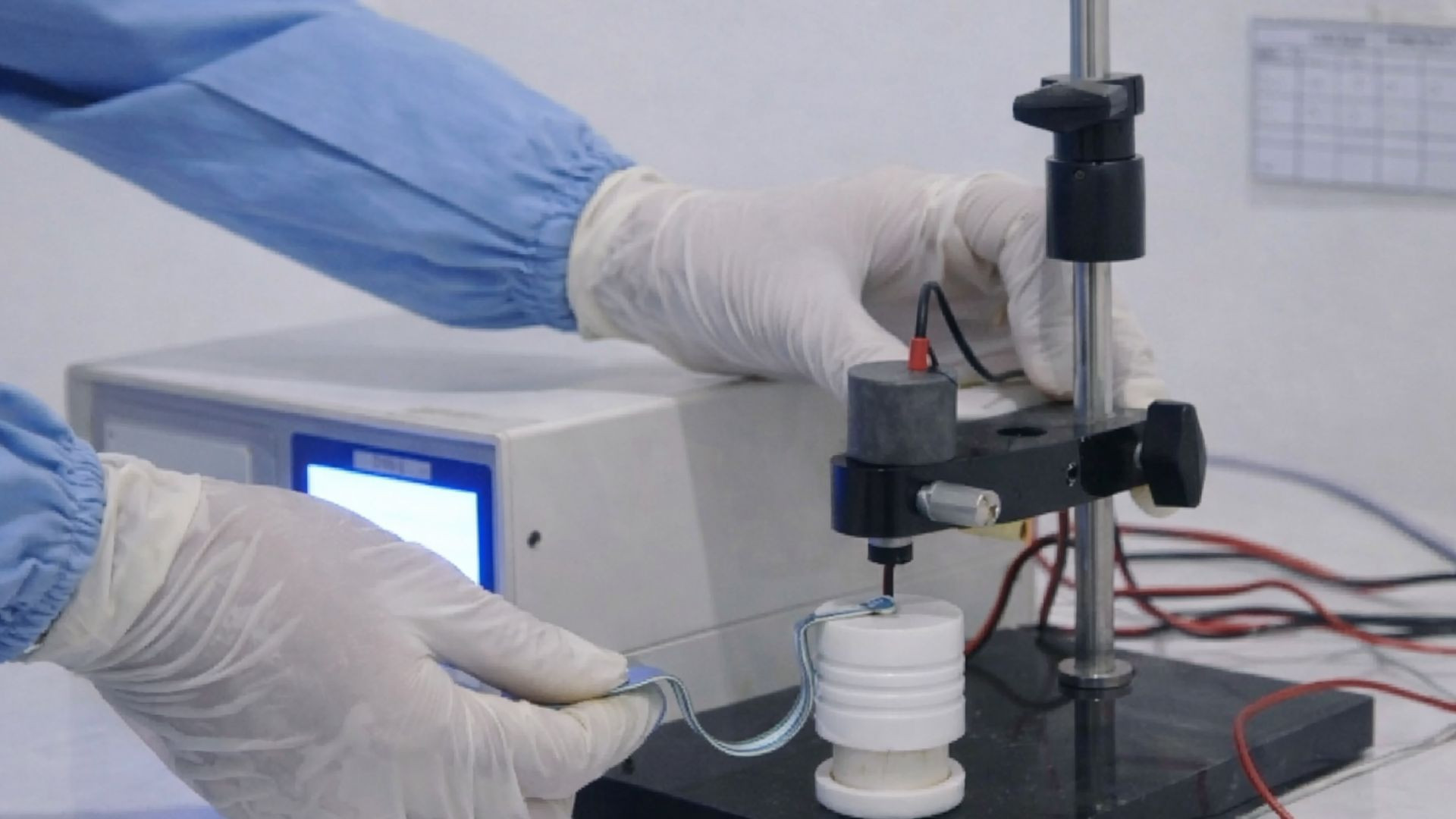
In the plating process, the final result that looks shiny and neat does not necessarily guarantee that its quality meets the standard. Behind that appearance, there is one very decisive technical parameter, namely the thickness of the layer. Therefore, the use of a thickness meter is an important part of maintaining consistency and quality standards of plating in various industries.
A thickness meter is a measuring instrument used to determine the thickness of the layer on the metal surface after the plating process. In the automotive, electronics, and precision component manufacturing industries, layer thickness is not just a number, but a technical specification that must be met. Thickness that is too thin can reduce corrosion resistance, while layers that are too thick can affect component dimensions and function.
Why Layer Thickness Must Be Controlled
The plating process aims to provide protection against corrosion, increase wear resistance, or improve surface performance. All these functions are highly dependent on the thickness of the layer formed. If the thickness does not meet the standard, component performance can be disrupted in the long term.
In industrial applications such as automotive, components that do not have the specified layer thickness can experience quality degradation more quickly. Therefore, accurate thickness measurement is an important part of the quality control system.
The Role of Thickness Meter in Quality Control
A thickness meter helps ensure that the plating results comply with the established technical specifications. This tool allows measurements to be made precisely without damaging the component. With measurable data, the production process can be evaluated and adjusted if discrepancies are found.
The use of a thickness meter also helps maintain consistency from one batch to the next. In large-scale production, this consistency is very important to avoid quality variations that can impact performance and customer trust.
Impact If Measurements Are Not Performed
Without accurate thickness measurement, the plating process risks producing layers that do not meet standards. This can cause components to fail to meet technical specifications, increase the potential for quality claims, or even trigger functional failure in the field.
In addition, excessive thickness can also increase material consumption and production costs. With proper control through a thickness meter, process efficiency can be maintained without sacrificing quality.
Inspection Support and Technical Assistance from SCMA
PT Sinar Cemaramas Abadi (SCMA) understands that quality control does not stop at the plating process alone. We provide thickness inspection services using a thickness meter to ensure that plating results meet the standards required by the industry.
In addition, SCMA also guides customers in the process of purchasing electroplating products to suit the desired application needs and technical specifications. This assistance helps minimize product selection errors, optimize plating results, and maintain production process efficiency.
With a measurable and data-driven approach, plating quality is not only assessed from visual appearance but also from accountable technical parameters. The thickness meter is one of the important tools in maintaining these standards.
In conclusion, in the modern plating world, layer thickness is the key to durability and performance. Through accurate measurement and appropriate technical assistance, quality can be consistently maintained according to industry standards.
References:
- ASM International. (2019). ASM Handbook, Volume 5: Surface Engineering.
- ISO 2178:2016. Non-magnetic coatings on magnetic substrates — Measurement of coating thickness.
- ISO 2360:2017. Non-conductive coatings on non-magnetic substrates — Measurement of coating thickness.
- Czichos, H., Saito, T., & Smith, L. (2020). Springer Handbook of Metrology and Testing.
- Davis, J. R. (2021). Quality Control in Metal Finishing Operations. Journal of Materials Engineering.
- European Federation of Corrosion. (2022). Coating Thickness and Corrosion Protection Guidelines.
Other Articles