Blackening on Bolts is Gaining Traction in the Automotive Industry
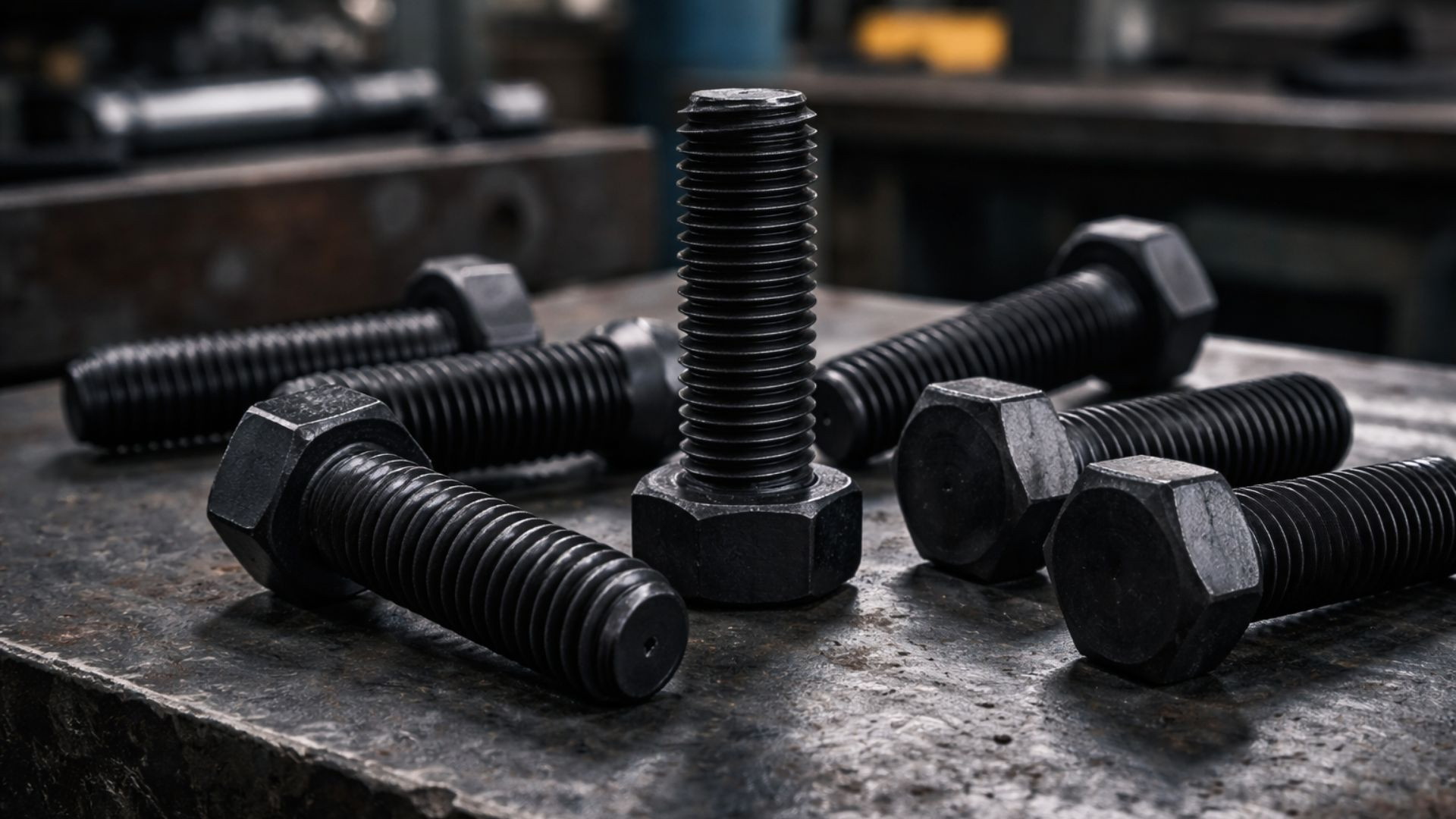
In the automotive industry, vehicle quality is not only determined by major components such as engines or frames. Small details like bolts also play an important role in maintaining joint strength and system stability. For this reason, surface treatments such as blackening are increasingly being applied to meet the durability and precision requirements in the automotive sector.
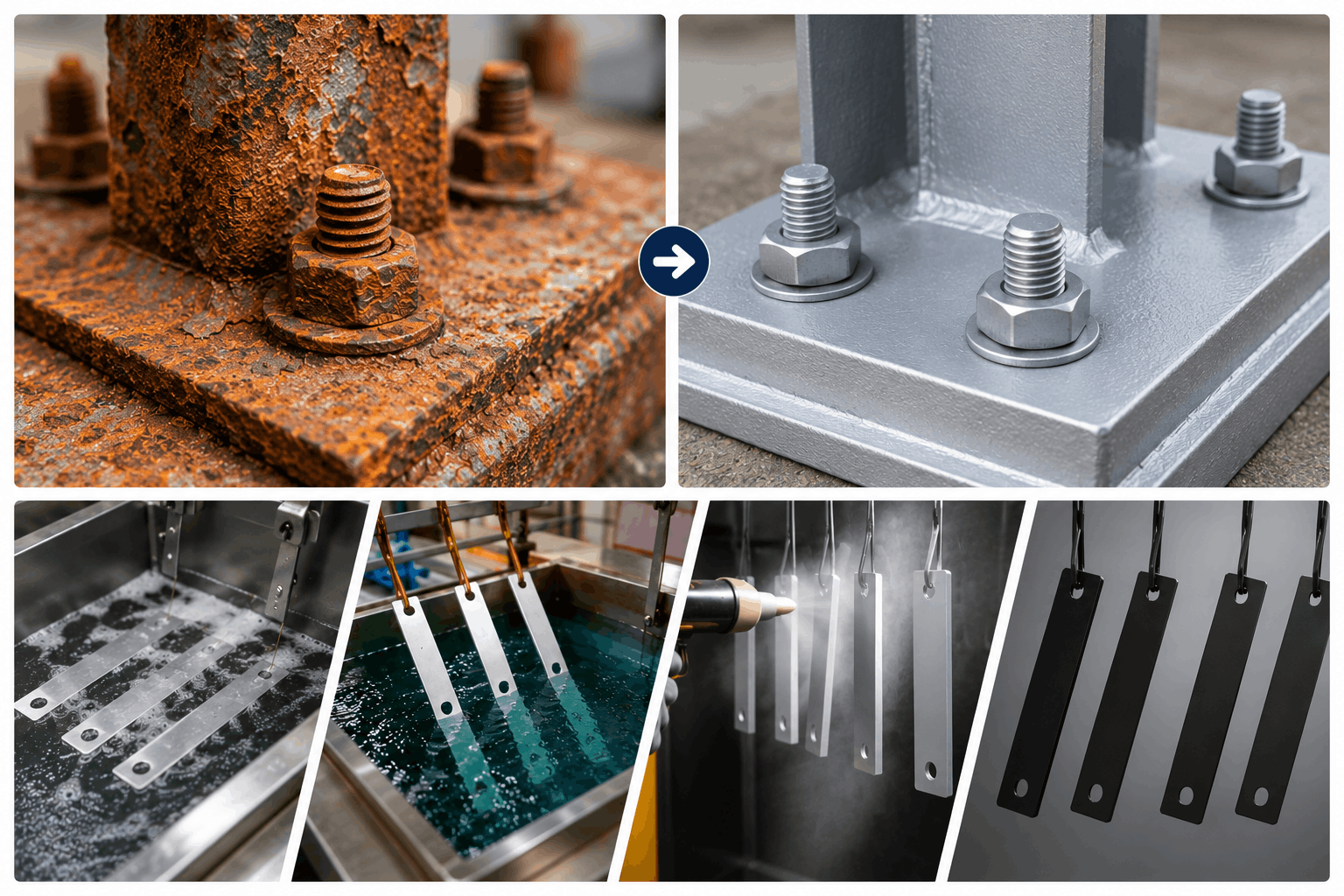
Blackening is a process of forming a conversion layer on the steel surface that helps improve corrosion protection. This process does not significantly increase thickness, so the original dimensions of the component are maintained. For industries that rely on high precision, dimensional stability is an important factor for assembly processes to run smoothly and consistently.
Application of Blackening on Automotive Components
In practice, blackening is widely applied to bolts and other steel components used in engine systems, frames, and even vehicle interior parts. These components often experience mechanical stress and exposure to various environments.
With blackening treatment, the steel surface has additional protection against oxidation. This helps maintain joint strength and reduces the risk of long-term corrosion damage. For the automotive industry, this reliability is an important value in maintaining vehicle performance.
Maintaining Precision Without Changing Dimensions
One of the technical advantages of blackening is that the layer formed is very thin and integrates with the material surface. Since there is no significant thickness addition, thread sizes and technical tolerances remain according to initial specifications.
In automated automotive production lines, dimensional consistency greatly affects installation accuracy and tightening torque stability. With controlled blackening, the assembly process can run more stably and efficiently.
Optimal Durability with Sealer
For industrial applications requiring higher protection, blackening can be equipped with a sealer. The addition of a sealer helps improve resistance to moisture and challenging environmental conditions.
This combination makes components more resistant to corrosion and has a longer service life. In the automotive context, this durability contributes to reducing potential maintenance and increasing overall system reliability.
Consistent Blackening Product Support
As a provider of blackening products, PT Sinar Cemaramas Abadi (SCMA) presents solutions designed to support the needs of the automotive industry. The production process is carried out with strict quality control so that the results obtained are consistent and meet technical standards.
Supported by the ISO 9001:2015 quality management system, SCMA ensures each blackening product has stable quality and is ready to be applied to various steel components. Our focus is to provide effective surface protection to support industrial durability and performance.
Technical Considerations in Using Blackening
In its application, it is important to ensure that the blackening process is carried out in a controlled manner so that the layer forms evenly. Additionally, the use of a sealer can be considered according to the operational environment needs of the component.
With proper application, blackening becomes an efficient and relevant surface protection solution for the automotive industry. Small details such as bolt surface treatment can make a major contribution to the strength, durability, and overall quality of vehicles.
References:
- Smith, J., & Brown, L. (2020). Surface Treatment Performance in Automotive Fasteners. Journal of Manufacturing Materials.
- Lee, K. (2021). Dimensional Stability in Metal Surface Conversion Processes. Industrial Engineering Review.
- Gupta, R., & Patel, S. (2022). Corrosion Protection Strategies in Automotive Components. Surface Technology Journal.
- Hernandez, M., et al. (2023). Process Control and Quality Consistency in Mass Production. Process Engineering Progress.
- Williams, S., & Tan, H. (2024). Coating Optimization for Industrial Applications. Surface Engineering Journal.
- Rodrigues, M. (2025). Integrated Surface Treatment Systems in Automotive Industry. Journal of Industrial Operations.
Other Articles