Securing Chemical Manufacturing for Electroplating

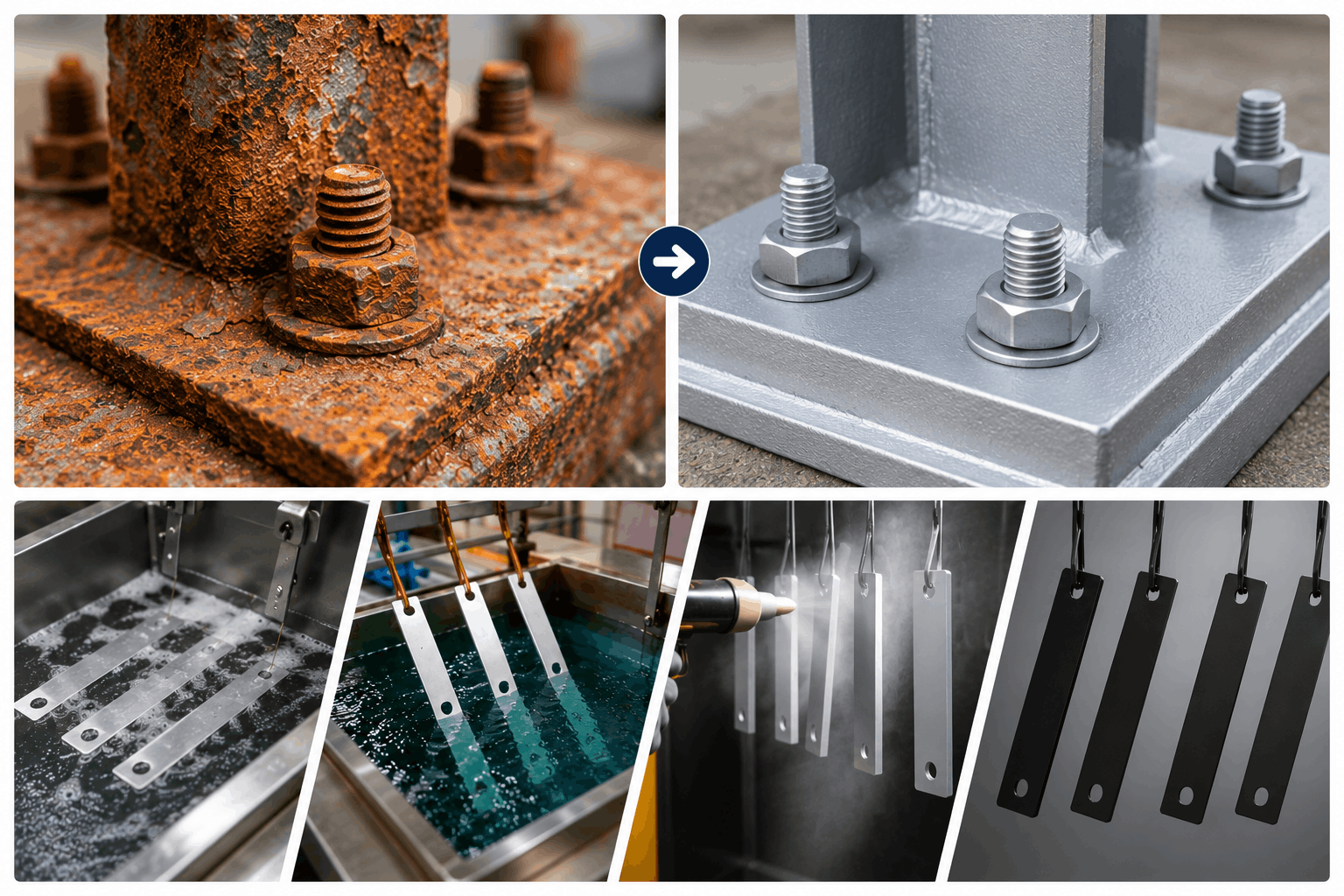
Electroplating chemical safety and teamwork are critical components in the operation of chemical production facilities. These facilities handle hazardous materials and intricate processes that require strict safety measures and strong collaboration among personnel. Maintaining a safe and efficient environment not only protects workers but also boosts productivity and product reliability. This article outlines essential safety practices and the role of teamwork in supporting successful electroplating chemical operations.
Importance of Safety in Electroplating Chemical Production
Ensuring safety in electroplating chemical production is essential due to the nature of substances involved, such as corrosive acids, alkalis, and heavy metals. Comprehensive safety systems must be in place to mitigate the risks of exposure, equipment failure, or environmental harm. Facilities that prioritize safety also experience reduced downtime, fewer accidents, and improved regulatory compliance.
Chemical Handling and Storage Protocols
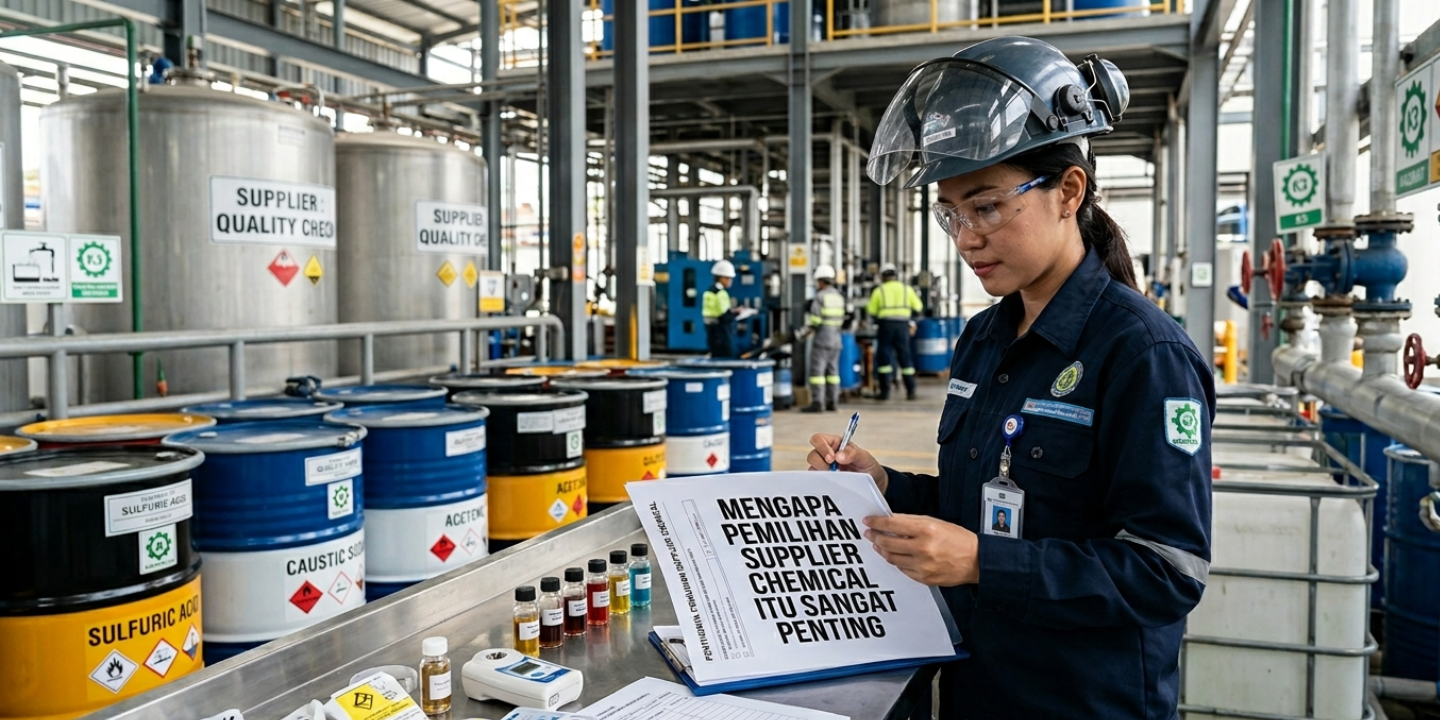
Proper chemical handling and storage are vital to reducing the risk of reactions, leaks, or contamination. All hazardous substances must be stored in compatible, clearly labeled containers within ventilated and temperature-controlled zones. Incompatible chemicals should be segregated. Personal protective equipment (PPE) such as gloves, safety goggles, and chemical-resistant clothing must be worn consistently. Facilities should also be equipped with emergency showers and spill containment systems to manage unexpected incidents.
Safety Training and Education
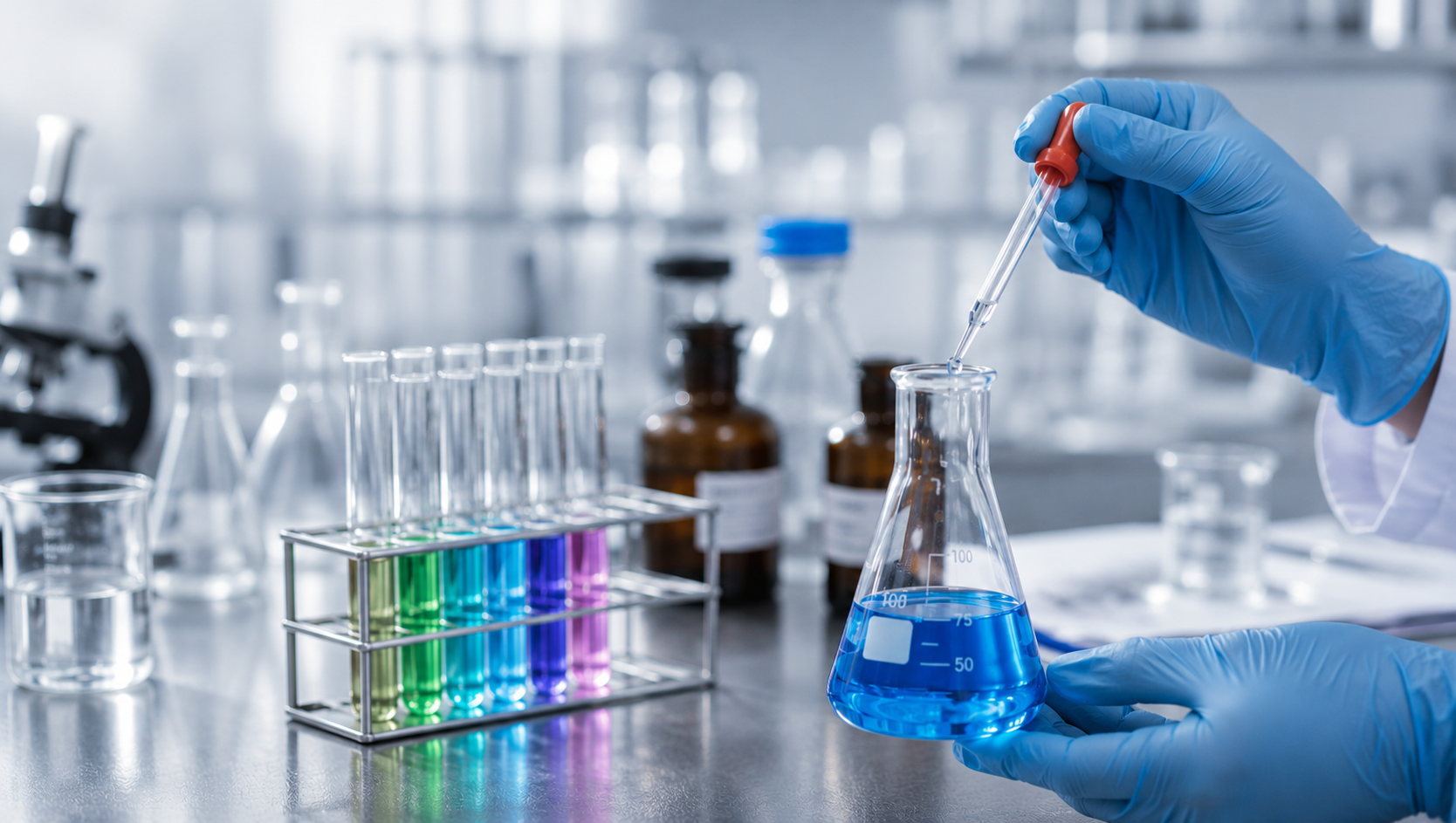
Regular chemical safety training is essential for all employees. Training should cover chemical properties, hazard identification, correct PPE usage, safe handling techniques, emergency response procedures, and first aid. Educating employees ensures that they understand the dangers present and are well-equipped to respond effectively to any safety concern or emergency, thereby minimizing accidents in chemical production environments.
Emergency Response Preparedness
Preparedness for emergencies such as chemical spills, fires, or gas leaks is a key element of electroplating safety management. Emergency response plans must be documented, accessible, and regularly updated. Frequent drills should be conducted to ensure readiness, and equipment like fire extinguishers, eyewash stations, and spill kits must be placed at strategic points throughout the facility and maintained in working condition.
The Role of Teamwork in Ensuring Safety
Teamwork in chemical production is a driving force behind a culture of safety. When team members communicate openly, support one another, and share responsibility, safety procedures are more consistently upheld. Encouraging workers to voice safety concerns and contribute improvement ideas fosters engagement and ownership, leading to proactive risk management.
Coordination and Communication
Effective coordination and clear communication ensure that all team members understand safety protocols, role responsibilities, and process changes. Daily safety briefings and routine meetings help maintain alignment. This level of transparency helps prevent misunderstandings, improves operational flow, and enhances overall workplace safety.
Leadership and Accountability in Safety
Strong leadership in chemical safety plays a vital role in embedding safety values into everyday operations. Supervisors and managers must model best practices, enforce safety standards, and support team members in following protocols. When leadership prioritizes safety, it encourages accountability at all levels and ensures that lapses are addressed promptly.
Continuous Improvement in Safety Practices
Safety in electroplating chemical production should be a dynamic and evolving focus. Facilities should conduct regular audits, collect feedback from employees, and analyze incidents to improve processes. By continuously refining safety protocols and investing in training and equipment, operations remain resilient to new risks and maintain compliance with industry standards.
In conclusion, safety and teamwork are essential elements for the success of any electroplating chemical production facility. By implementing strict safety protocols, fostering collaborative practices, and committing to ongoing improvement, facilities can ensure a secure working environment, protect personnel, and achieve consistent, high-quality production results.
References
- "Chemical Safety in the Workplace" – Occupational Safety and Health Administration (OSHA)
- "Best Practices for Chemical Storage" – National Institute for Occupational Safety and Health (NIOSH)
- "Emergency Preparedness and Response" – Environmental Protection Agency (EPA)
- "Building a Safety Culture Through Teamwork" – Safety+Health Magazine
Other Articles