Process Control in Black Chromating for Consistent Results

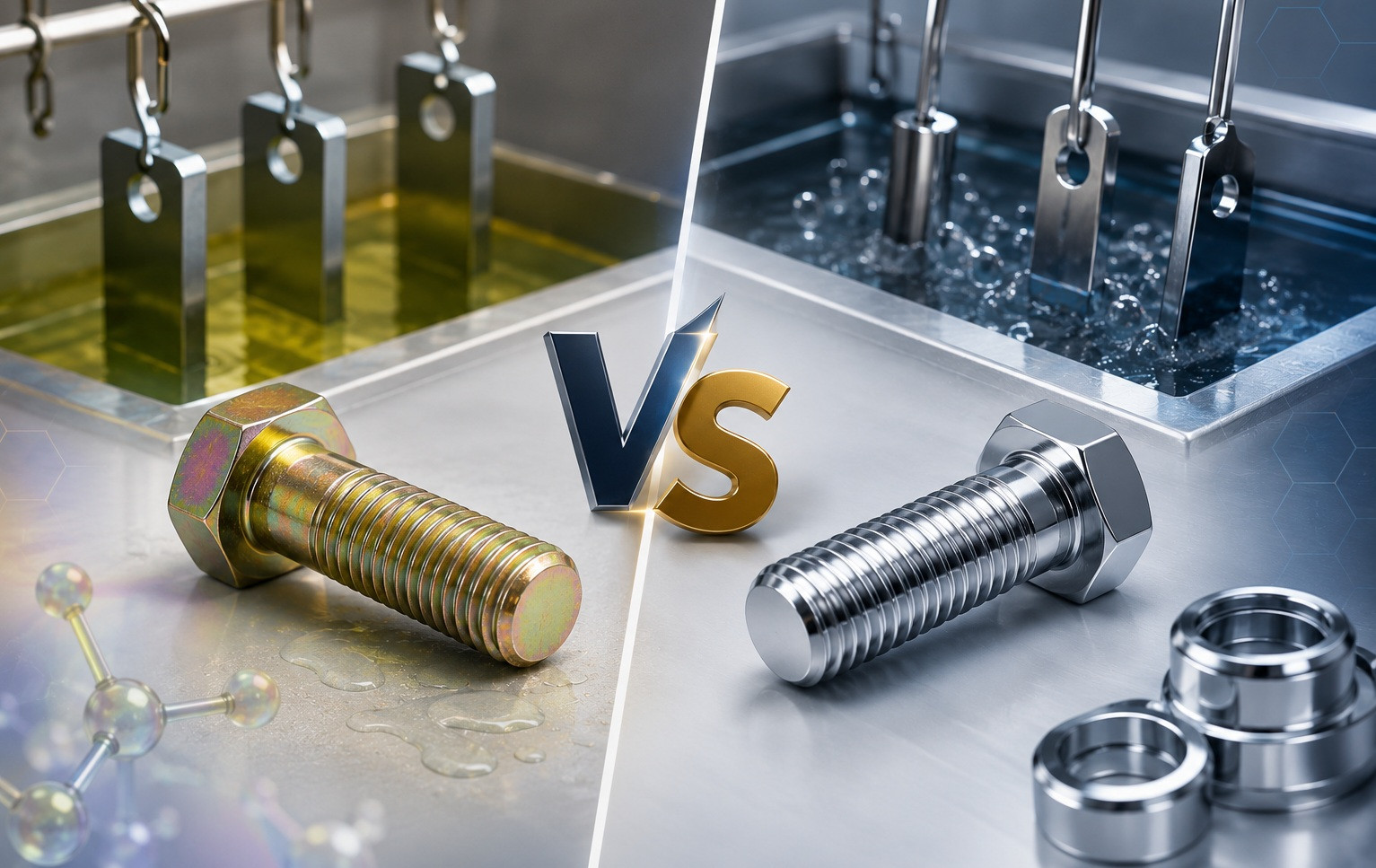
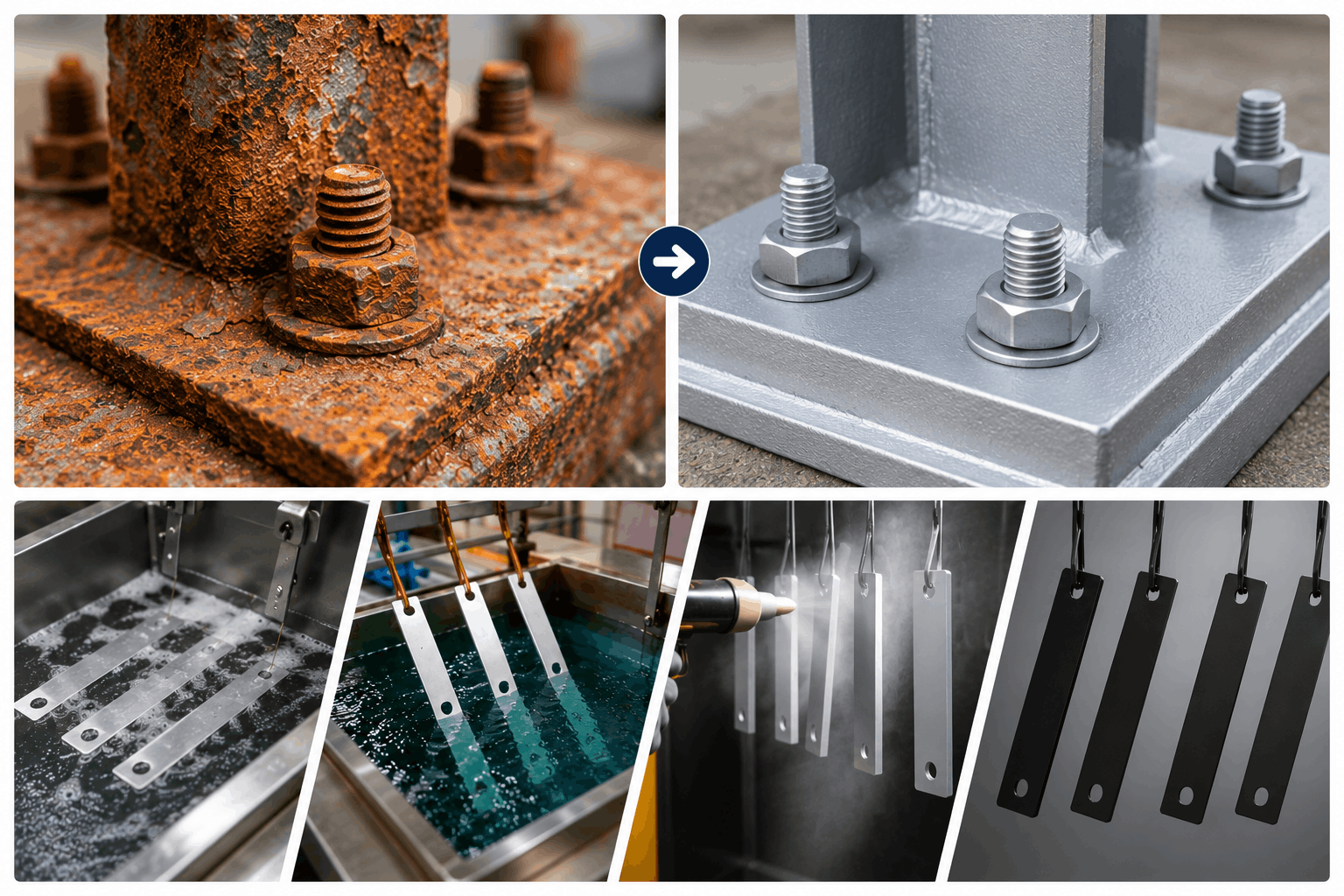
Black chromating is a critical process in electroplating used to coat metal surfaces with a protective layer that is both corrosion-resistant and aesthetically appealing. Achieving consistent and high-quality results depends heavily on precise process control at every stage.
The Importance of Process Control in Black Chromating
Effective process control ensures the black chromate layer has the correct thickness and performance characteristics. Without proper control, the quality of the coating may vary, leading to reduced durability and reliability in metal components.
Role of pH in the Black Chromating Process
pH levels in the chromate solution are a key factor in achieving optimal coating quality. An incorrect pH can cause poor adhesion or uneven coating, impacting both corrosion resistance and appearance.
Temperature Optimization for Metal Coating
Solution temperature directly affects the chemical reaction during black chromating. Excessive heat may damage the coating, while low temperatures can slow the reaction. Maintaining the right temperature range results in a durable and uniform metal coating.
Contact Time and Coating Performance
The contact time between metal and chromate solution must be optimized. Insufficient time may lead to a weak coating, while excessive time can produce a brittle or overly thick layer. Proper timing ensures corrosion-resistant surface finishing.
Effect of Dipping Speed on Coating Quality
Dipping speed impacts how evenly the chromate layer is applied. Uneven dipping may result in inconsistent thickness, affecting the final performance and visual quality of the coated part.
Periodic Quality Inspections
Routine quality inspections such as thickness testing and corrosion resistance checks help maintain high standards. Regular monitoring ensures that the black chromating process meets technical and industry requirements.
Training and Operator Understanding
Operators involved in black chromating must be trained in understanding process variables like pH, temperature, and dipping time. With proper training, they can consistently deliver high-performance metal surface treatment.
To achieve optimal results in black chromating, control over dipping parameters is essential. By managing factors such as solution pH, temperature, and immersion time, manufacturers can ensure long-lasting and visually appealing metal finishes that meet modern industry demands.
References:
- Buchheit, R. G., & Haldar, P. (2000). Corrosion and Surface Treatment of Materials. New York: Wiley.
- Downey, R. (2015). Chromium Plating and Black Chromating. Metal Finishing, 113(5), 42–47.
- Jha, S. (2017). Surface Treatment Technology for Metal Components. Journal of Applied Surface Science, 424, 10–15.
Other Articles