Pre-Treatment Failure, Electroplating Process Can Be Totally Failed
In the electroplating process, many focus on the type of coating metal, coating thickness, or the final appearance of the plating results. In fact, there is one fundamental stage that often determines success, namely pre-treatment. If this surface preparation stage is not done correctly, the entire electroplating process can fail completely even though the electrical current parameters and time are according to standards.
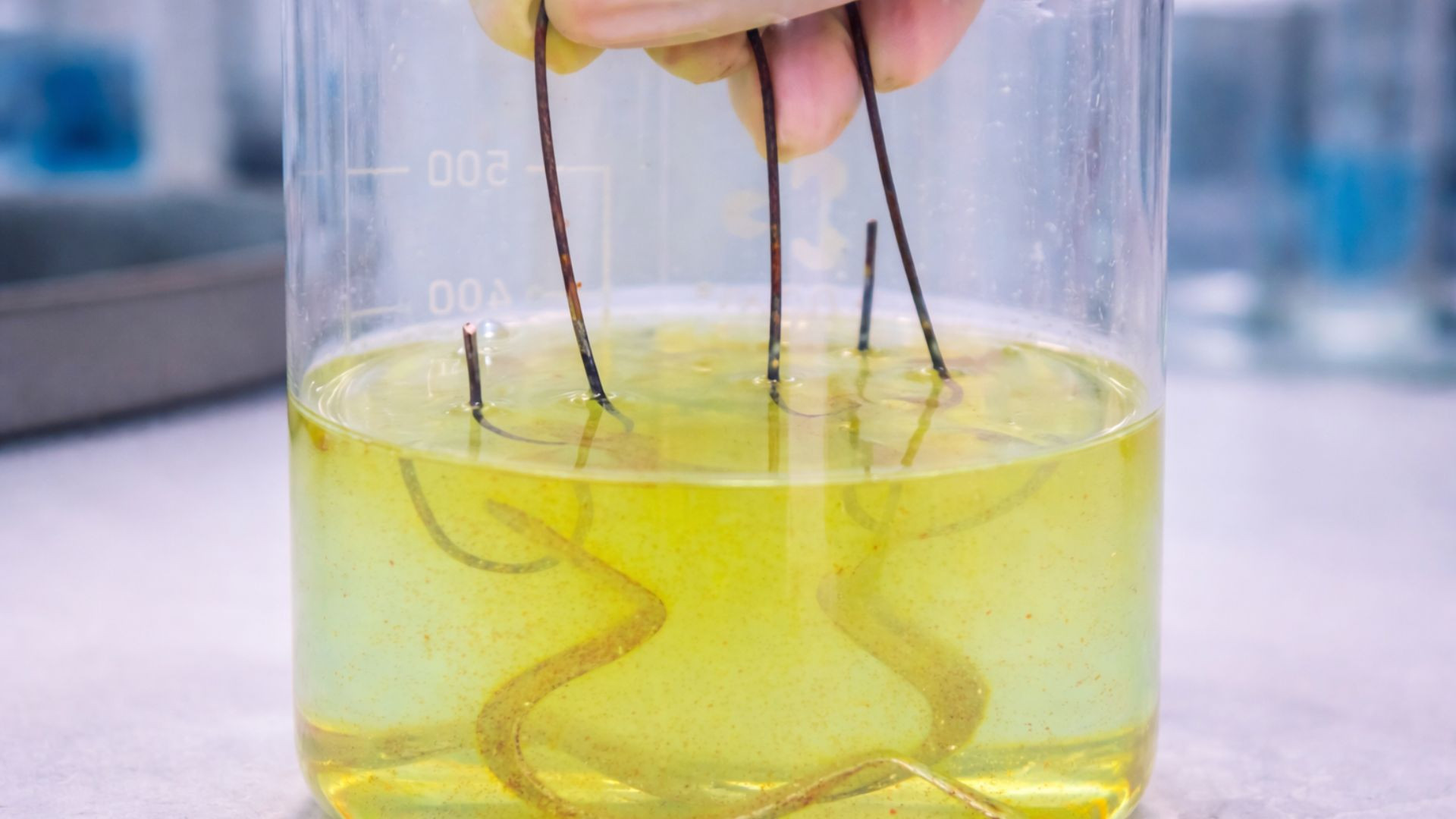
Pre-treatment is the process of cleaning and activating the surface before the component enters the plating bath. The goal is to ensure there is no oil, dirt, rust, or other contaminants that inhibit the metal deposition process. In the automotive, electronics, and precision component manufacturing industries, this stage becomes the main foundation before the metal layer is formed.
Why the Surface Must Be Truly Clean
Electroplating works on the principle of transferring metal ions through electric current to the workpiece surface. For ions to adhere and form a strong layer, the surface must be clean and chemically active. If there is still residual oil or even thin oxide, the adhesion of the layer can be disrupted.
As a result, the layer can form unevenly, small bubbles appear, or even peel off after use. In mass production, this condition can increase the number of defective products and impact production costs.
Technical Risks If Pre-Treatment Is Not Optimal
Errors in pre-treatment can cause various technical problems, such as inconsistent layer thickness, low corrosion resistance, and adhesion failure. In automotive applications, this condition can affect the reliability of components that function in critical vehicle systems.
In addition, plating failure means the process must be repeated. This not only wastes time but also increases energy and chemical consumption. Production efficiency can be significantly disrupted.
General Stages in Pre-Treatment
Generally, pre-treatment includes degreasing, rinsing, removal of oxides or light rust, and surface activation. Each stage has certain parameters that must be controlled, such as temperature, time, and solution concentration.
Precision in setting these parameters greatly determines the final result of electroplating. A well-prepared surface will allow the layer to form more evenly and have strong adhesion.
Process Control to Maintain Consistency
In industry, quality consistency highly depends on documented process control. A quality management system helps ensure that every stage of pre-treatment is carried out according to established standards.
With a measurable approach, the risk of plating failure can be minimized and product quality remains stable from one batch to the next. Proper pre-treatment is not just an initial stage but an important investment to guarantee the success of the entire electroplating process.
In conclusion, pre-treatment should not be considered a supporting process. This stage is the main foundation that determines whether electroplating will succeed or completely fail.
References:
- Schlesinger, M., & Paunovic, M. (2018). Modern Electroplating (5th ed.). John Wiley & Sons.
- Lowenheim, F. A. (2019). Electroplating Engineering Handbook. McGraw-Hill Education.
- Dini, J. W. (2020). Surface Preparation for Metal Finishing. Metal Finishing Review.
- Kushner, J. B. (2021). Cleaning and Activation in Electroplating Processes. Journal of Applied Surface Engineering.
- ASM International. (2022). ASM Handbook, Volume 5: Surface Engineering.
- Mallory, G. O., & Hajdu, J. B. (2023). Electroless Plating: Fundamentals and Applications. AESF Society.
Other Articles