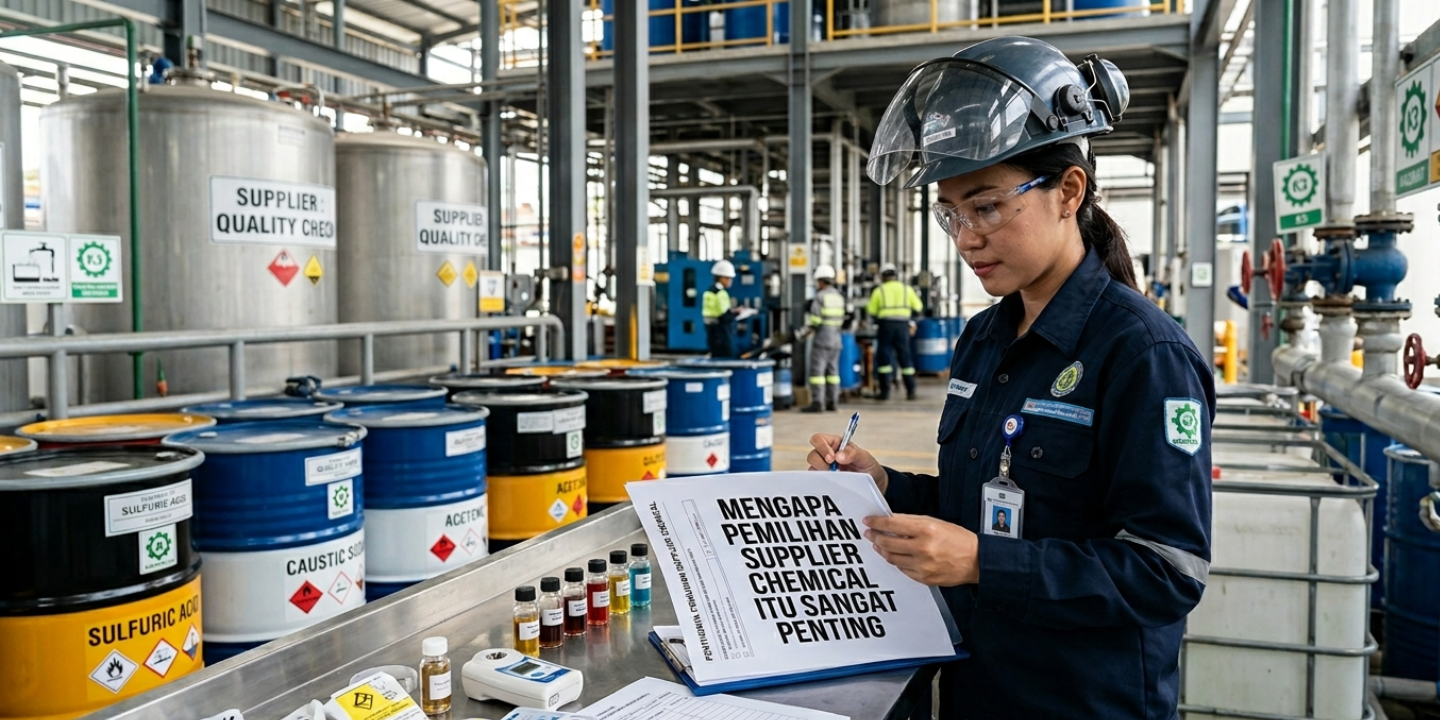
Occupational Health and Safety in Electroplating Warehouse

Safety and teamwork are essential pillars in managing and operating an electroplating chemical warehouse. The handling of hazardous chemicals in plating operations demands strict adherence to safety procedures and seamless collaboration among team members. This article highlights the key safety practices and the critical role of teamwork in ensuring efficient and secure warehouse operations.
Importance of Safety in Electroplating Chemical Warehouses
Chemical warehouses involved in electroplating processes store substances such as acids, alkalis, and heavy metals. Implementing robust safety protocols helps prevent accidents, chemical exposures, and environmental harm. These include proper labeling, secure storage systems, and well-planned emergency responses. Adopting a safety-first approach protects both workers and the surrounding community.
Proper Chemical Storage and Handling Procedures
Effective chemical handling in plating warehouses begins with the correct segregation of incompatible materials. Chemicals must be stored in ventilated spaces with secondary containment and leak-proof labeling. Safety practices require employees to use PPE such as gloves, goggles, and masks. Adherence to chemical handling guidelines is essential for preventing spills, reactions, or toxic exposure.
Ongoing Training and Safety Education
Continual safety training for warehouse staff ensures awareness of chemical hazards and emergency procedures. Workers should be educated on spill response, PPE usage, and the safe handling of corrosive or flammable substances. Regular updates and refresher courses help reinforce safety habits and compliance with industry regulations like OSHA and NIOSH standards.
Emergency Preparedness and Response
Being prepared for chemical incidents is critical in electroplating warehouse management. Facilities must have clear response protocols for chemical spills, fires, or exposure events. Emergency equipment—such as eyewash stations, fire extinguishers, and spill containment kits—must be accessible and regularly maintained. Emergency drills help ensure staff can act swiftly and effectively under pressure.
Teamwork as a Core Element of Safety Culture
Teamwork in hazardous material storage environments strengthens overall safety. Open communication and mutual accountability foster a proactive culture where workers look out for each other. Encouraging feedback and collaboration allows for the early identification of risks and collective problem-solving, reducing the chances of oversight or unsafe practices.
Clear Communication and Coordination
Effective communication is vital for synchronized warehouse operations. Regular briefings and clear signage help workers stay informed of current chemical risks or changes in procedures. Coordinated workflows minimize disruptions, ensure task accuracy, and reinforce compliance in electroplating chemical handling.
Leadership Responsibility and Safety Accountability
Strong leadership is essential in upholding safety standards in electroplating warehouses. Supervisors should model safe behavior, enforce guidelines, and provide adequate safety resources. Clear roles and accountability systems ensure everyone understands their responsibilities and consequences for lapses in safety practices.
Continuous Safety Improvement Practices
Implementing a continuous improvement mindset allows warehouses to adapt to new challenges in chemical safety. Safety audits, employee feedback, and technological upgrades help identify gaps in existing systems. By refining procedures and investing in staff development, electroplating chemical warehouses can maintain high safety standards over time.
In conclusion, safety and teamwork are vital components of successful electroplating chemical warehouse operations. Through proper chemical management, active collaboration, consistent training, and strong leadership, facilities can safeguard employees while optimizing performance. Investing in these core areas not only prevents incidents but also promotes long-term operational excellence.
References
- "Chemical Warehouse Safety Guidelines" – Occupational Safety and Health Administration (OSHA)
- "Safe Storage and Handling of Chemicals" – National Institute for Occupational Safety and Health (NIOSH)
- "Emergency Response Planning for Chemical Spills" – Environmental Protection Agency (EPA)
- "The Importance of Teamwork in Safety" – Safety+Health Magazine
Other Articles