Electroplating on Non-Metal Substrates

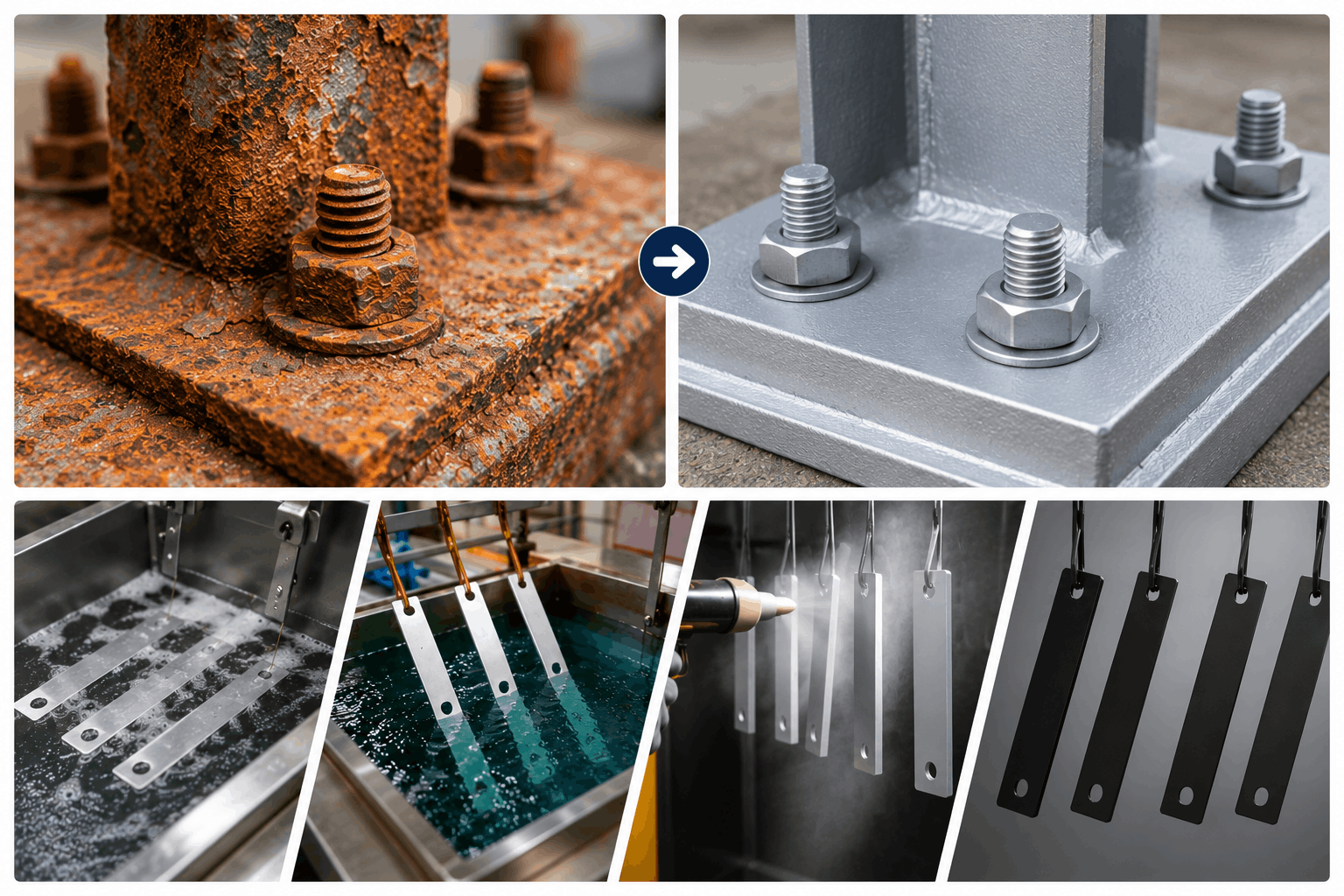
Recent developments in electroplating technology have made it possible to plate on non-metal substrates, opening new applications in industries such as automotive and electronics. One key example is plastic electroplating, which enables weight reduction in vehicles without compromising surface finish quality.
Since 1944, when Abner Brenner and G.E. Riddell discovered electroless plating by coating nickel inside machine gun barrels using sodium hypophosphite without electricity, the door was opened to new possibilities—especially for plating on non-conductive materials.
4 Non-Metal Substrates That Can Be Electroplated
1. Kevlar
Kevlar plating has gained attention due to its high tensile strength-to-weight ratio—five times stronger than steel. It's used in products such as bulletproof vests and sports equipment. Before electroless nickel plating, Kevlar fabric is pretreated using aminopropyltrimethoxysilane (APTMS) in supercritical CO2. This process results in a uniform nickel layer over Kevlar strands, improving durability and electrical properties.
2. Ceramic
Ceramic electroplating involves activating porous alumina ceramic with metallic nickel nanoparticles. These particles act as catalytic active sites and initiate the electroless nickel reaction. This low-cost method ensures uniform coating and enhances electrochemical performance, making it suitable for oxygen evolution and other technical applications.
3. Glass
Glass plating requires an acidic electroless solution (pH 5.0–7.0) that includes borate, fluoride, and hydroxycarboxylic acid ions like glycolate. Using hydrofluoric acid etching before plating enhances adhesion significantly. Instead of palladium activation, a nickel salt–water treatment is applied. The result is a mid-phosphorus electroless nickel coating (91.21% Ni, 8.79% P) with excellent corrosion resistance, particularly in 5% HNO3.
4. Plastic
Plastic electroplating begins with etching the surface using chromic acid to enhance adhesion. Residual acid is removed before the surface is sensitized with a tin-palladium solution. Afterward, electroless plating with copper or nickel is applied. This creates a conductive layer that supports further electroplating and finishes.
Non-metal substrate plating technologies, including applications on Kevlar, ceramic, glass, and plastic, represent a new era in advanced manufacturing. These methods provide lightweight, corrosion-resistant, and conductive finishes on previously uncoatable materials. As technology progresses, these innovations will continue to drive forward the future of industrial electroplating.
References
- Bo et al., 2011. Research on Technology of Electroless Ni Plating on Glass Fiber Surface. Rare Metal Materials and Engineering, 40:360–364.
- DuPont. What Is Kevlar? Archived 2007-03-20.
- SPC. 2017. History of Electroplating. Sharretts Plating Company.
- SPC. 2017. Electroplating on Plastic. Sharretts Plating Company.
- Zeng et al., 2018. Nickel Deposition on Kevlar Fabric Modified With APTMS. Journal of Materials Science: Materials in Electronics, 29:19200–19206.
- Zhang et al., 2021. Electroless Nickel Plating on Alumina Ceramic Activated by Metallic Nickel. Catalysis Communications, 149:106238.
Other Articles