Application of Black Chromating in the Automotive Sector

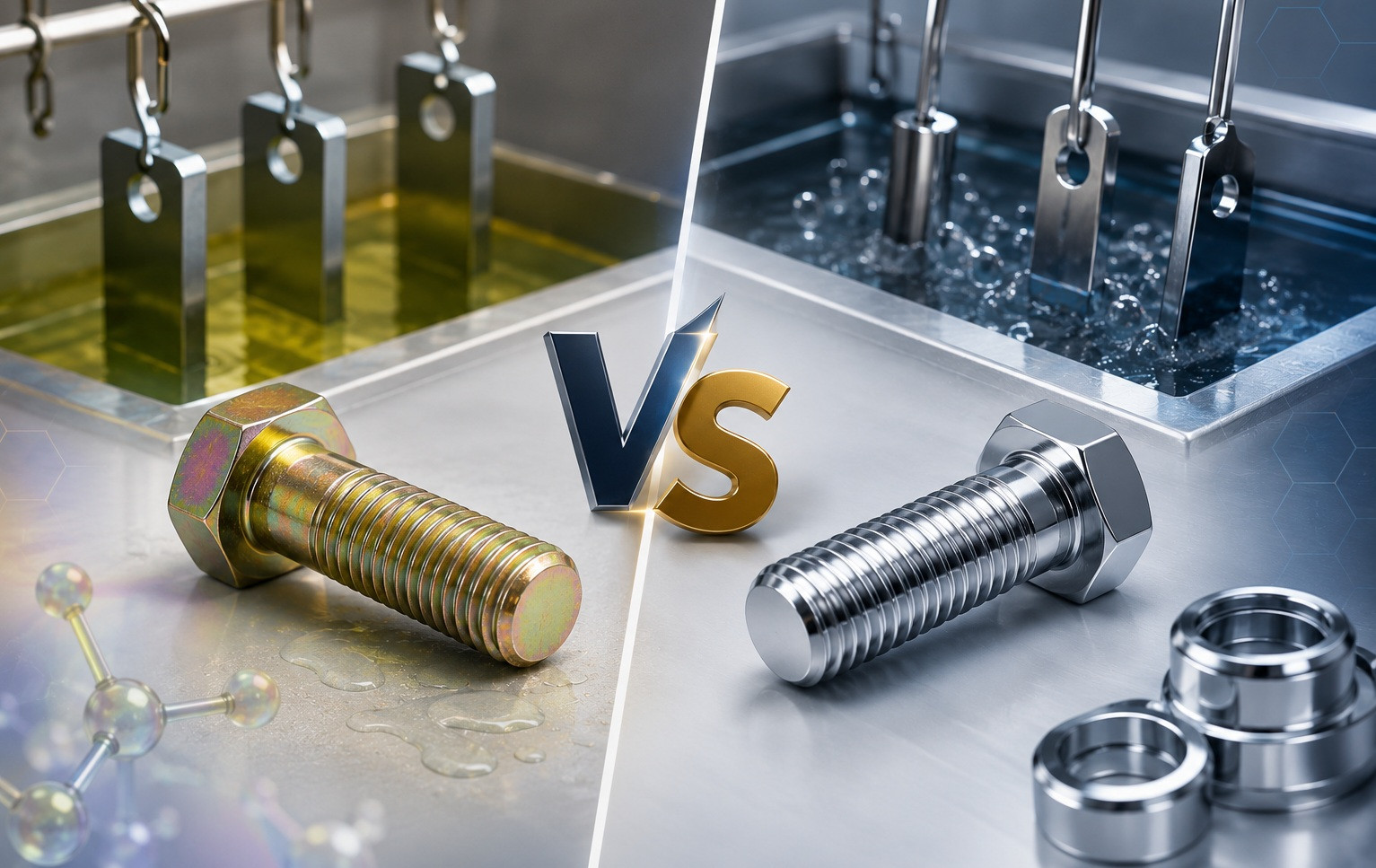
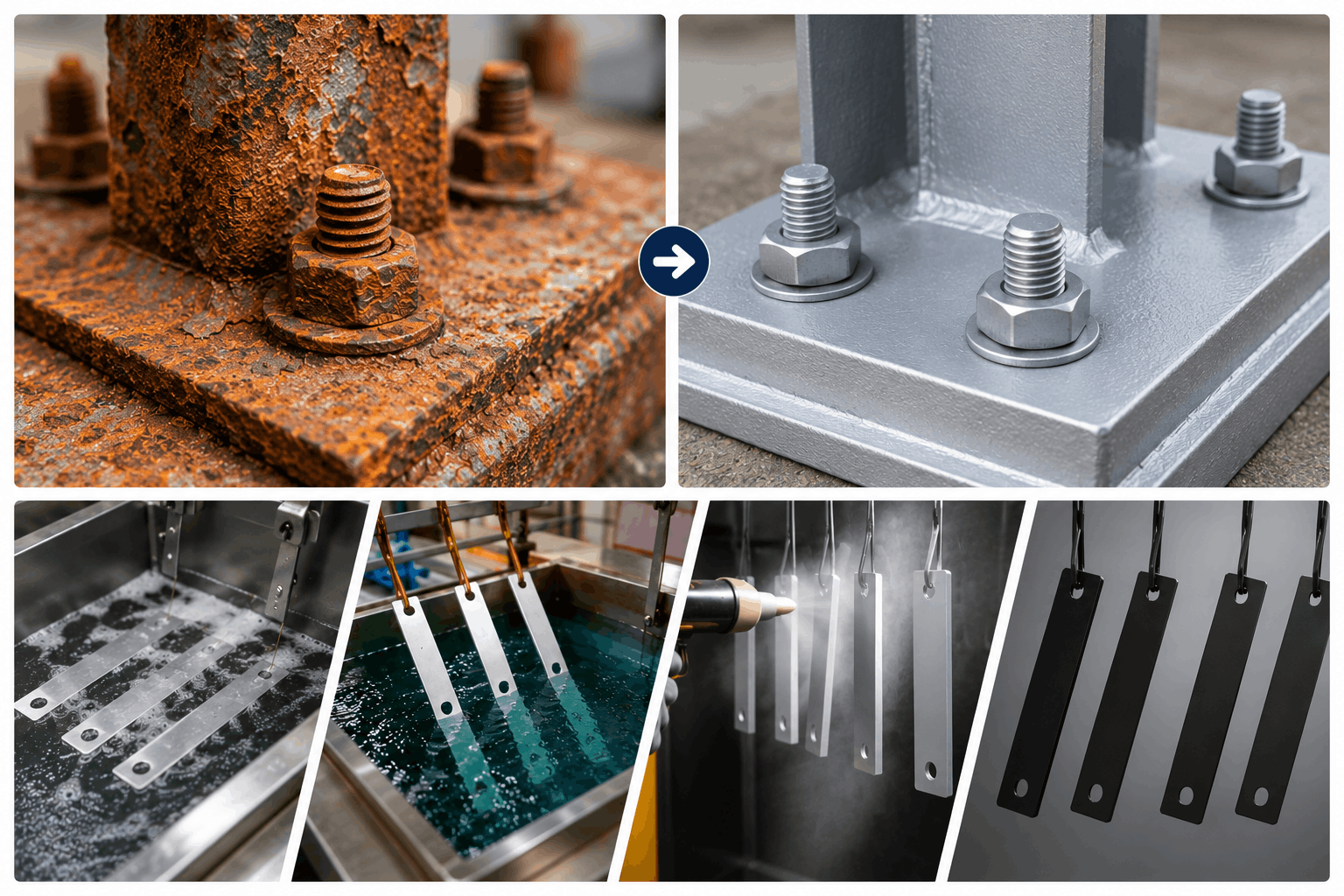
Black chromating is a widely used technique in the automotive electroplating industry for applying a protective layer to metal components. This coating enhances corrosion resistance while improving the overall appearance. The process provides excellent protection against harsh environments and significantly extends the lifespan of automotive parts.
Role of Black Chromating in Automotive Electroplating
In modern automotive manufacturing, the demand for durable, corrosion-resistant coatings is growing. Black chromating offers a reliable and efficient metal finishing solution for components like brackets, fasteners, and engine parts. The process enhances both functionality and aesthetics, making it ideal for vehicles operating in extreme conditions.
Benefits of Black Chromating for Automotive Parts
Black chromating protects metal surfaces from oxidation, moisture, and chemical exposure. It extends the service life of parts such as suspension components and brake systems, reducing maintenance costs and minimizing downtime. The coating is especially beneficial for under-the-hood components exposed to heat and vibration.
Aesthetic Advantages of Black Chromate Coating
In addition to functional performance, black chromating delivers a sleek and modern appearance. The dark finish adds visual appeal to automotive components, especially when visible in premium or high-performance vehicles. It's a preferred solution for designers looking to combine aesthetics with protection.
Trends in Automotive Surface Finishing
As automotive technology advances, electroplated black chromate coatings are gaining popularity. Brake rotors, wheel hubs, and fasteners are increasingly finished with black chromate to meet both technical and visual standards. The shift reflects a growing emphasis on surface protection and long-term durability.
Why Black Chromating Outperforms Other Coating Methods
Compared to traditional coatings, black chromating provides a thinner, uniform layer that doesn’t compromise part tolerances. It also produces less waste, making it an environmentally conscious option. Its ability to meet OEM plating standards makes it an excellent fit for high-volume automotive production.
How Black Chromating Improves Component Performance
The coating enhances both wear resistance and corrosion protection, ensuring automotive components last longer under mechanical stress. This improves the overall reliability of vehicle systems and contributes to customer satisfaction through extended part performance.
Quality Control in Black Chromating Applications
To maintain consistent quality, black chromating must adhere to strict process parameters such as bath temperature, immersion time, and chemical concentration. Meeting these standards ensures uniform coating thickness and performance across different batches of components.
Black chromating remains a leading solution in the automotive metal finishing sector, offering reliable protection and a premium look. As automotive designs evolve, the use of high-performance surface coatings like black chromate will continue to grow, supporting the demand for robust and aesthetically pleasing components.
References:
- Buchanan, R. (2018). Chromate Conversion Coatings: Fundamentals and Applications. Journal of Coatings Technology, 91(8), 101–107.
- The Welding Institute (TWI). (2016). Electroplating and Surface Finishing Processes. Cambridge: TWI.
- Park, J. H., & Lee, H. J. (2020). Surface Treatment and Coating Technologies for Metal Components. Materials Science and Engineering, 752, 145–152.
Other Articles