Why Acid and Cyanide Work in Copper Plating

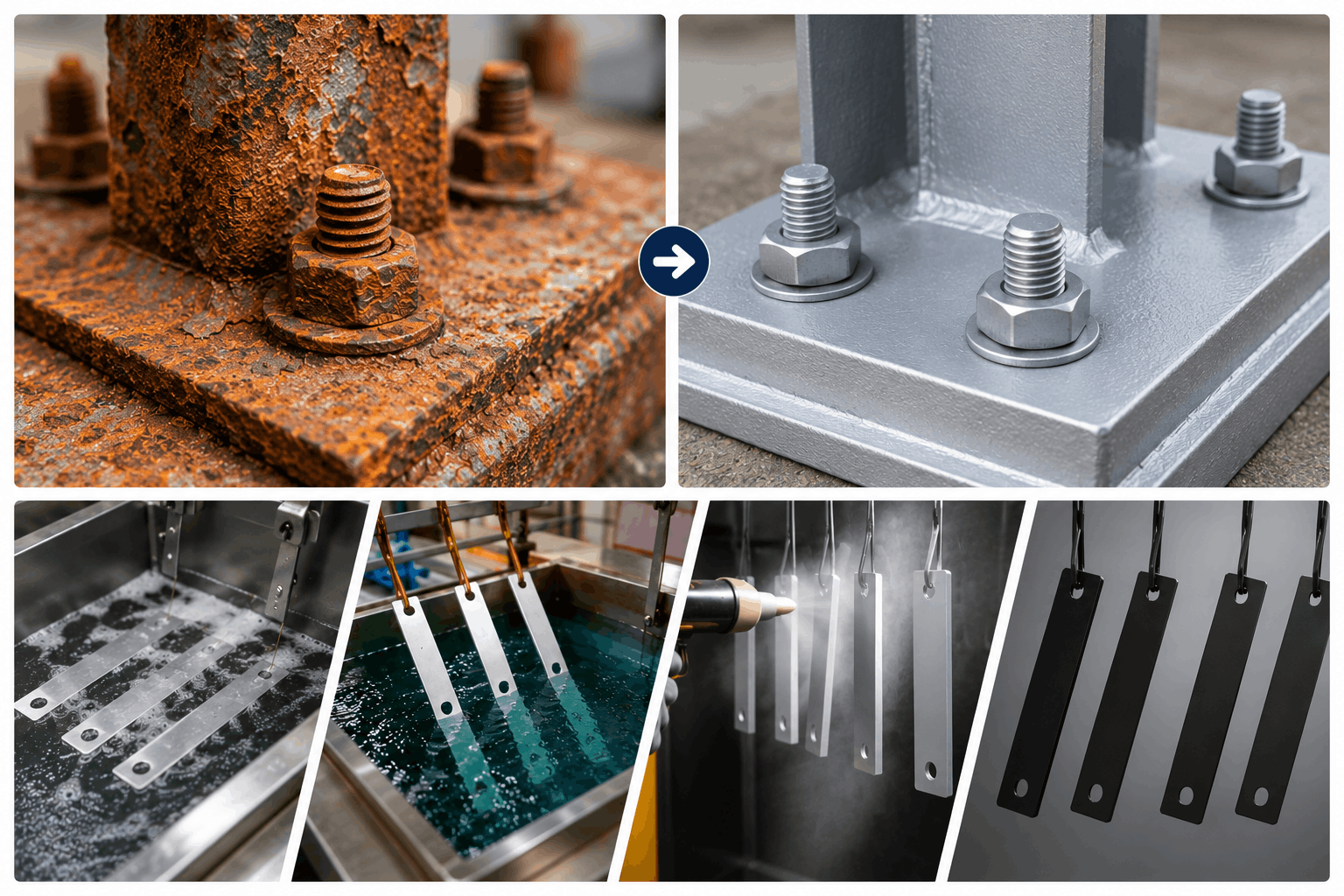
Copper plating remains a vital method in the electroplating industry, valued for its conductivity, anti-corrosion properties, and decorative finish. Today, many industrial players adopt combined acid and cyanide solutions to enhance plating consistency and quality. This article explains how both chemicals interact and benefit modern electroplating operations across industries.
Cyanide’s Stabilizing Role
Cyanide forms strong complexes with copper ions in the plating bath, stabilizing their availability. This reduces premature deposition and enables controlled copper release, ensuring smooth, even metal layering on various substrates.
Acid Prepares Metal Surfaces
Acidic solutions like sulfuric acid clean surfaces before copper deposition. They remove oxides and grease, which promotes stronger copper adhesion during electroplating. Without this, metal bonding becomes weak or uneven.
Acid-Cyanide Synergy
The acid keeps the substrate active and clean, while cyanide regulates copper ion release. Together, they improve deposit uniformity, limit surface defects, and optimize anode dissolution, boosting overall plating efficiency.
Advantages in Acid Baths
Cyanide allows copper ions to deposit smoothly, while acid improves bonding. This pairing supports fine-grain copper coatings with excellent dimensional precision—especially critical for automotive and electronic components.
Controlling the Process
By adjusting acid and cyanide levels, manufacturers control layer thickness, hardness, and ductility. The acid accelerates anode dissolution, keeping copper supply consistent and reducing the need for bath adjustments.
Bath Management Challenges
Too much cyanide slows deposition, while too little acid affects adhesion. Achieving the right chemical balance is key for quality results. Routine monitoring is essential to prevent plating defects or instability.
Applications in Industry
From printed circuit boards to vehicle components, acid-cyanide copper plating is trusted for reliability. It produces high-conductivity, corrosion-resistant layers needed to meet industrial demands in modern manufacturing.
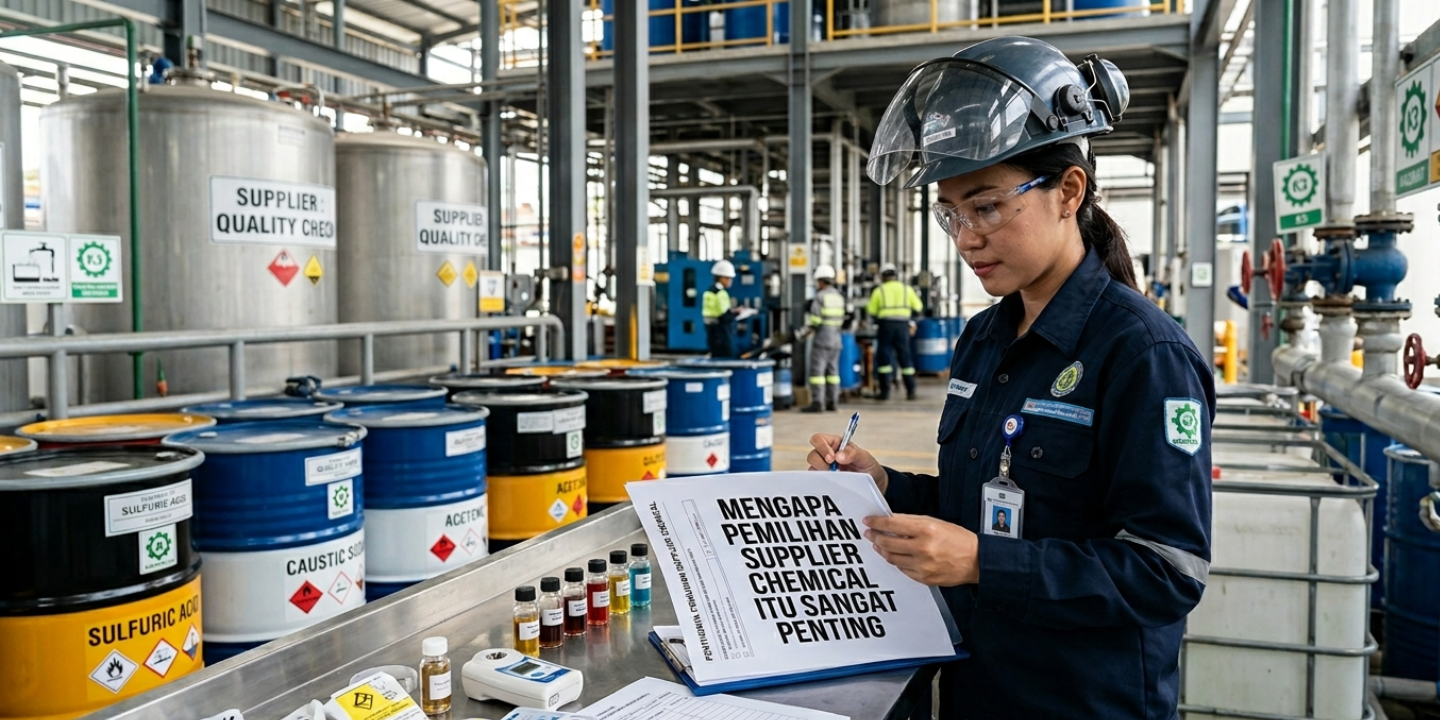
At PT Sinar Cemaramas Abadi, we understand the chemistry behind copper plating. The synergy of acid and cyanide continues to be a proven approach in modern electroplating. It enhances control, consistency, and coating reliability—key elements for delivering quality in every plated product.
References
- "The Chemistry of Cyanide-Based Copper Plating Solutions" – Journal of Surface Engineering
- "Copper Plating: Process Optimization and Control" – Electroplating Review
- "Advances in Acid-Cyanide Copper Plating Technology" – Industrial Plating Magazine
- "The Role of Acid in Metal Surface Preparation" – Surface Finishing Journal
Other Articles