Safety Excellence in National OSH Month for Electroplating

National Occupational Safety and Health (OSH) Month is an important time for companies, including those in the electroplating industry, to strengthen their workplace safety initiatives. In this sector, where employees are often exposed to chemicals and high-risk procedures, adopting practical and effective OSH strategies is essential. By focusing on health and safety, companies can protect their workforce while also improving operational consistency and productivity in daily activities.
Conducting Workplace Safety Audits
One of the first steps in promoting safety is to carry out thorough workplace audits. These audits help identify common risks such as chemical exposure, fire hazards, and possible machine-related injuries. Through structured inspections and checklists, companies can develop action plans that fix existing issues. This process not only improves employee protection but also creates a stronger culture of accountability throughout the workplace.
Ensuring Proper PPE and Procedures
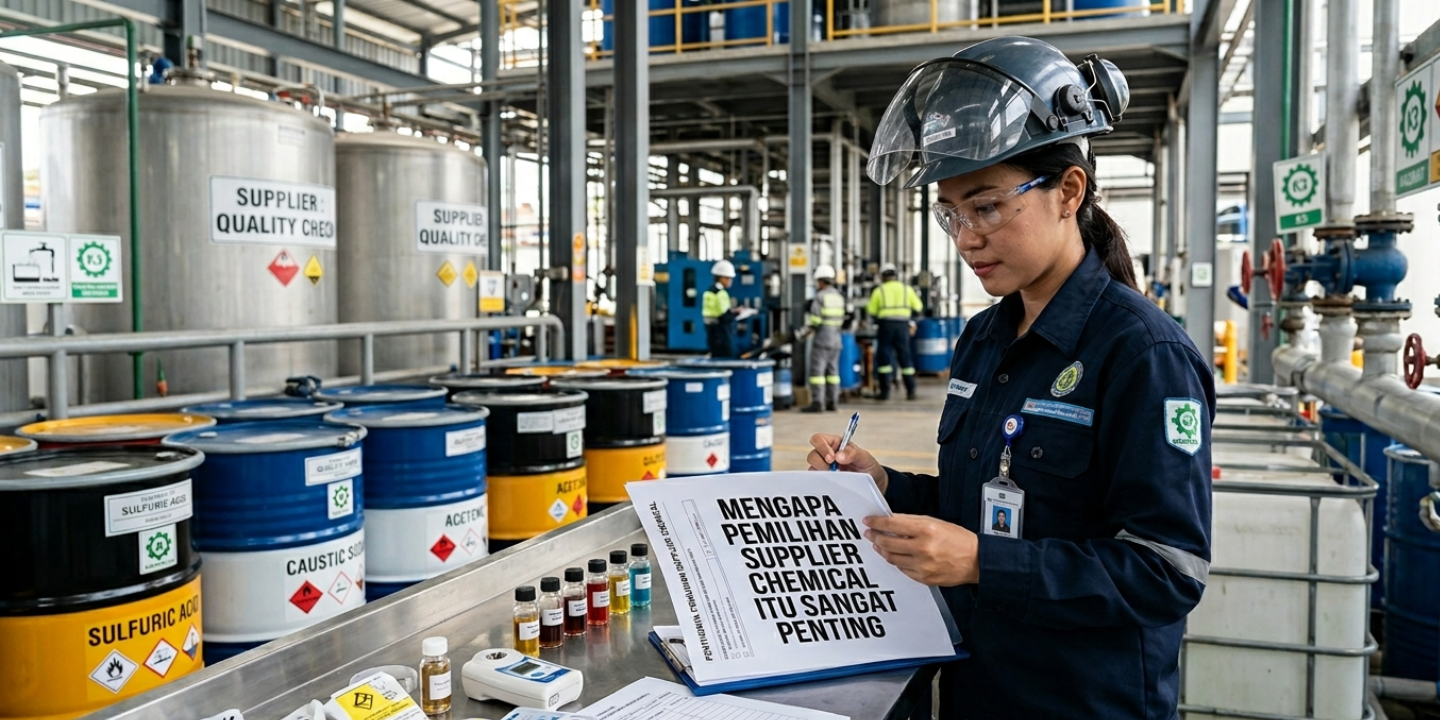
After identifying risks, companies must ensure that all workers follow clear safety protocols. This includes the proper use of personal protective equipment (PPE) like gloves, masks, and safety goggles. Training sessions and visible reminders around the workspace reinforce the importance of using PPE. By providing easy access to safety gear and demonstrating its benefits, companies can significantly reduce the chance of accidents or chemical exposure.
Standard Operating Safety Systems
Creating and maintaining a structured safety system is essential. Companies should develop and implement standard operating procedures (SOPs) for every major activity in the electroplating process. These SOPs guide workers step-by-step, helping to avoid mistakes and keep tasks organized. When employees follow clear routines, they can perform their jobs with confidence and efficiency while minimizing safety risks.
Clean Workspaces and Safe Equipment
Maintaining cleanliness and equipment safety is another key part of a healthy workplace. Clean environments reduce the risk of spills, slips, and contamination, while functioning equipment helps avoid injuries. Employees should be trained to keep their stations tidy and report any signs of damage or malfunction. This daily habit supports long-term safety and improves workflow organization.
Routine Equipment Inspections Matter
Companies must also inspect and maintain machines and tools on a regular basis. Preventive maintenance ensures that each piece of equipment operates safely and doesn’t pose unexpected risks. Scheduled checks also help avoid sudden breakdowns that may interrupt production or cause harm. Consistent monitoring boosts both workplace safety and operational reliability across the facility.
Engaging Activities for Safety Awareness
During National OSH Month, companies can hold educational activities like workshops, safety demonstrations, or team discussions. These events help employees understand safety in a more interactive way. It’s also an opportunity to promote teamwork and individual responsibility. With regular engagement, businesses can build a lasting culture of safety and show their dedication to employee well-being.
Ongoing Commitment to Employee Safety
At PT Sinar Cemaramas Abadi, safety practices are part of daily operations. The company has implemented workplace audits, standard procedures, training programs, and consistent equipment checks. These steps reflect a strong commitment to protecting its workforce. As part of its safety culture, the company encourages all staff to participate actively in keeping the work environment secure and organized every day.
References:
- Yunita, R. (2021). “Safety Systems for Industrial Operations.” Journal of Occupational Health and Safety. https://doi.org/10.25077/jkki.2021.05.002
- Sutrisno, A. (2020). “Workplace Safety Audit Best Practices.” Safety Science Journal. https://doi.org/10.1016/j.k3ind.2020.01.004
- Handoko, B. (2023). “Effective Use of PPE at Work.” Journal of Occupational Equipment Safety. https://doi.org/10.1016/j.keselamatan.2023.07.008
- Mulyadi, D. (2022). “SOP Guidelines for Safe Industry.” Industrial Operations Journal. https://doi.org/10.1007/s11998-022-00603-2
- Nasution, L. (2019). “Maintenance Tips for Industrial Equipment.” Manufacturing Systems Review. https://doi.org/10.1016/j.teknopabrik.2019.11.010
Other Articles