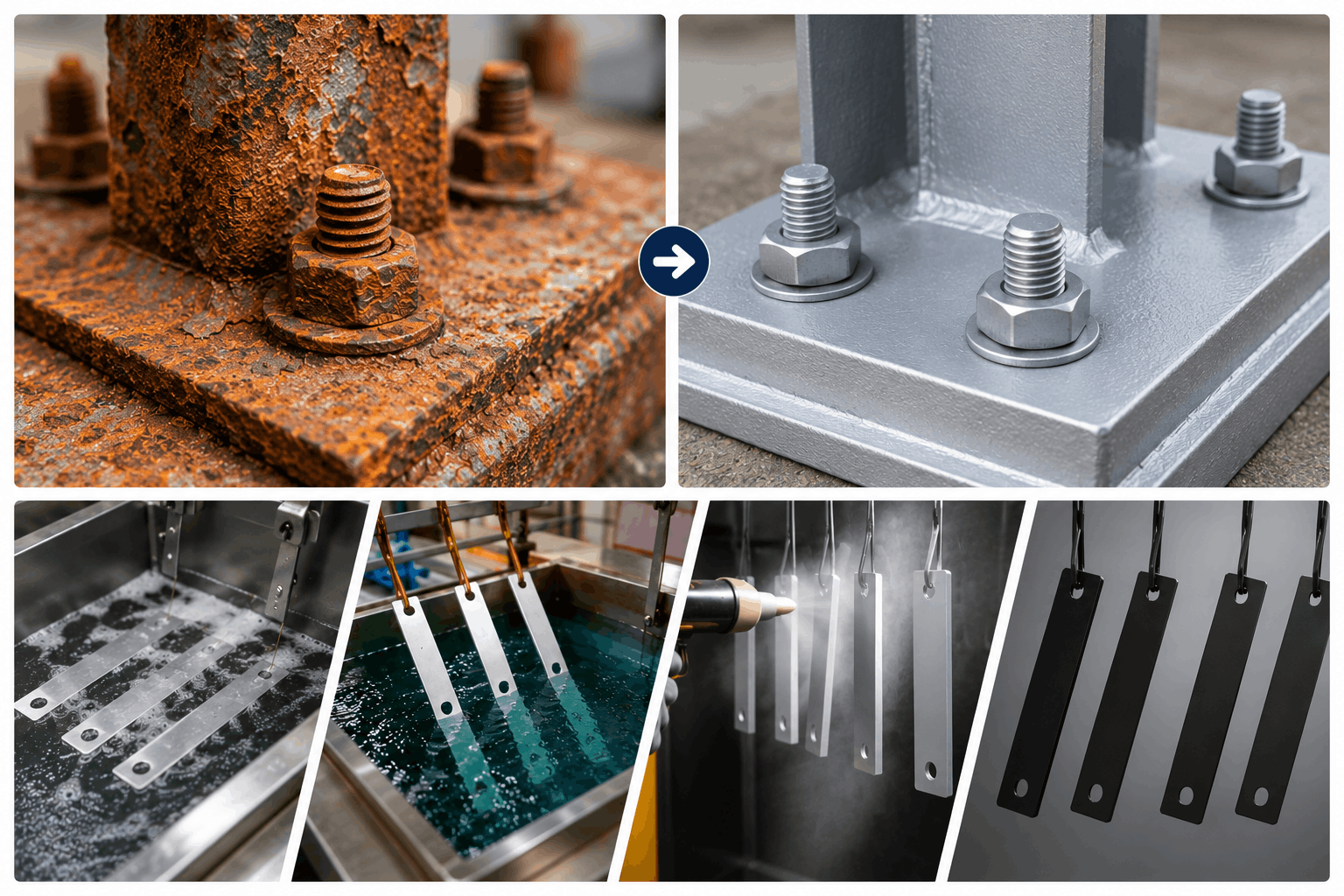
Latest Electroplating Innovations and Technologies in This Year

Electroplating technology continues to evolve rapidly, offering industries more efficient, sustainable, and high-performance coating solutions. In 2024, several new breakthroughs have emerged, reshaping how companies approach metal surface treatment. This article explores the latest trends in modern electroplating and their impact on industrial applications across Indonesia and beyond.
1. Eco-Friendly Electroplating Solutions
The shift toward sustainable manufacturing has driven the adoption of environmentally friendly electroplating chemicals. Traditional processes using cyanide are now being replaced by ionic liquids and biodegradable complexing agents. These safer alternatives reduce hazardous waste, enhance workplace safety, and meet international environmental standards.
2. Nanotechnology-Enhanced Coatings
Advances in electroplating nanotechnology allow ultra-thin, uniform coatings with improved functional performance. Nanostructured or nano-composite layers provide better corrosion resistance, surface hardness, and electrical conductivity—ideal for sectors like aerospace, electronics, and medical devices.
3. High-Throughput Plating Systems
To meet industrial-scale production demands, especially in automotive and electronics, modern factories are implementing high-throughput electroplating systems. These setups include automation, real-time monitoring, and optimized electrode configurations—delivering faster cycle times, consistent quality, and reduced process errors.
4. Pulse and Pulse-Reverse Plating
Unlike conventional direct current (DC) plating, pulse plating techniques alternate current flow to improve deposit quality. Pulse and pulse-reverse methods lower porosity, refine grain structure, and boost adhesion—making them ideal for applications with high mechanical stress.
5. Electroplating Combined with 3D Printing
Integrating 3D printing and electroplating opens new possibilities for producing custom-shaped, metal-coated parts. This hybrid approach enhances the strength and conductivity of 3D-printed components, and is growing in industries like aerospace, healthcare, and rapid prototyping.
6. Selective Electroplating Techniques
Selective electroplating allows manufacturers to apply coatings only on targeted areas, improving efficiency and functionality. Digital masking systems ensure precision plating—particularly useful in microelectronics where exact contact points must be coated.
7. Advanced Surface Finishing
New surface treatment methods such as laser texturing, ultrasonic agitation, and electropolishing enhance the final electroplated surface finish. These techniques boost corrosion resistance, reduce friction, and improve the visual appearance of plated components—ideal for both decorative and technical applications.
8. Smart Electroplating with IoT and AI
Smart electroplating systems integrate IoT sensors and AI-driven platforms to monitor and adjust plating parameters in real time. These systems track bath composition, temperature, and current flow—optimizing efficiency, predicting maintenance needs, and minimizing waste.
Conclusion: Future of Electroplating Technology
The electroplating landscape in 2024 highlights a strong shift toward innovation—from sustainable formulas to automated, intelligent systems. For industries in Jakarta, Surabaya, and across Indonesia, adopting high-quality electroplating solutions is essential to staying competitive in a demanding market. Companies that embrace these technologies can benefit from improved performance, reduced costs, and compliance with environmental regulations.
References
- "Green Innovations in Electroplating" – Journal of Cleaner Production
- "Nanotechnology in Electroplating" – Nanotech Insights
- "High-Throughput Electroplating Systems" – Advanced Manufacturing
- "Pulse and Pulse-Reverse Plating Techniques" – Electrochemical Society
- "3D Printing and Electroplating Integration" – Additive Manufacturing Magazine
- "Selective Electroplating Advances" – IEEE Transactions on Electronics Packaging Manufacturing
- "Improved Surface Finishing in Electroplating" – Surface Engineering
- "Smart Electroplating Systems" – Industrial IoT
Other Articles