Influence of Dipping in the Black Chromating Process

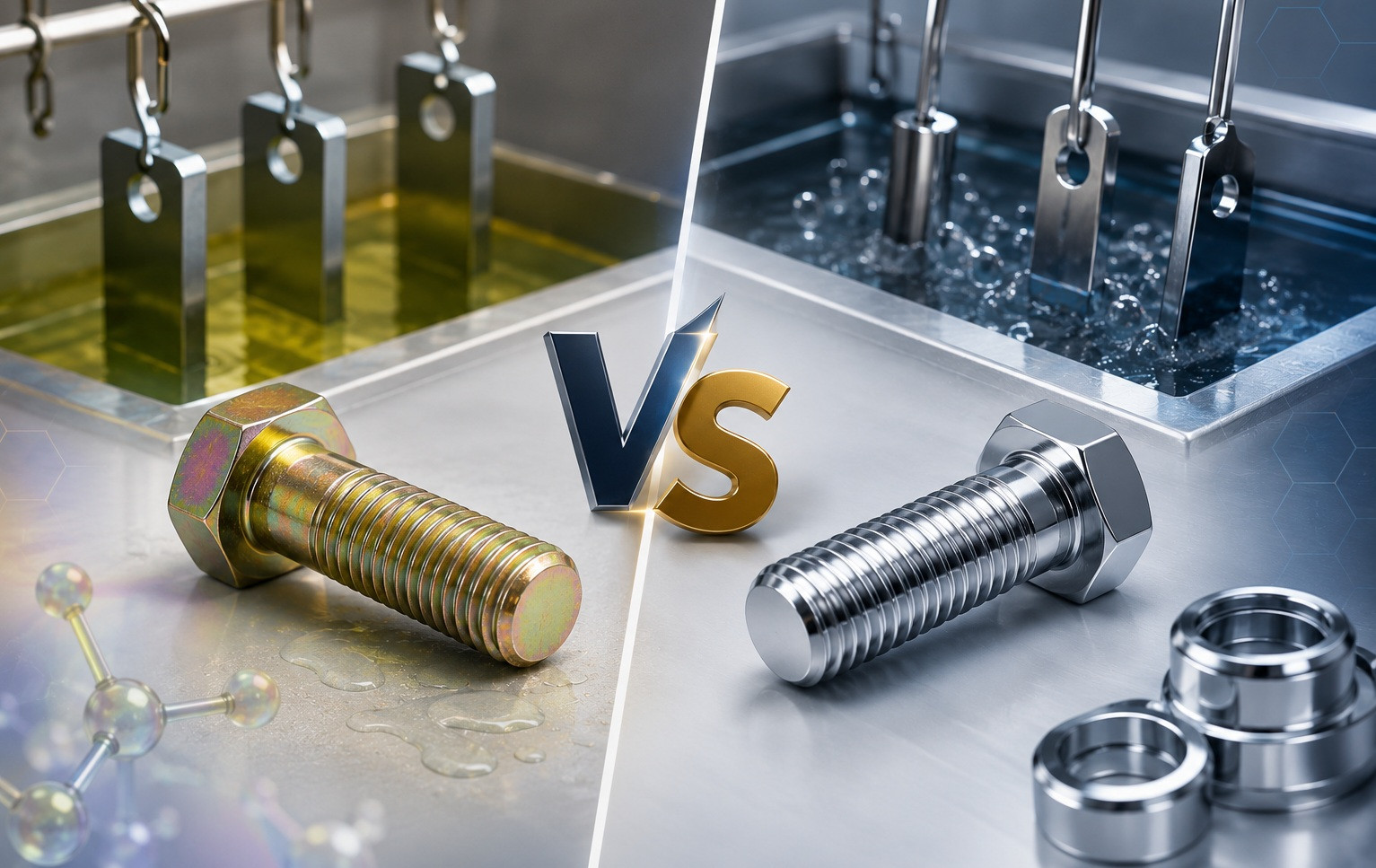
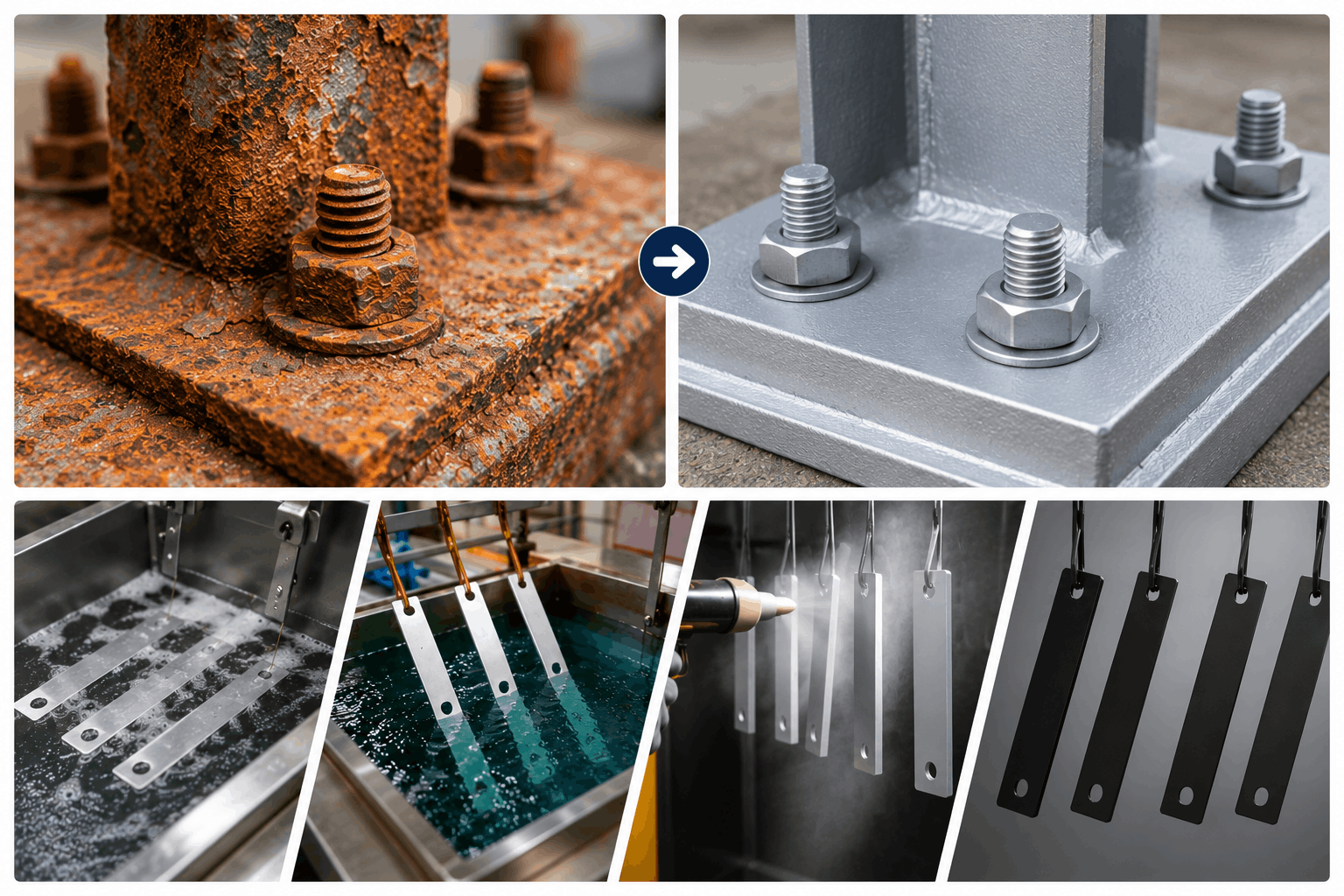
Black chromating is a crucial step in the electroplating process, providing a corrosion-resistant and decorative finish on metal parts. This technique uses the dipping method, where the metal is immersed in a chromate solution. Controlling dipping time is vital for achieving consistent and high-quality surface coatings.
Dipping Method in Electroplated Black Chromating
The dipping method ensures an even distribution of the chromate coating across metal surfaces. Accurate timing during immersion allows for optimal coating thickness and durability. This technique is widely used in surface finishing for its simplicity and effectiveness in metal treatment.
Why Dipping Time Affects Coating Quality
Dipping duration directly impacts the final layer’s thickness and performance. Short dipping may lead to poor protection, while overexposure can cause flaking or brittleness. For high-performance electroplated coatings, precise timing ensures corrosion resistance and visual consistency.
Solution Quality in Black Chromating
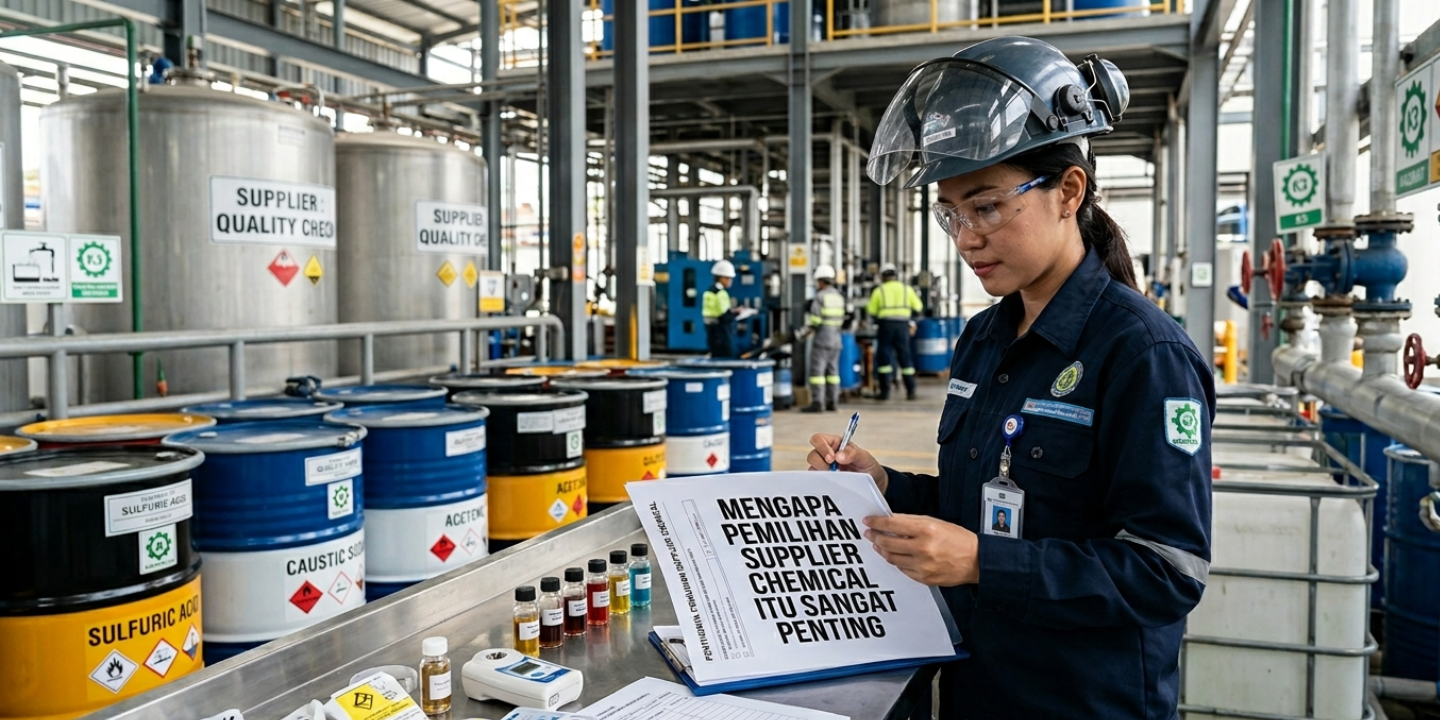
The chemical quality of the chromate solution plays a major role in the final results. A clean and properly balanced solution helps form a uniform, durable layer. Contaminated or weak solutions lead to defects in the protective coating, affecting both aesthetics and performance.
How Dipping Speed Influences Electroplating Results
Controlling the dipping speed is essential in preventing coating irregularities. Sudden or uneven movement during immersion may result in inconsistent coverage. Steady speed ensures the chromate bonds properly to the metal surface.
Role of Temperature in the Dipping Process
Solution temperature influences the chemical bonding process during black chromating. Operating within the correct temperature range enhances adhesion and coating formation. Too much heat may damage the layer; too little may reduce effectiveness.
Importance of Dipping Time Control
Consistent control of dipping duration is key to reliable coating results. Maintaining a standardized process allows manufacturers to meet industry requirements for corrosion-resistant finishes in various applications including automotive, aerospace, and electronics.
The quality of a black chromated surface depends heavily on managing time, temperature, and chemical balance during the dipping stage. Following surface treatment best practices ensures uniform coatings that meet both protective and visual standards in modern metal finishing.
References:
- Buchanan, R. (2018). Chromate Conversion Coatings: Fundamentals and Applications. Journal of Coatings Technology, 91(8), 101–107.
- The Welding Institute (TWI). (2016). Electroplating and Surface Finishing Processes. Cambridge: TWI.
- Park, J. H., & Lee, H. J. (2020). Surface Treatment and Coating Technologies for Metal Components. Materials Science and Engineering, 752, 145–152.
Other Articles