Electroplating for Durable, Stylish Laptop Cases

Electroplating plays a crucial role in the manufacturing of laptop casings, providing both aesthetic and functional benefits. As laptops become slimmer, more durable, and visually appealing, electroplating ensures that the metal parts of laptop casings meet these high standards. This process involves depositing a thin layer of metal onto the surface of the laptop casing, enhancing its appearance, durability, and resistance to corrosion. This article delves into the specifics of how electroplating is applied in the production of laptop casings and its advantages.
The Basics of Electroplating
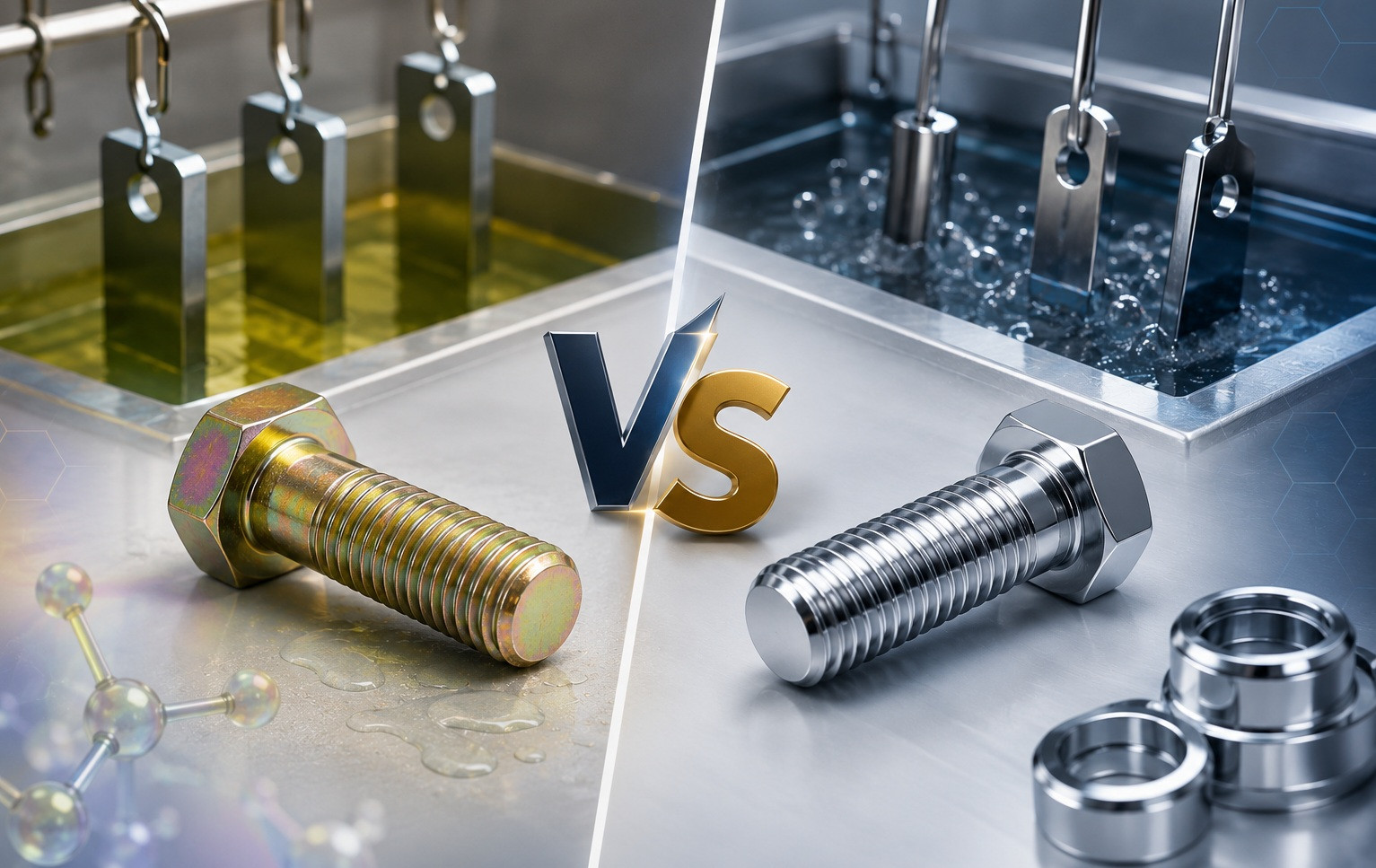
Electroplating is a process that uses an electric current to coat a conductive surface with a thin layer of metal. In the context of laptop casing manufacturing, the substrate, typically made of plastic or a metal alloy, is prepared through cleaning and etching. This preparation ensures that the electroplated layer adheres properly. The casing is then submerged in an electrolyte solution containing metal ions, and an electric current is applied. This causes the metal ions to deposit onto the substrate, forming a uniform and adherent metal coating.
Benefits of Electroplating Laptop Casings
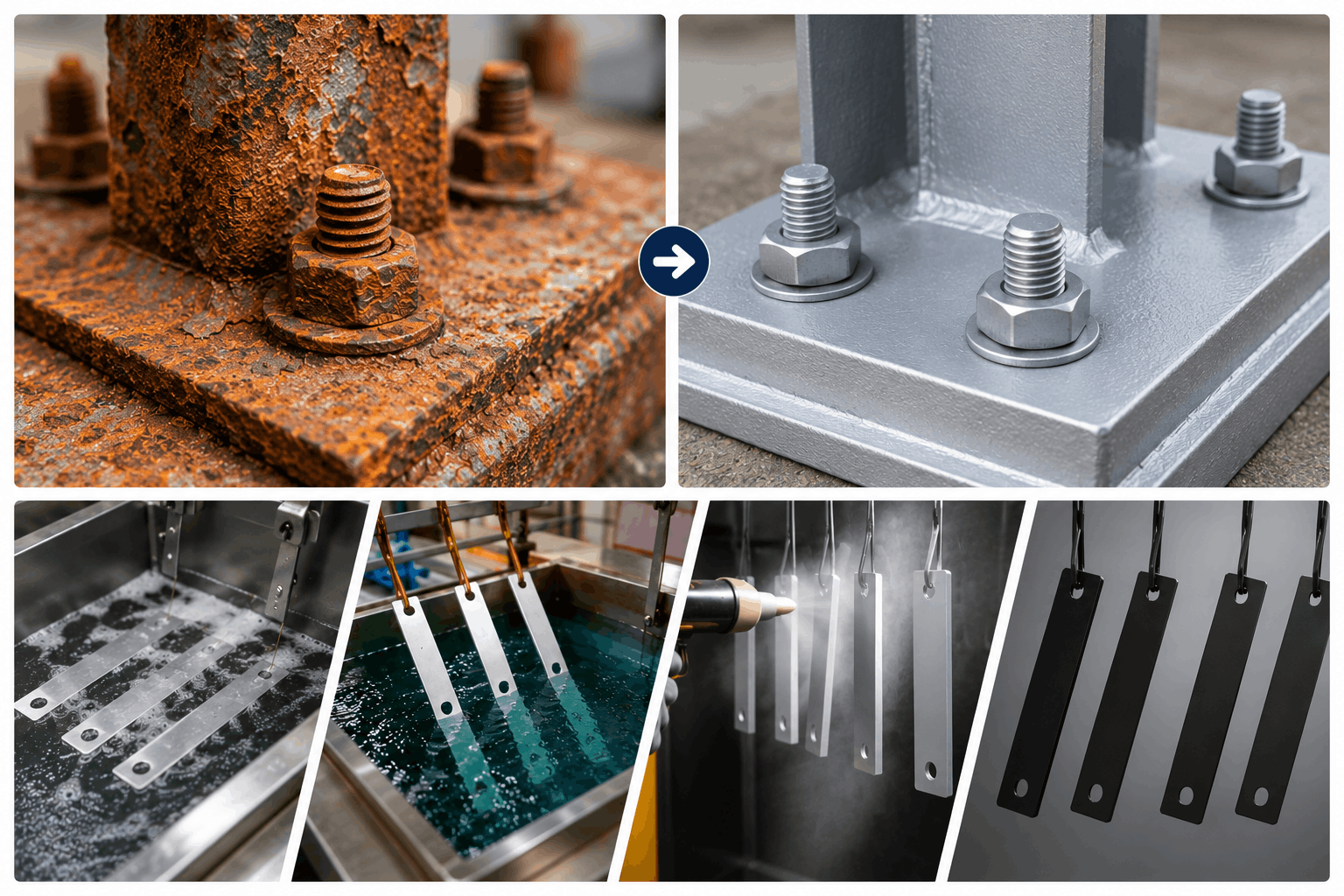
Electroplating laptop casings offer several significant benefits. Firstly, it enhances the aesthetic appeal of the device, providing a sleek, metallic finish that can be customized in various colors and textures. Secondly, electroplating increases the durability of the casing. The metal layer adds strength and resistance to wear and tear, which is essential for a device that undergoes constant handling. Additionally, the process improves corrosion resistance, protecting the laptop from environmental factors such as humidity and oxidation.
Types of Metals Used in Electroplating
Various metals can be used in the electroplating of laptop casings, each offering unique properties. Commonly used metals include nickel, chromium, and gold. Nickel provides a hard, durable coating that resists wear and corrosion. Chromium is often used for its bright, reflective finish and excellent hardness. Gold, although more expensive, offers superior conductivity and corrosion resistance, making it ideal for high-end models and connectors within the casing.
The Electroplating Process for Laptop Casings
The electroplating process for laptop casings involves several key steps. After the initial cleaning and etching, the casing is placed in an electrolyte bath containing the desired metal ions. An anode, typically made of the metal to be plated, and the laptop casing acting as the cathode are connected to a power supply. When the electric current flows, metal ions from the anode dissolve into the electrolyte solution and deposit onto the casing. The parameters of the process, such as current density and plating time, are carefully controlled to achieve the desired thickness and quality of the coating.
Quality Control in Electroplating
Quality control is a critical aspect of the electroplating process. Ensuring that the metal coating is uniform, adherent, and free from defects is essential for the performance and appearance of the laptop casing. Techniques such as X-ray fluorescence (XRF) and scanning electron microscopy (SEM) are used to analyze the thickness and composition of the electroplated layer. Regular inspections and testing throughout the process help maintain high standards and prevent issues such as peeling, cracking, or uneven coatings.
Environmental Considerations
The electroplating industry faces significant environmental challenges due to the use of hazardous chemicals and the generation of waste. In the manufacturing of laptop casings, it is crucial to implement environmentally friendly practices. This includes using less toxic alternatives, recycling and reusing plating solutions, and treating waste to neutralize harmful substances before disposal. Advances in green chemistry and sustainable technologies are helping to reduce the environmental impact of electroplating processes.
Future Trends in Electroplating for Laptop Casings
The future of electroplating in laptop casing manufacturing is likely to see further advancements in both technology and materials. Innovations such as nanotechnology and pulse electroplating are enhancing the quality and functionality of electroplated coatings. Additionally, the demand for environmentally sustainable processes is driving the development of new, less hazardous plating methods. As laptops continue to evolve, electroplating will remain a vital technology in producing high-performance, aesthetically pleasing, and durable devices.
Electroplating is a vital process in the manufacturing of laptop casings, offering numerous benefits such as improved durability, aesthetic appeal, and corrosion resistance. By understanding the intricacies of the electroplating process and the types of metals used, manufacturers can produce high-quality laptop casings that meet consumer demands. Continuous advancements in electroplating technology and environmentally friendly practices will further enhance the role of electroplating in the electronics industry.
Sources:
- "Electroplating for Electronics and Electrical Engineering" - Electroplating Journal
- "Advances in Electroplating Technology" - Surface Engineering
- "Environmental Impact of Electroplating" - Green Chemistry Letters and Reviews
- "Nanotechnology in Electroplating" - Nanotech Insights
Other Articles