Electroless Nickel Plating and Factors Influencing Coating Quality

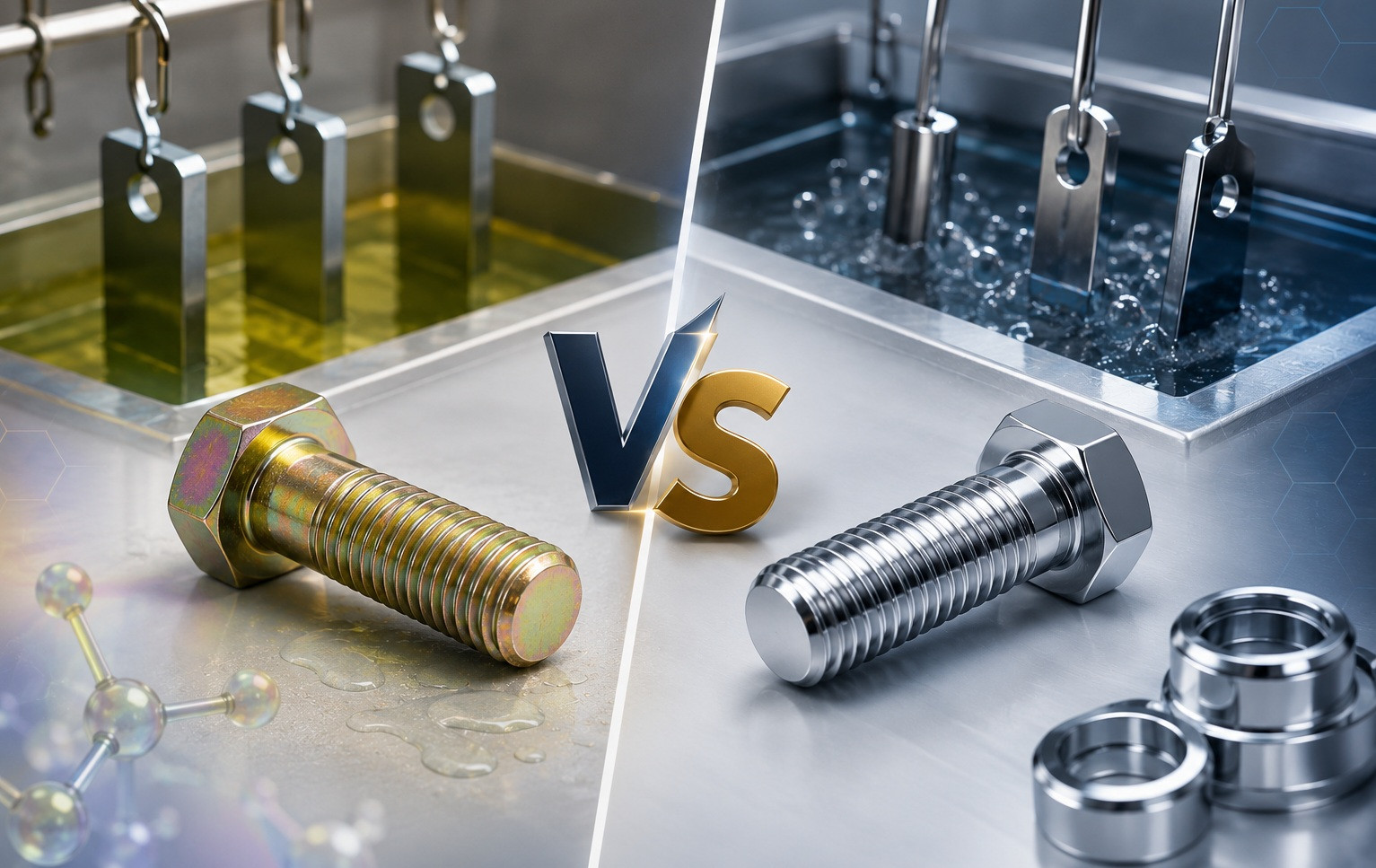
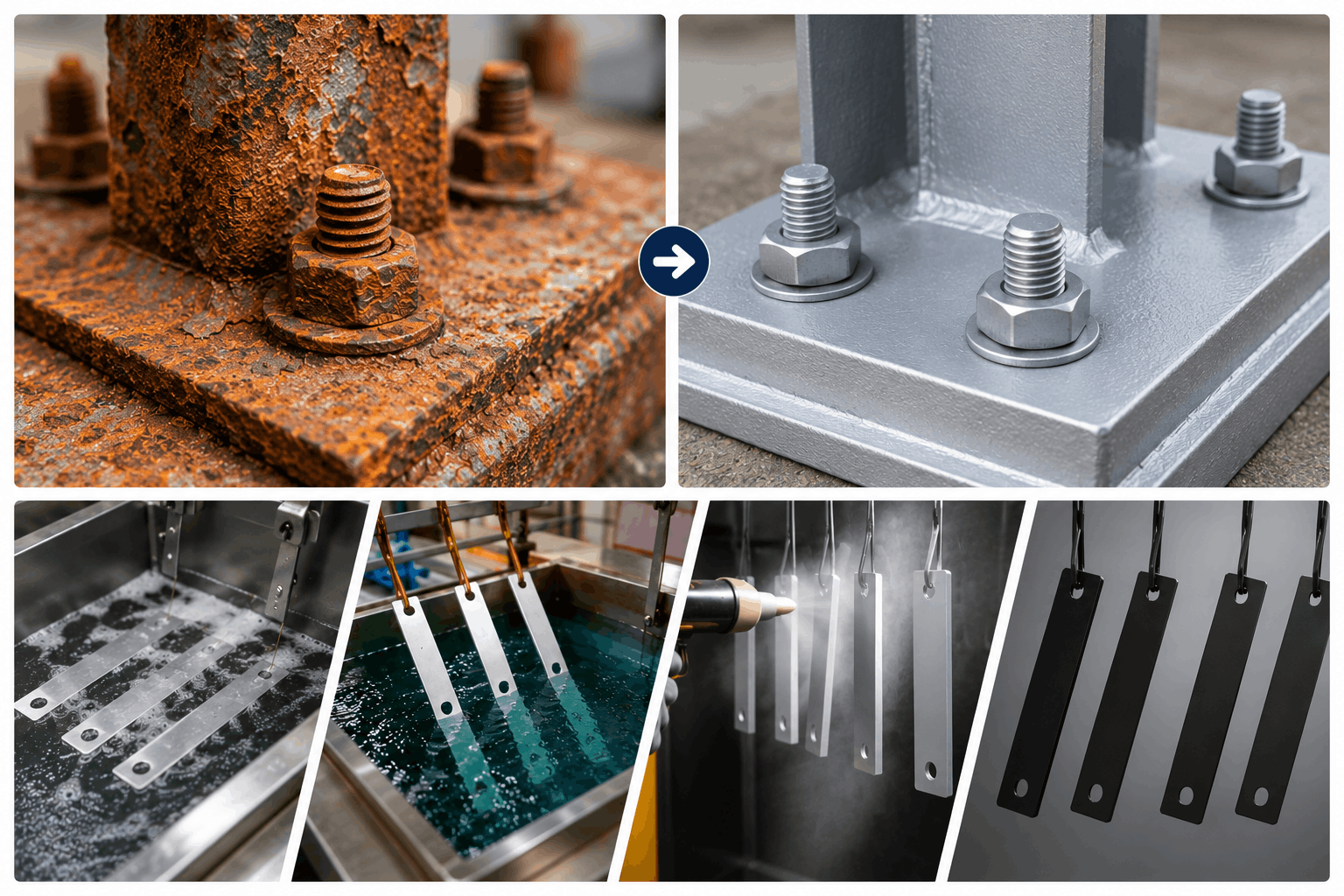
Electroless nickel plating is a transformative electroplating method that deposits uniform nickel layers without electric current. Ideal for complex industrial parts, it enhances corrosion resistance and mechanical durability while achieving even coverage on difficult geometries.
Effective Surface Preparation Steps
Before the electroless nickel bath, components must be thoroughly degreased and lightly acid‑etched to eliminate oils, mill scale, and residue. This ensures strong adhesion and reduces risk of peeling or coating defects during plating.
Balanced Plating Solution Mixture
The plating bath contains nickel salts, reducing agents, stabilizers, and pH buffers. Controlling the concentration of these chemicals and timing ensures a smooth nickel‑phosphorus deposit with consistent thickness across all surfaces.
Maintain Proper Bath Temperature
Operating temperature typically ranges from 85 °C to 95 °C. This range optimizes reaction speed without degrading the bath chemistry. Accurate thermoregulation prevents rough deposits and supports uniform layer quality.
pH Control for Consistency
Maintaining a pH between roughly 4 and 6 avoids nodule formation or uneven deposition. Buffering with mild agents like ammonia or organic acids helps stabilize the solution and maintain plating performance.
Adjust Phosphorus Content Properly
Choosing the correct phosphorus level tailors coating properties: low phosphorus gives hardness and wear resistance, while high phosphorus enhances corrosion protection. This adaptability suits broad industrial requirements.
Innovations in Bath Stabilizers
Modern electroless nickel baths use advanced stabilizers and surfactants to minimize particle contamination and improve wetting on intricate surfaces. These updates make plating more reliable and less prone to defects.
Applications and Future Directions
Electroless nickel plating is widely used in automotive, electronics, oil and gas, and aerospace. Ongoing improvements continue to optimize solution life, bath control, and part performance, ensuring relevance in demanding industries.
Final Thoughts on Electroplating
Understanding fundamental plating factors—preparation, chemistry, temperature, and stabilization—empowers manufacturers to achieve high‑quality, durable electroless nickel coatings. With proper process control, this plating method remains essential for advanced industrial applications.
References:
- Lee, K. H., & Chen, S. W. (2022). “Eco‑friendly Electroless Nickel Baths.” Surface Coatings Tech. https://doi.org/10.1016/j.surfcoat.2022.128900
- Martínez, J. P., et al. (2021). “Bath Additives for Smoother Coatings.” Plating World Journal. https://doi.org/10.1007/s11998-021-00512-4
- Kumar, A., & Singh, R. (2020). “pH Stabilization in Nickel Plating.” Journal of Materials Engineering. https://doi.org/10.1016/j.jmateng.2020.100211
- Wang, Y. L., et al. (2023). “Temperature Effects in Nickel‑Phosphorus Baths.” Metal Finishing Review. https://doi.org/10.1016/j.metfinish.2023.01.002
- Garcia, L. M., et al. (2024). “Next‑Gen Stabilizers in Electroless Plating.” Industrial Coatings Today. https://doi.org/10.1016/j.indcoat.2024.03.005
Other Articles