Black Chromating with and without Sealer

Black chromating is a widely used process in the electroplating industry, particularly for enhancing the corrosion resistance and aesthetic appeal of metal surfaces. The application of a sealer after the chromating process can significantly influence the performance characteristics of the final product. Understanding the differences between black chromating with and without a sealer is crucial for manufacturers who aim to optimize their processes for specific applications. This article provides a detailed explanation of the black chromating process, comparing the effects of using a sealer versus not using one, and discussing the implications for durability, appearance, and overall quality.
Fundamentals of Black Chromating
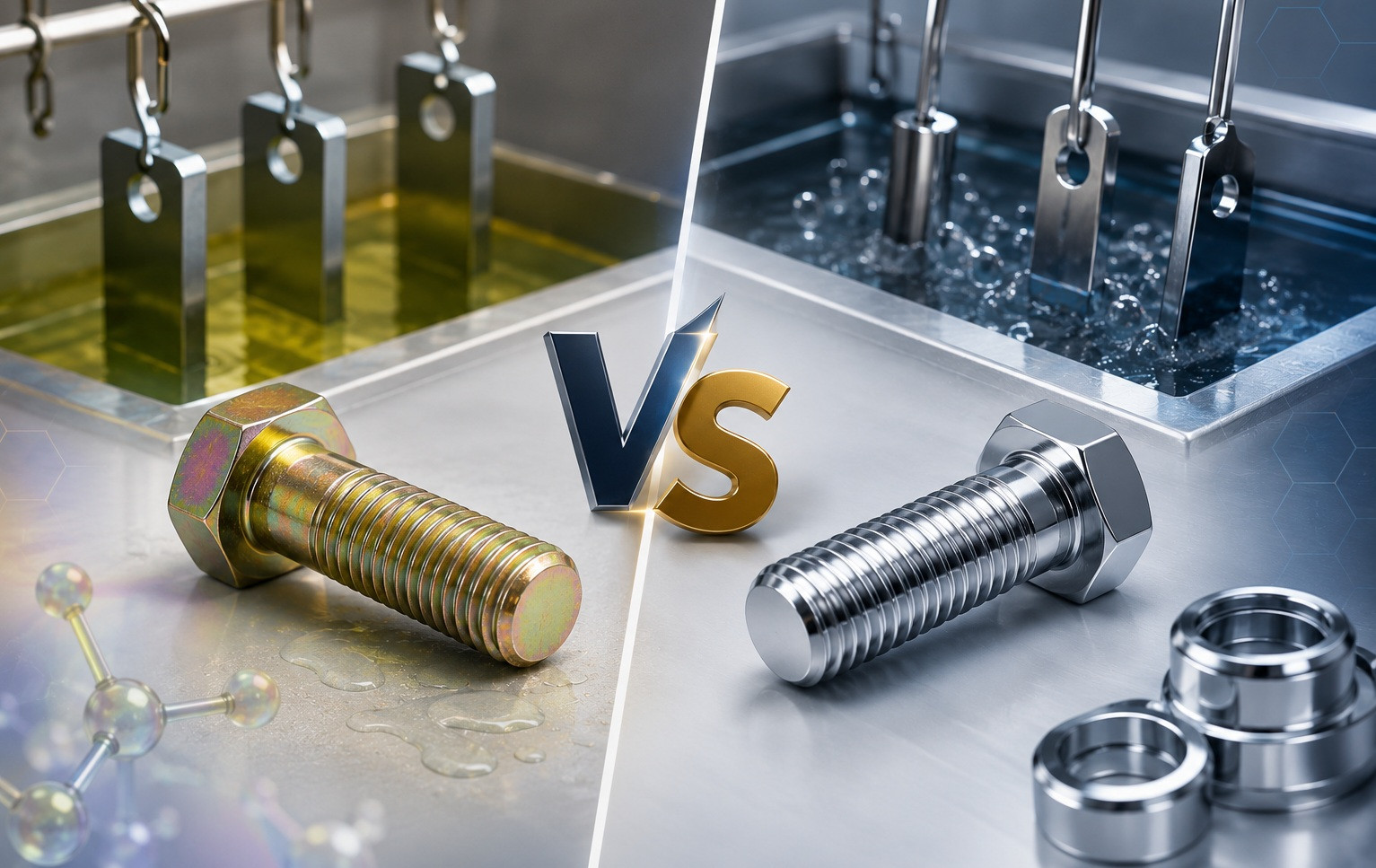
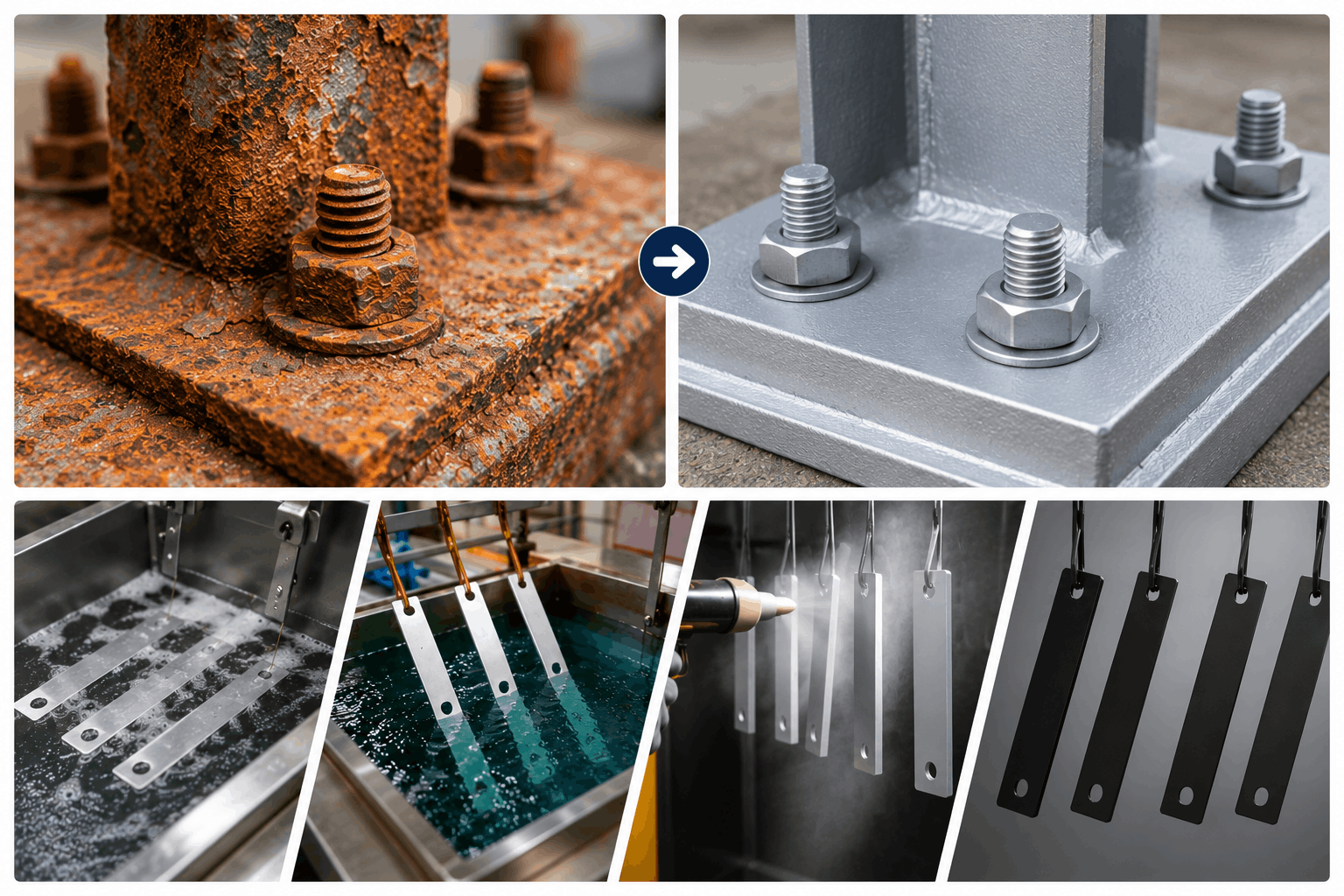
Black chromating is a type of conversion coating applied to metals, particularly zinc and zinc alloys, to enhance corrosion resistance and provide a black finish. The process involves immersing the metal substrate in a chromate solution, which forms a thin, protective layer of chromate compounds on the surface. This layer acts as a barrier against environmental factors such as moisture and chemicals, reducing the likelihood of corrosion. Black chromating is commonly used in the automotive, aerospace, and electronics industries, where both protection and appearance are critical.
The Role of Sealers in Black Chromating
A sealer is an additional protective layer applied over the chromate coating. Its purpose is to further improve corrosion resistance, durability, and overall performance. Sealers can be made from various materials, including organic polymers, silicates, and nanocomposite coatings. These materials fill in microscopic pores and imperfections in the chromate layer, providing an extra layer of defense against environmental degradation.
Black Chromating with Sealer: Benefits and Applications
Applying a sealer after black chromating offers several important benefits. It significantly enhances corrosion resistance, making it ideal for harsh environments. The sealer also improves wear resistance, which is crucial for components subject to friction or frequent handling. Additionally, sealers can improve the visual appeal of the surface, delivering a more uniform and glossy black finish. Black chromating with sealer is especially suitable for automotive trim, electronic housings, and high-end consumer products.
Black Chromating without Sealer: When Is It Suitable?
While sealers offer enhanced protection, there are situations where black chromating without a sealer may be more appropriate. For applications with limited exposure to harsh environments or short product life cycles, the added protection of a sealer may be unnecessary. In such cases, omitting the sealer can help reduce production costs and time. Black chromating without a sealer still provides a degree of corrosion protection and an acceptable black appearance for indoor or low-demand applications.
Comparative Performance Analysis
When comparing black chromating with and without sealer, the most noticeable differences are in corrosion resistance and durability. Surfaces treated with a sealer show much better performance in salt spray tests, maintaining their integrity for longer periods. The sealer also helps reduce surface wear, discoloration, and fading over time. However, manufacturers must weigh these benefits against the added cost and processing time involved in applying a sealer.
Recent Advancements in Black Chromating Technologies
Recent developments in black chromating have focused on improving both chromate coatings and sealers. Innovations include the use of trivalent chromium instead of hexavalent chromium, making the process more environmentally friendly. New sealer formulations offer improved adhesion, lower environmental impact, and better performance. Process enhancements, such as controlled application techniques and advanced surface preparation, have also improved the quality and reliability of black chromating with sealer.
Quality Control and Best Practices
To ensure high-quality results, strict quality control is necessary—regardless of whether a sealer is used. This includes proper surface preparation, accurate bath parameter control, and consistent sealer application when used. Routine testing, such as salt spray and adhesion tests, ensures that the coating meets required performance standards. Best practices also involve selecting the appropriate type of sealer for the intended application and maintaining the chromating and sealing baths to prevent contamination and performance issues.
Black chromating remains a versatile and valuable surface treatment in the electroplating industry. The choice to apply a sealer depends on the specific requirements of the application, including desired durability, appearance, and corrosion resistance. While black chromating with a sealer provides superior performance for demanding conditions, skipping the sealer may be sufficient—and more cost-effective—for lighter-duty use. As technology continues to evolve, manufacturers have increasing options to tailor black chromating processes to their exact needs.
References
- "Advances in Black Chromating for Corrosion Protection" – Journal of Surface Engineering
- "The Role of Sealers in Chromate Conversion Coatings" – Coatings Technology Magazine
- "Comparative Study of Sealed vs. Unsealed Chromate Coatings" – Surface and Coatings Science
- "Recent Developments in Trivalent Chromating" – Green Chemistry in Electroplating
- "Best Practices in Electroplating: Quality Control and Process Optimization" – Industrial Surface Finishing Review
Other Articles