Why Rectifiers Matter in Electroplating

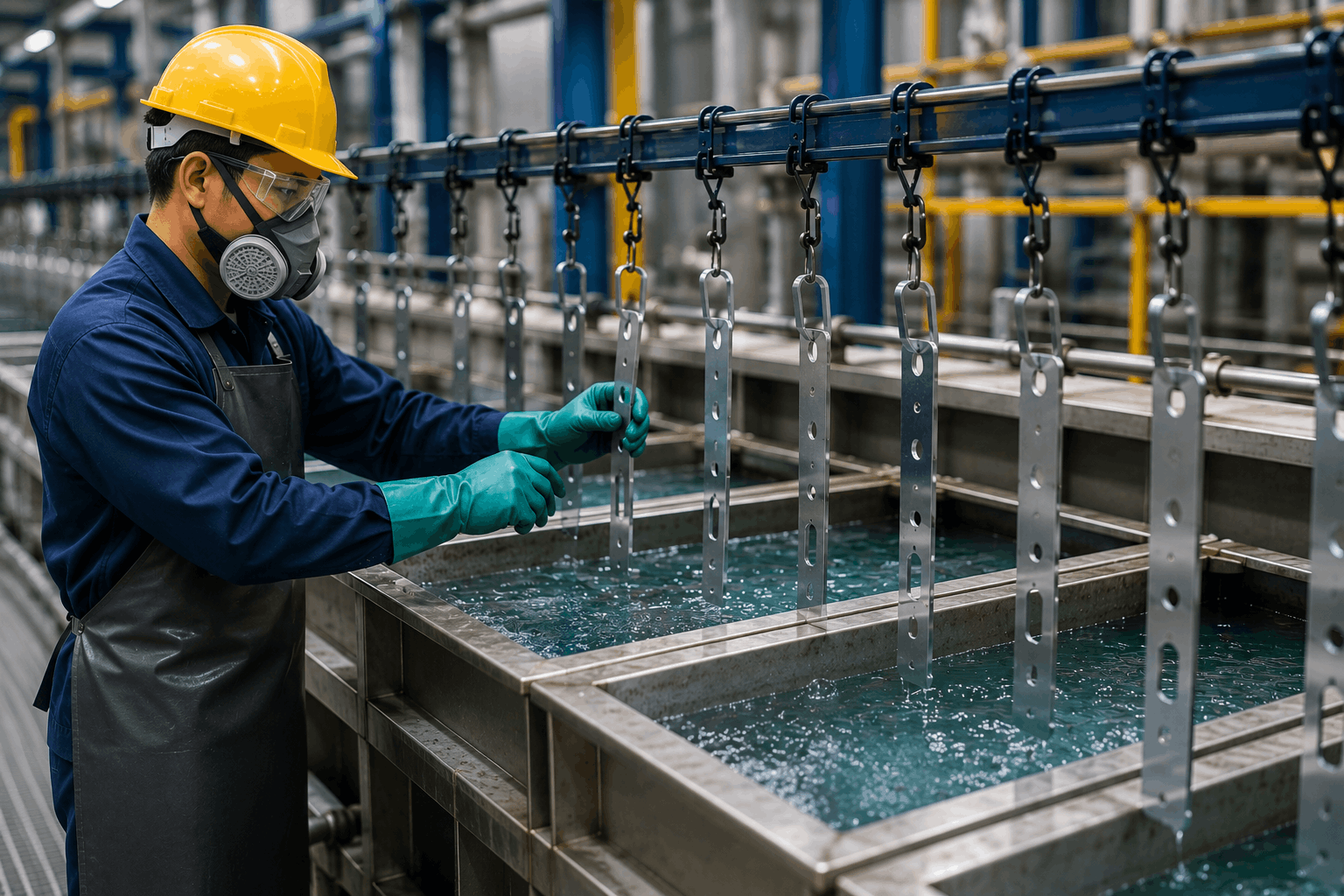
Electroplating relies heavily on precision control of electrical currents to deposit a thin metal coating onto a substrate. Rectifiers play a critical role in this process by converting alternating current (AC) into direct current (DC), ensuring uniform plating results. This article explores rectifiers in depth, including their types, importance, and the reasons they are essential in modern electroplating processes. Rectifiers ensure quality outcomes, maximize efficiency, and support various plating applications.
Precise Current Control
Rectifiers allow precise control over the voltage and current used during electroplating. Uniform current ensures the even deposition of metal layers, avoiding defects like pits, burns, or uneven thickness. Controlling the current also prevents over-plating, which wastes material.
Enhanced Plating Quality and Efficiency
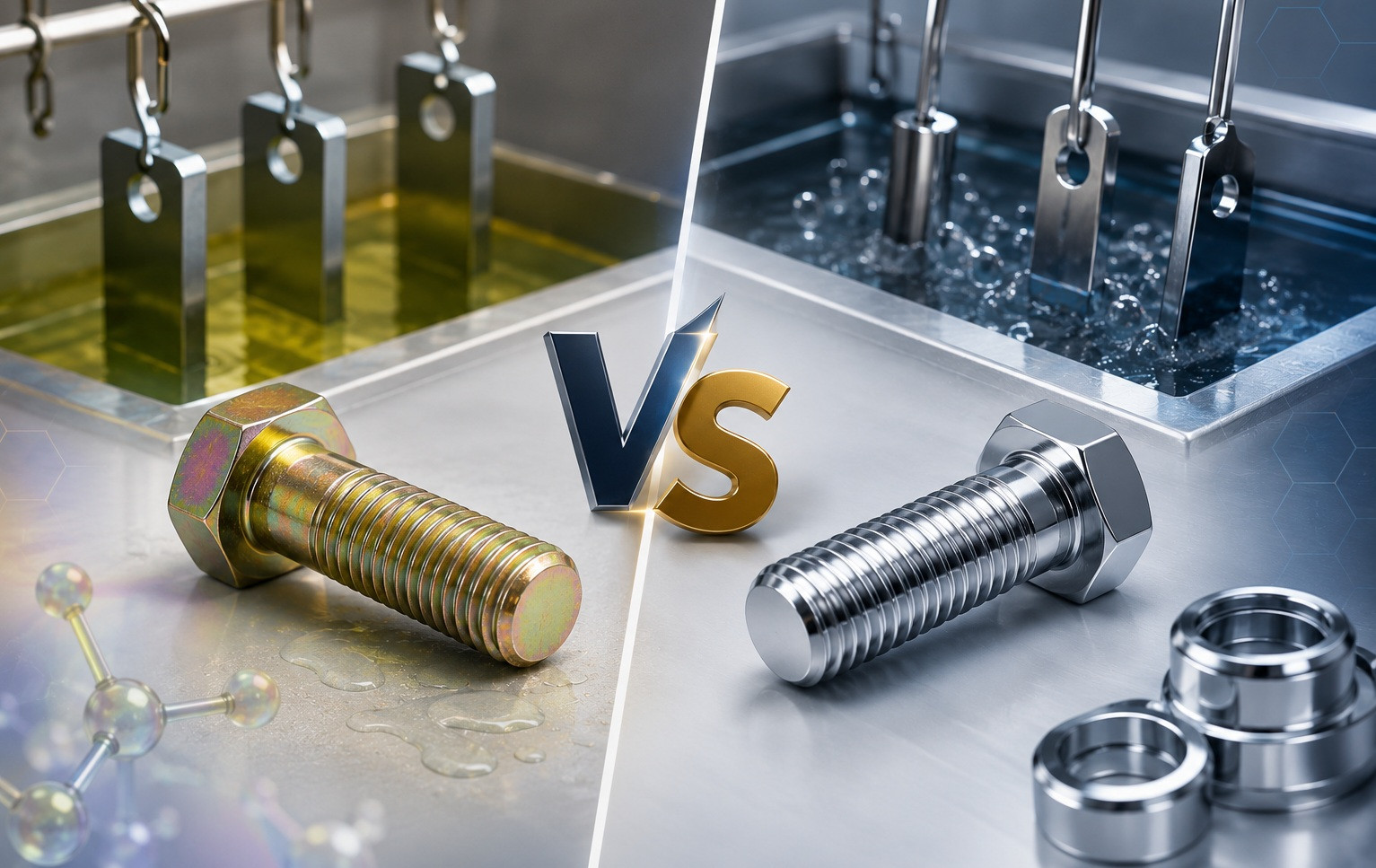
Different materials like copper, nickel, zinc, and chrome require specific voltage and current ranges for optimal adhesion. Rectifiers can be fine-tuned to meet the exact parameters for each metal, improving efficiency and producing high-quality, durable coatings.
Support for Pulse Plating Technologies
Some advanced rectifiers can deliver pulsed currents, which alternate between high and low voltage. Pulse plating enhances adhesion and reduces internal stress, making it ideal for applications like hard chrome plating, where performance and longevity are critical.
Adaptability to Different Applications
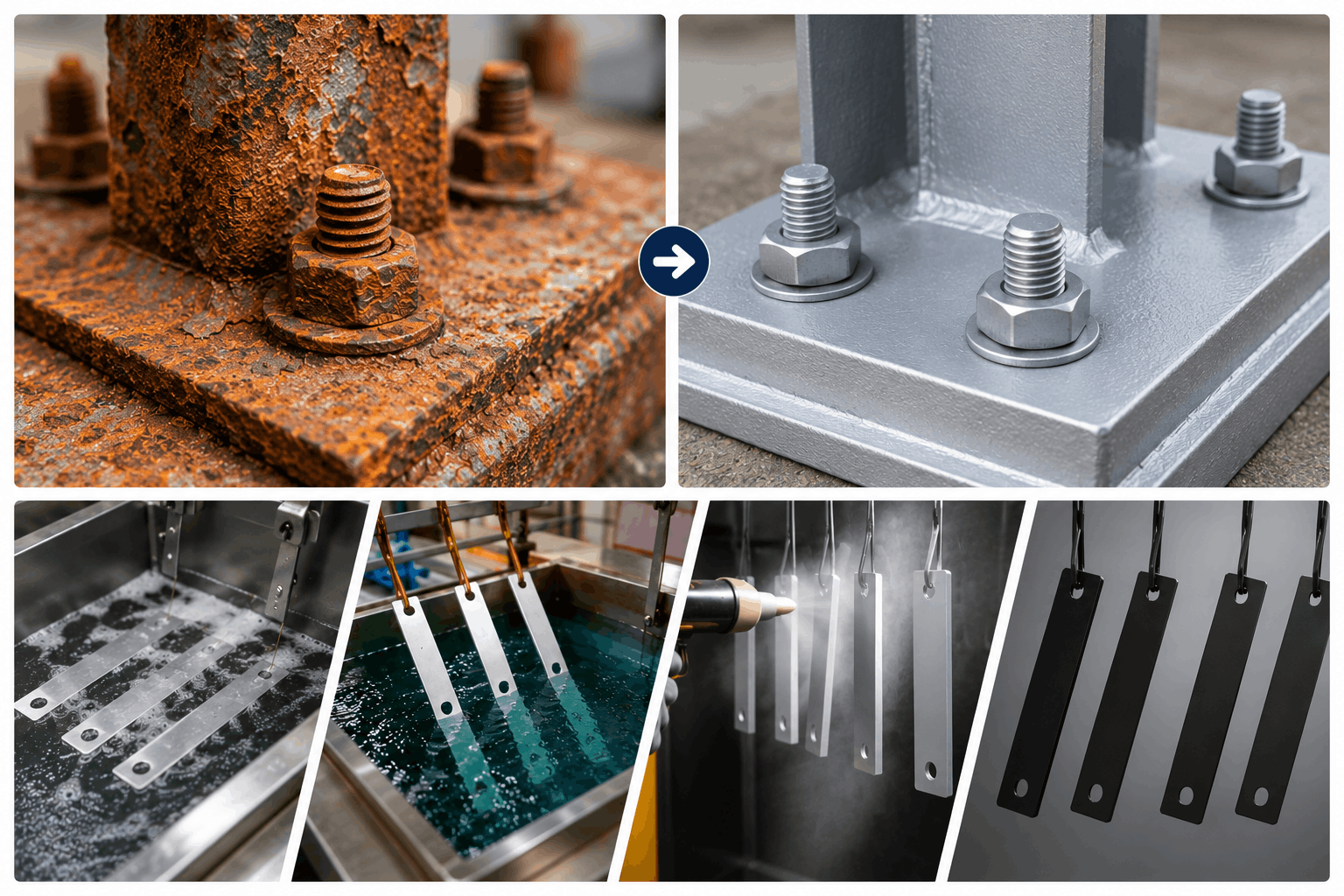
Modern rectifiers are designed to work with various electroplating setups, from small-scale laboratories to large industrial operations. They can handle processes such as decorative, functional, or corrosion-resistant plating, making them essential for industries like automotive, aerospace, and electronics.
Energy Efficiency and Cost Savings
The latest rectifiers are equipped with energy-saving features, reducing operational costs. Their ability to operate at high efficiency minimizes power loss, which is especially important in high-volume operations where energy consumption is a concern.
Stable Power Delivery for Consistent Results
Stability is crucial for long plating cycles, such as hard chrome or zinc-nickel processes. High-quality rectifiers provide consistent current throughout the plating process, reducing variability and ensuring predictable, repeatable results.
Digital Control and Monitoring Capabilities
Modern rectifiers come with digital interfaces that allow operators to monitor and adjust parameters in real time. Some models offer remote control, enabling operators to manage operations efficiently from anywhere. Data logging capabilities also help in quality control and process optimization.
Rectifiers are indispensable components in the electroplating industry, providing precise current control, enhancing plating quality, and supporting energy efficiency. Their adaptability to different applications and ability to deliver consistent results make them a crucial element in achieving the best plating outcomes. Advanced features such as digital interfaces and pulse plating capabilities further increase their value. PT Sinar Cemaramas Abadi ensures that businesses have access to reliable and efficient rectifiers, empowering them to stay competitive in a demanding market.
References
- "Electroplating Process Fundamentals" – Surface Finishing Journal
- "The Role of Rectifiers in Modern Electroplating" – Metal Finishing Today
- "Advancements in Pulse Plating Technology" – International Electroplating Association
- "Energy-Efficient Rectifiers for Industrial Applications" – Power Electronics Review
- "Practical Applications of Rectifiers in Electroplating" – Surface Technology Magazine
Other Articles