Warehouse Management Strategies in Electroplating Industry

Effective warehouse management is essential in the electroplating industry to ensure smooth operations, maintain quality, and meet safety standards. Warehousing in this sector involves the storage and handling of raw materials, chemicals, finished products, and equipment. Recent advancements in warehouse management systems (WMS), safety protocols, and sustainability practices have significantly improved efficiency and safety in electroplating warehouses. This article explores the latest trends and best practices in warehouse management within the electroplating industry.
Importance of Warehouse Management
Warehouse management is a critical component of the supply chain in the electroplating industry. Proper management ensures that materials are stored safely and efficiently, reducing the risk of contamination, damage, and accidents. It also helps in maintaining inventory accuracy, optimizing space utilization, and ensuring timely delivery of materials to the production line. Effective warehouse management can lead to significant cost savings, improved productivity, and enhanced customer satisfaction.
Warehouse Management Systems (WMS)
Warehouse Management Systems (WMS) have revolutionized warehouse operations by automating and optimizing various processes. In the electroplating industry, WMS can manage inventory levels, track the movement of materials, and generate real-time data on warehouse activities. These systems help in reducing manual errors, improving inventory accuracy, and enhancing overall efficiency. WMS can also integrate with other enterprise systems, providing a seamless flow of information across the organization.
Safety Protocols and Regulations
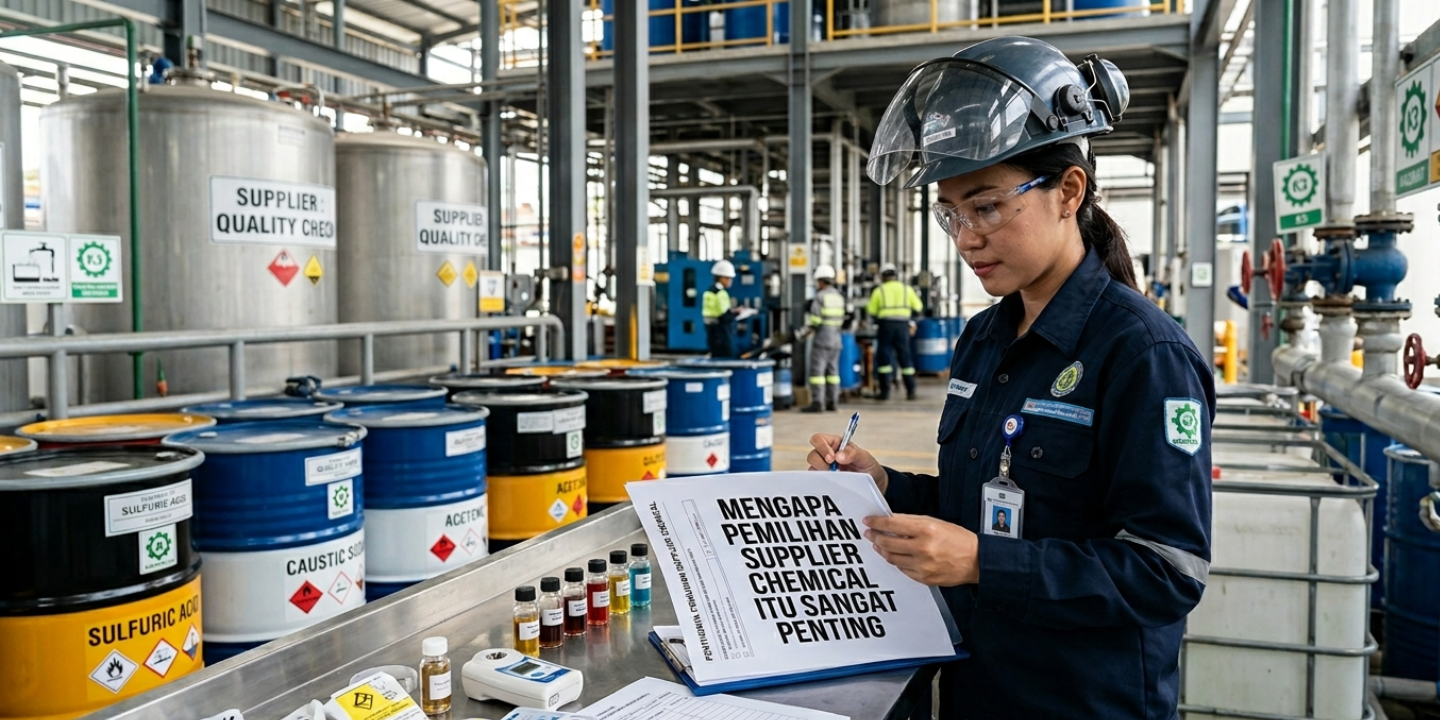
Safety is a paramount concern in electroplating warehouses due to the handling of hazardous chemicals and materials. Recent advancements in safety protocols and regulations have focused on improving the safe storage and handling of these materials. This includes the use of proper labeling, secondary containment systems, and regular safety audits. Training programs for warehouse staff on the safe handling of chemicals and emergency response procedures are also essential to ensure compliance with safety standards.
Inventory Management and Control
Effective inventory management is crucial for maintaining the smooth operation of electroplating warehouses. This involves tracking inventory levels, monitoring stock movements, and ensuring that materials are available when needed. Techniques such as Just-In-Time (JIT) inventory, ABC analysis, and cycle counting are commonly used to optimize inventory management. These practices help in reducing excess inventory, minimizing storage costs, and improving cash flow.
Space Optimization and Layout Planning
Optimizing warehouse space and layout is essential for improving efficiency and reducing operational costs. In the electroplating industry, this involves designing the warehouse layout to facilitate easy access to materials, reducing travel time, and maximizing storage capacity. Techniques such as vertical storage, modular shelving, and efficient aisle designs can significantly enhance space utilization. Proper layout planning also helps in maintaining a safe and organized warehouse environment.
Environmental and Sustainability Practices
Environmental sustainability is becoming increasingly important in the electroplating industry. Warehouses play a crucial role in implementing sustainable practices such as waste reduction, energy efficiency, and recycling. This includes using energy-efficient lighting and equipment, recycling packaging materials, and reducing waste through proper inventory management. Implementing green practices not only helps in reducing the environmental impact but also enhances the company’s reputation and compliance with environmental regulations.
Future Trends and Innovations
The future of warehouse management in the electroplating industry is likely to be shaped by ongoing advancements in technology and sustainability. Innovations such as the Internet of Things (IoT), artificial intelligence (AI), and blockchain are expected to further enhance warehouse operations. IoT devices can provide real-time monitoring and tracking of materials, while AI can optimize warehouse processes through predictive analytics. Blockchain technology can improve transparency and traceability in the supply chain, ensuring the integrity of materials and processes.
Effective warehouse management is crucial for the success of electroplating operations. Recent advancements in WMS, safety protocols, and sustainability practices have significantly improved the efficiency and safety of warehouses in the electroplating industry. By adopting these best practices and leveraging new technologies, electroplating companies can enhance their operational performance, reduce costs, and meet the growing demands of the market. As the industry continues to evolve, innovative warehouse management solutions will play a vital role in driving future growth and success.
References
- "Advancements in Warehouse Management Systems" – Supply Chain Management Review
- "Safety Standards in Chemical Warehousing" – Occupational Health & Safety
- "Sustainability in Warehouse Management" – GreenBiz
Other Articles