Tips for Ensuring the Correct Use of PPE in Electroplating

Personal Protective Equipment (PPE) plays a vital role in ensuring worker safety in the electroplating industry. Proper use and maintenance of PPE protect workers from harmful exposure to chemical and physical hazards. This guide offers practical tips for effective PPE usage in plating operations.
Understanding Hazards in the Electroplating Industry
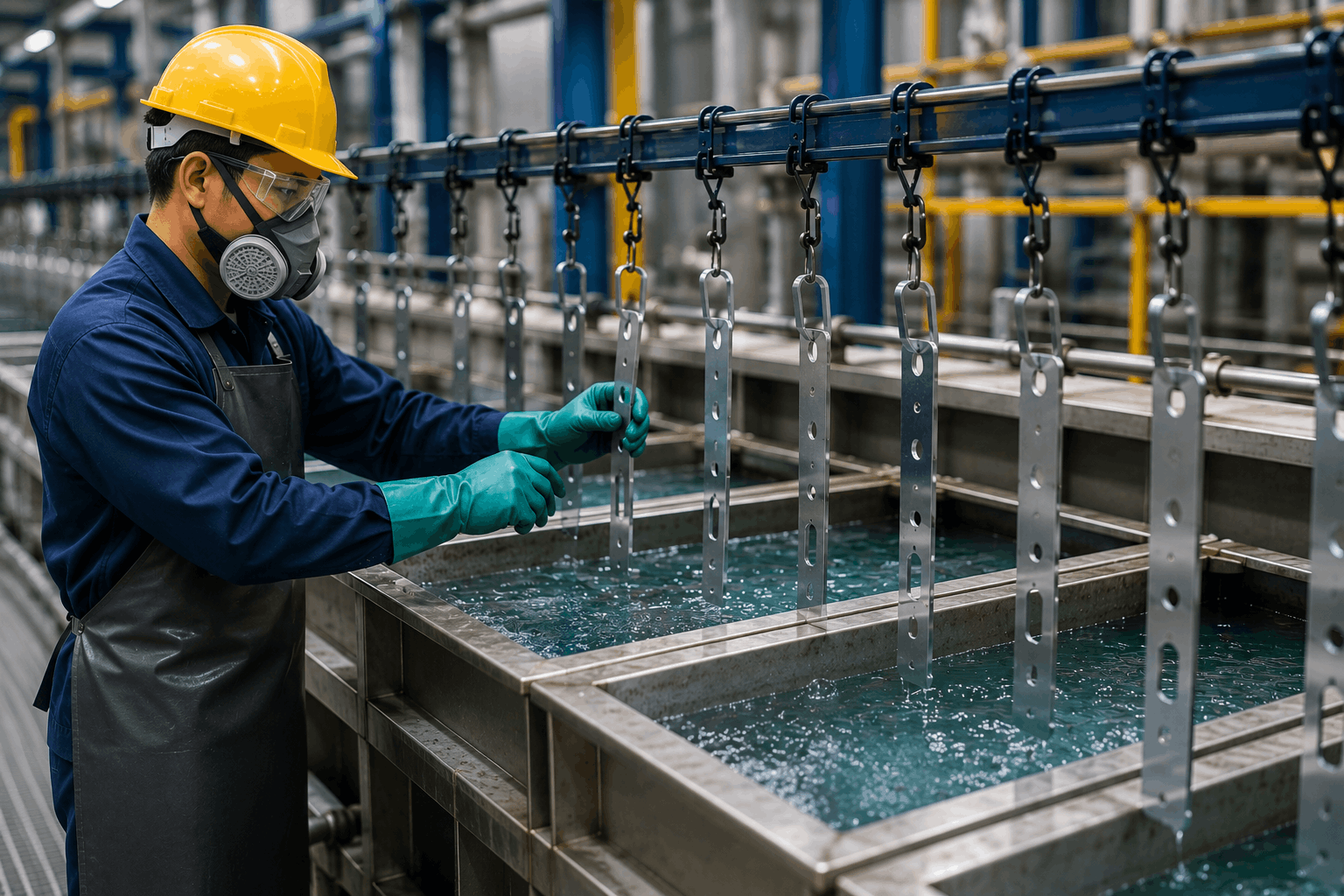
The electroplating process involves dangerous substances like acids, cyanides, and heavy metals. Without adequate PPE for chemical safety, workers are at risk of chemical burns, respiratory problems, or toxic exposure. Awareness of these hazards is the first step toward proper protection.
Selecting the Right PPE for Electroplating
Choosing chemical-resistant PPE is essential. This includes gloves, goggles, face shields, masks, and coveralls specifically rated for the chemicals in use. The correct equipment ensures optimal protection during plating, rinsing, and surface preparation stages.
PPE Training for Electroplating Workers
Employees must be trained in proper PPE usage. Training should cover how to wear, remove, and inspect equipment, as well as how to respond to exposure incidents. Ongoing education improves compliance and reduces workplace accidents.
PPE Maintenance and Inspection
Regular inspection and maintenance of PPE are crucial. Worn-out gloves or cracked goggles can compromise safety. Workers should routinely check their equipment and replace any items that are damaged or no longer effective.
Monitoring and Enforcing PPE Compliance
Supervisors must actively monitor PPE compliance on the shop floor. This ensures workers follow safety protocols and reinforces a culture of accountability in hazardous work environments.
Timely Replacement of Damaged PPE
Damaged PPE should never be reused. Establishing a routine for PPE replacement helps maintain safety standards. Stocking backup equipment ensures there is no excuse for non-compliance.
Building Safety Awareness in the Workplace
Promoting safety culture within plating facilities is just as important as providing PPE. Employees who understand the risks and see management’s commitment to safety are more likely to use PPE correctly and consistently.
Proper PPE in electroplating is not just a requirement—it's a life-saving necessity. From correct selection and usage to maintenance and monitoring, every step contributes to a safer working environment for all plating personnel.
References:
- International Labour Organization (ILO). (2014). Safety and Health in the Use of Chemicals at Work. Geneva: ILO Publications.
- Occupational Safety and Health Administration (OSHA). (2021). Personal Protective Equipment (PPE) in the Workplace. Washington, D.C.: U.S. Department of Labor.
- United States Environmental Protection Agency (EPA). (2019). Protecting Workers from Chemical Hazards. Washington, D.C.: EPA Publications.
Other Articles