HR Trends in Electroplating Workforce Potential

Human Resource (HR) management plays a crucial role in supporting the growth, productivity, and sustainability of the electroplating industry. As this sector evolves with new technologies, environmental regulations, and demands for specialized talent, modern HR strategies have become key to ensuring operational success. This article explores the most effective HR practices implemented in the electroplating industry today.
Talent Acquisition in the Electroplating Sector
Attracting skilled professionals is a top priority. The electroplating industry requires talent with expertise in chemistry, surface engineering, and production safety. HR departments now use digital recruitment tools, industry job boards, and partnerships with universities to create a steady talent pipeline. Active participation in job fairs and internships helps companies secure future electroplating specialists early on.
Training and Upskilling for Technical Excellence
As electroplating technology advances, ongoing employee training is essential. HR teams are rolling out technical workshops, safety certification programs, and e-learning courses focused on compliance and quality control. Collaborations with vocational institutions are also helping to keep the workforce updated with the latest plating techniques and environmental best practices.
Health and Safety in Electroplating Operations
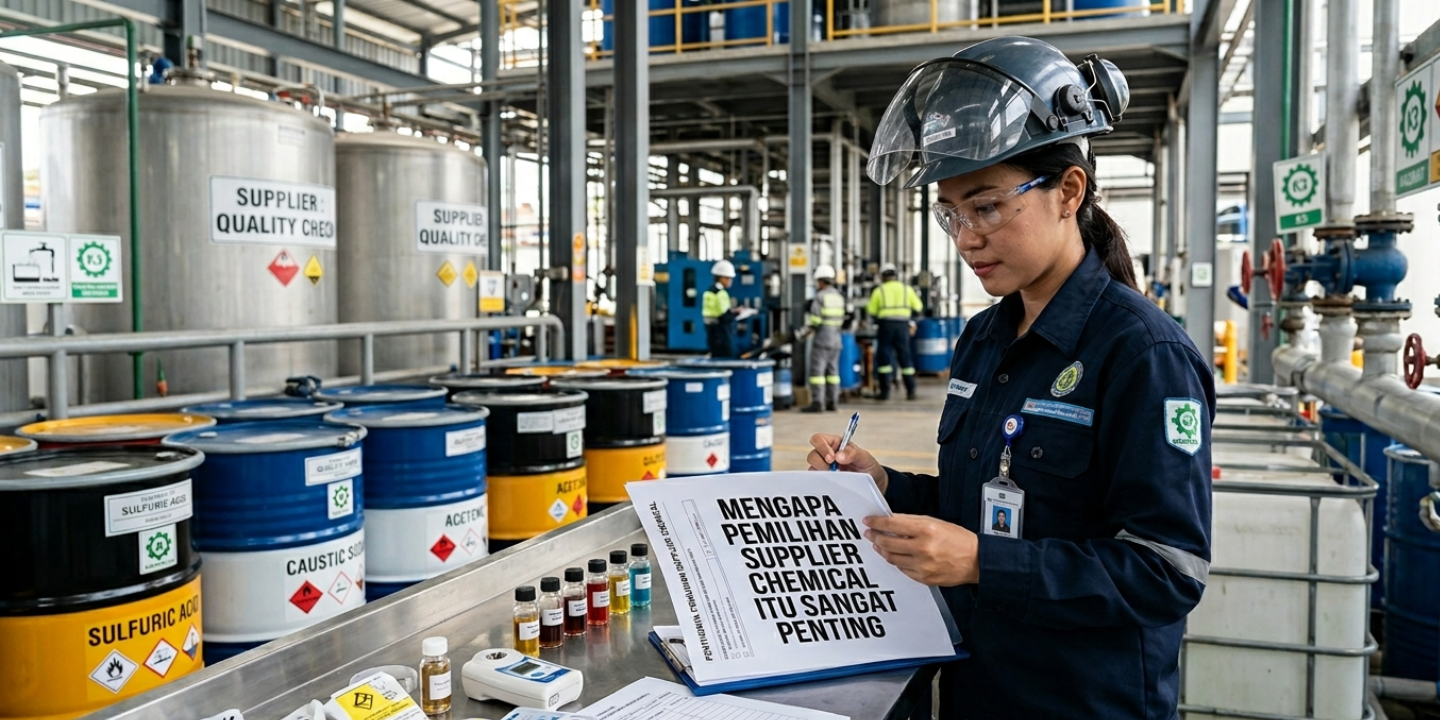
Given the use of chemicals and electric equipment, occupational safety is critical. HR plays a central role in establishing safety protocols, conducting training on proper PPE usage, and performing regular audits. Enforcing compliance with OSHA and environmental standards helps reduce workplace incidents and build a safety-first culture in plating facilities.
Employee Engagement and Workforce Retention
Retaining skilled electroplating workers is as important as hiring them. HR focuses on enhancing employee satisfaction through transparent communication, recognition programs, and career growth pathways. Engaged employees contribute to a more stable and motivated workforce, which directly improves quality and output in the plating process.
Diversity and Inclusion in Industrial Environments
Building inclusive workplaces is becoming a core HR objective in electroplating companies. By implementing mentorship programs, unbiased hiring practices, and cultural sensitivity training, organizations can foster innovation through diverse perspectives. A more inclusive environment also supports team cohesion and employee well-being.
Performance Management and Evaluation
Performance management systems help align individual goals with company targets. HR departments use clear KPIs, performance reviews, and feedback sessions to drive employee accountability and improvement. These efforts lead to better decision-making, increased efficiency, and higher job satisfaction.
HR Technology Integration
Technology is reshaping HR operations in the electroplating industry. Tools like Human Resource Information Systems (HRIS), digital onboarding systems, and LMS (Learning Management Systems) enable faster, data-driven HR processes. Automated tracking of employee metrics and training progress increases accuracy and administrative efficiency.
Strategic Workforce Planning
To remain competitive, companies must anticipate future staffing needs. HR teams are using analytics to identify skill gaps, plan succession, and forecast labor requirements. Strategic planning ensures the workforce is prepared for new production lines, regulatory changes, and scaling operations.
Effective HR management is no longer optional in the electroplating industry—it is a strategic necessity. From recruiting technical talent to ensuring safety and fostering engagement, HR initiatives directly impact a company’s ability to innovate and grow. By embracing digital tools and forward-thinking policies, electroplating businesses can build a resilient, high-performing workforce for the future.
References
- Society for Human Resource Management (SHRM). The Role of HR in Manufacturing. SHRM
- Harvard Business Review. Effective Talent Acquisition Strategies. HBR
- Training Magazine. Employee Training and Development in Technical Industries. TrainingMag
- Occupational Health & Safety. Health and Safety Management in Industrial Settings. OHS Online
- DiversityInc. Diversity and Inclusion Best Practices. DiversityInc
- Forbes. Technological Integration in HR. Forbes
- Gartner. Strategic Workforce Planning. Gartner
Other Articles