Optimal Protection with Alkaline Zinc Plating

Alkaline zinc plating has become a major process in the modern electroplating industry, known for offering strong corrosion protection and high-quality finishes across many types of metal components. Its ability to handle parts with complex shapes while maintaining a uniform zinc coating makes it suitable for various sectors such as automotive, electronics, and construction. As electroplating technology advances, alkaline zinc systems continue to improve in consistency, speed, and surface performance.
What Is Alkaline Zinc Plating
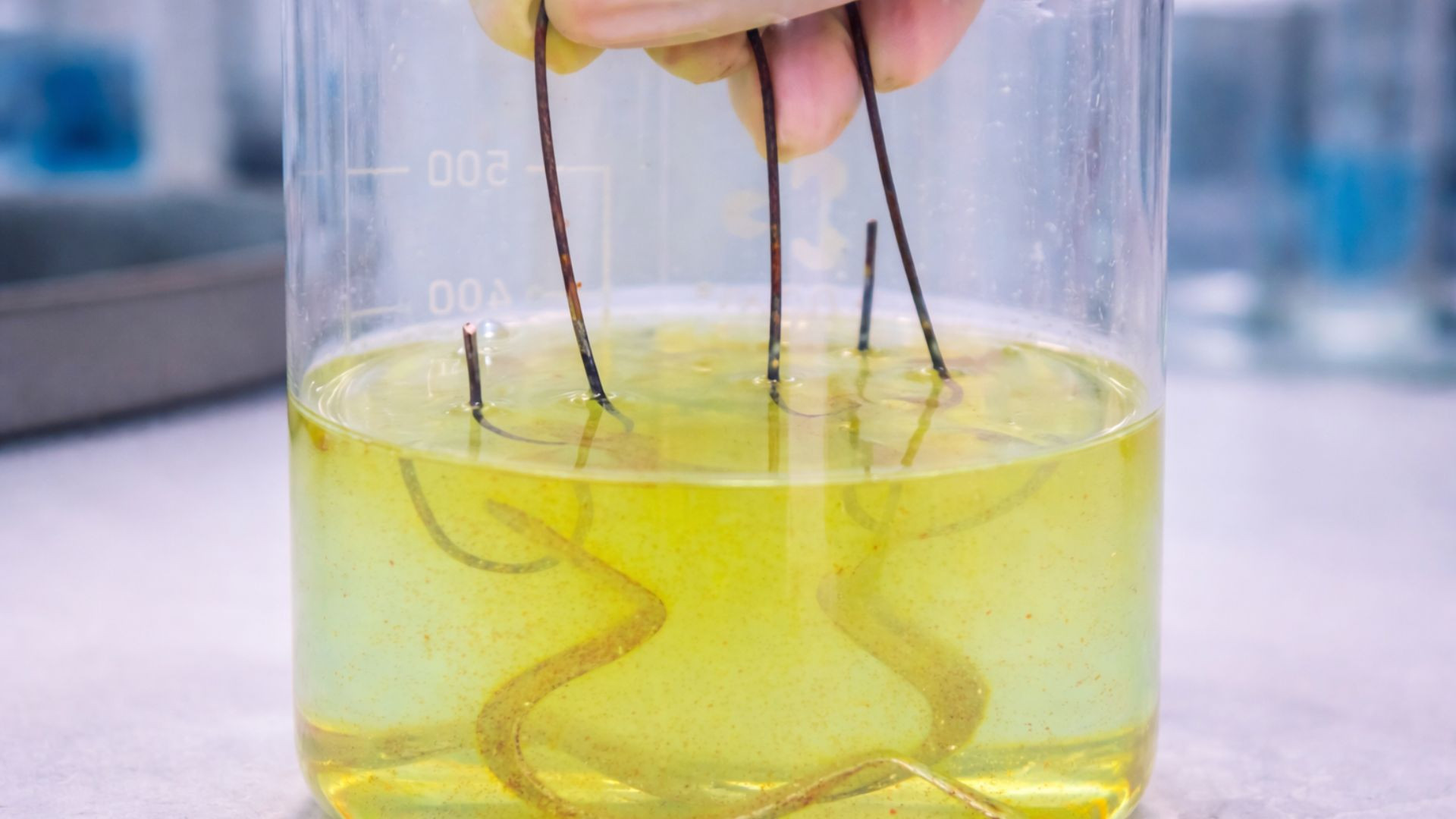
Alkaline zinc plating is an electroplating process that deposits a zinc layer on a metal surface using an alkaline-based electrolyte solution. The solution typically contains sodium or potassium hydroxide, which helps zinc ions move toward the part being coated. Unlike acid zinc plating, this method is more stable and allows better coverage on complicated geometries without damaging the base material. It results in an even finish and excellent zinc adhesion.
Benefits Over Other Methods
Alkaline zinc plating provides better throwing power than many other plating systems. This allows the zinc to reach inside threads, corners, or recessed areas that may be hard to coat with acid zinc. In addition, the alkaline bath reduces the risk of surface brittleness, improving the long-term durability of the coated component. It is especially effective in protecting fasteners, brackets, and tools with uneven surfaces.
Common Uses Across Industries
This process is widely used in industries that require strong surface protection. In automotive manufacturing, alkaline zinc plating protects bolts, clamps, and undercarriage parts. In electronics, it coats connectors and small housings to ensure reliable conductivity. Construction also benefits from zinc-coated framing components that last longer in outdoor environments. The method adapts well to both small and large production volumes.
Main Advantages of This Process
Alkaline zinc systems are known for strong metal-to-zinc adhesion, which prevents peeling or flaking during use. They also produce a bright surface appearance, which can be enhanced with passivation or chromate treatments for added resistance. The process maintains consistent quality over time, even when operating at high production speeds. Its compatibility with a wide range of metal parts adds to its industrial appeal.
New Developments in the Field
Modern improvements in alkaline zinc plating include better additives that enhance brightness and grain structure of the zinc deposit. Control systems now allow real-time adjustments to pH, current density, and solution flow. These changes lead to shorter cycle times and higher plating accuracy. Some innovations also support thicker coatings without compromising surface smoothness or coverage in deep recesses.
Maintaining Consistent Coating Quality
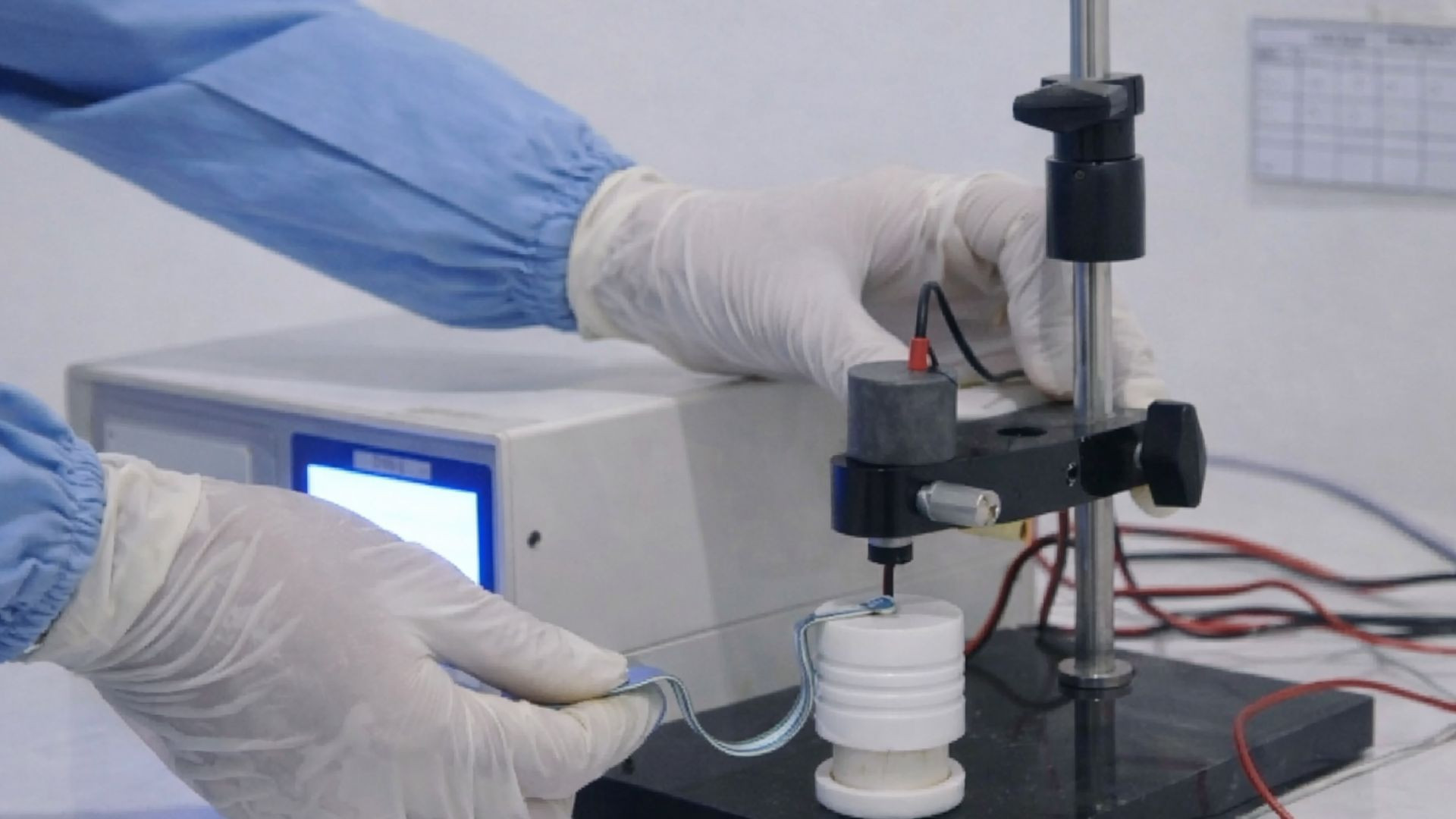
Achieving consistent results in alkaline zinc electroplating requires careful monitoring of solution chemistry and plating conditions. Regular testing for thickness, surface adhesion, and deposit uniformity is essential. Key parameters such as zinc concentration and additive levels must be maintained for stable results. Proper cleaning and surface preparation before plating also help prevent defects or adhesion failures.
Comparison with Acid Zinc Plating
Compared to acid zinc plating, alkaline zinc offers better coating uniformity on irregular or complex parts. While acid zinc is often faster, its coverage in deep areas may be limited. Alkaline systems provide more controlled results, making them better suited for components with threads or non-flat designs. Both methods serve different needs, but alkaline zinc is preferred when coating quality matters most.
Relevance in Modern Manufacturing
Alkaline zinc plating remains essential in today's manufacturing due to its reliability, flexibility, and high-performance results. As industries demand more durable and consistent coatings, this method continues to prove its value in large-scale production environments. With ongoing research and system upgrades, alkaline zinc plating is expected to remain a trusted solution in advanced electroplating operations.
References
- Surface Engineering Journal. (2023). "Advances in Zinc Electroplating Systems."
- Electroplating Insight Magazine. (2022). "Trends in Alkaline Zinc Technology."
- Industrial Coatings Report. (2021). "Zinc Plating Methods Compared."
- Metal Finishing Tech Review. (2020). "Improving Coating Performance with Alkaline Systems."
- Modern Plating Processes Journal. (2019). "Optimizing Bath Control for Zinc Electroplating."
Other Articles